Cats are known for being independent, clean, and good at hiding when something is wrong. This is one reason cat health problems can sometimes go unnoticed for a long time. A cat may continue eating, sleeping, and behaving normally even when a health issue is starting to develop. As a cat owner, knowing the common health problems in cats can help you notice warning signs early and get proper veterinary care when needed.
Some cat health problems are minor and can be treated easily, while others may become serious if they are ignored. Regular veterinary visits, a healthy diet, clean water, exercise, and good hygiene can help protect your cat from many illnesses. In this article, we will discuss 10 common health problems in cats, their symptoms, possible causes, and ways you can help keep your cat healthy.
1. Dental Problems in Cats
Dental disease is one of the most common health problems in cats, especially as they get older. Cats can develop plaque and tartar on their teeth, which may lead to gum inflammation and infections. A condition called periodontal disease can become painful and may affect your cat’s ability to eat comfortably.
Common signs of dental problems include bad breath, red or swollen gums, difficulty chewing, drooling, pawing at the mouth, and reduced appetite. Some cats may also lose weight because eating becomes uncomfortable.
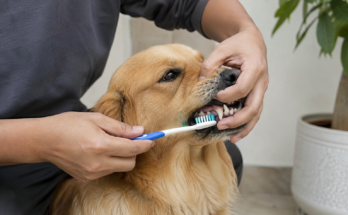
Regular dental care can help prevent many cat dental problems. Brushing your cat’s teeth with toothpaste made specifically for cats is one helpful option. Your veterinarian can also check your cat’s teeth during routine examinations and recommend professional dental cleaning when necessary.
2. Obesity
Cat obesity has become a common concern because many indoor cats have limited physical activity. Eating too many calories and getting too little exercise can cause a cat to gain excess weight.
Being overweight can increase the risk of several other health problems, including diabetes, joint problems, heart issues, and breathing difficulties. You may notice that an overweight cat has trouble jumping, playing, or grooming certain parts of its body.
To help your cat maintain a healthy weight, provide balanced cat food in appropriate portions. Avoid giving too many treats and encourage daily play. Toys, climbing trees, scratching posts, and interactive games can help your cat stay active.
If you think your cat is overweight, talk to your veterinarian before making major changes to its diet. A veterinarian can help determine a healthy weight and create a safe weight management plan.
3. Fleas and Other Parasites
Fleas are common parasites that can cause significant discomfort for cats. A cat with fleas may scratch frequently, lick its body more than usual, or develop small irritated areas on the skin. Some cats can also develop an allergic reaction to flea bites.
Other parasites, such as intestinal worms, can also affect cats. Worm infections may cause diarrhea, vomiting, weight loss, a swollen abdomen, or changes in appetite.
Regular parasite prevention is an important part of cat health care. Your veterinarian can recommend safe flea and parasite treatments based on your cat’s age, lifestyle, and overall health. Never use a parasite product intended for dogs on a cat unless a veterinarian specifically confirms that it is safe.
4. Urinary Tract Problems
Urinary tract problems are another common concern in cats. Some cats may develop bladder inflammation, urinary crystals, stones, or other urinary conditions. Male cats can be particularly vulnerable to dangerous urinary blockages.
Signs of urinary problems may include frequent trips to the litter box, straining to urinate, crying while urinating, blood in the urine, or urinating outside the litter box.
A complete inability to urinate is an emergency, especially in male cats. If your cat repeatedly tries to urinate but produces little or no urine, contact a veterinarian immediately.
Providing fresh water and keeping the litter box clean can encourage healthy bathroom habits. Some cats may also benefit from increased moisture in their diet, but dietary changes should be discussed with a veterinarian.
5. Vomiting and Digestive Problems
Occasional vomiting can happen in cats, particularly when they swallow hair while grooming. However, frequent vomiting should not be considered normal. It can sometimes indicate digestive problems, food intolerance, parasites, infections, or other medical conditions.
Other digestive symptoms may include diarrhea, constipation, loss of appetite, abdominal discomfort, and weight loss.
If your cat vomits repeatedly, has severe diarrhea, refuses food, becomes weak, or shows other unusual symptoms, veterinary advice is important. Cats can become dehydrated quickly when they lose too much fluid.
Feeding a balanced diet and avoiding sudden changes in food can support better digestive health. Always introduce new food gradually rather than changing your cat’s diet suddenly.
6. Skin Allergies and Infections
Cats can experience different types of skin problems. Allergies, parasites, infections, and environmental factors can all cause irritation. A cat with a skin condition may scratch, lick, bite, or rub certain areas of its body.
You may also notice hair loss, redness, scabs, dry skin, or small bumps. Excessive grooming can sometimes be a sign that your cat is experiencing discomfort.
Finding the exact cause is important because different skin problems require different treatments. Your veterinarian may examine the skin and perform tests if necessary.
Keeping your cat’s living area clean and using appropriate parasite prevention can help reduce some common causes of skin irritation.
7. Respiratory Infections
Cats can develop respiratory infections that affect the nose, throat, and airways. These infections may be caused by viruses or bacteria and can spread between cats.
Common symptoms include sneezing, nasal discharge, watery eyes, coughing, congestion, and reduced appetite. Some cats may become tired or less interested in normal activities.
Cats with breathing difficulties need prompt veterinary attention. Difficulty breathing should never be ignored.
Vaccination can help protect cats from several serious infectious diseases. Keeping sick cats separated from healthy cats can also reduce the spread of infection in homes with multiple pets.
8. Diabetes
Diabetes can occur when a cat’s body cannot properly control blood sugar levels. It is more common in overweight and older cats, although other factors can also contribute to the condition.
Common signs of diabetes in cats include increased thirst, frequent urination, increased hunger, and unexplained weight loss. Some cats may also become weak or develop changes in their walking.
Early diagnosis and treatment can make diabetes easier to manage. Treatment may involve dietary changes, weight management, medication, or insulin depending on the cat’s condition.
Maintaining a healthy weight and providing an appropriate diet can help reduce some risk factors associated with feline diabetes.
9. Kidney Disease
Kidney disease is especially common in older cats. The kidneys help remove waste from the body and maintain proper fluid balance. When kidney function becomes reduced, waste products can build up in the bloodstream.
Early signs may be difficult to notice. A cat may begin drinking more water and urinating more often. Later signs can include weight loss, vomiting, poor appetite, weakness, and bad breath.
Regular veterinary examinations are important for older cats because blood and urine tests can help detect kidney problems. While chronic kidney disease cannot always be cured, proper veterinary management may help improve comfort and quality of life.
Fresh water should always be available. Your veterinarian may also recommend a specific diet depending on your cat’s condition.
10. Arthritis and Joint Problems
Arthritis is another common health problem in older cats. Because cats often hide pain, arthritis can be difficult for owners to recognize.
Instead of clearly showing pain, a cat may simply become less active. You might notice that your cat no longer jumps onto furniture as easily, avoids stairs, sleeps more, or has difficulty getting into the litter box.
Providing comfortable bedding and making food, water, and litter boxes easy to reach can make daily life easier for a cat with joint problems. Your veterinarian can also recommend safe treatments and lifestyle changes.
Never give human pain medicine to your cat unless a veterinarian specifically tells you to do so. Some human medications can be extremely dangerous for cats.
How to Keep Your Cat Healthy
Preventing common cat health problems starts with basic daily care. Feed your cat a balanced diet that is appropriate for its age and lifestyle. Always provide clean drinking water and keep the litter box clean.
Daily play is also important, especially for indoor cats. Interactive toys can provide both physical exercise and mental stimulation. Regular grooming can help you notice skin changes, lumps, wounds, parasites, or unusual hair loss.
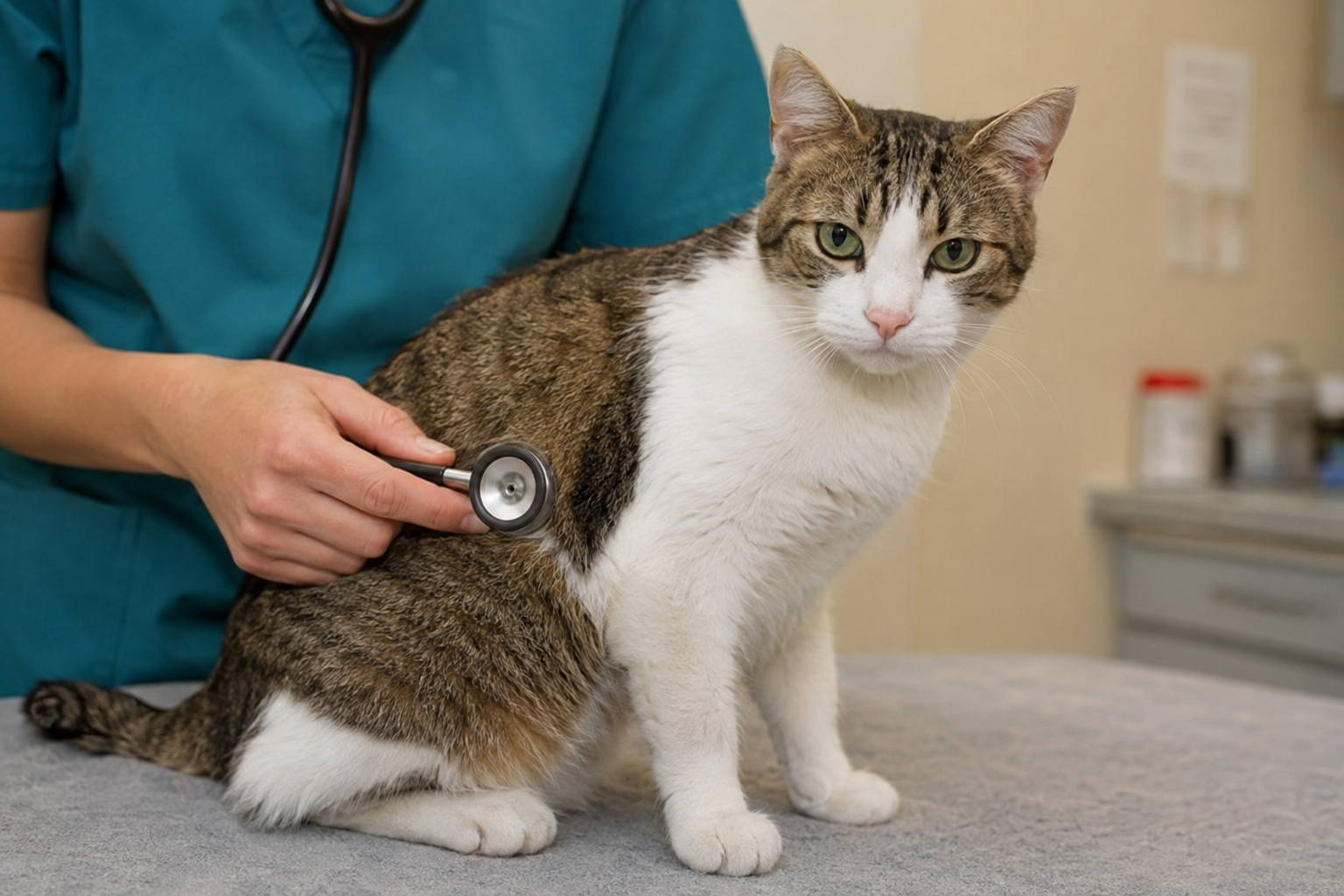
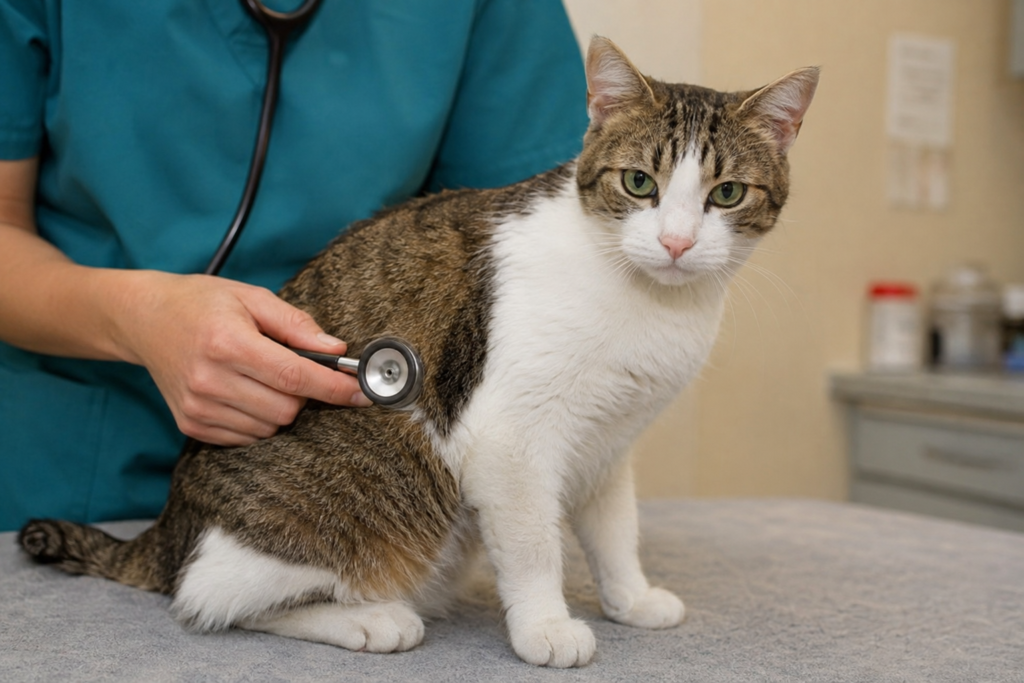
Routine veterinary checkups are equally important. Cats can hide signs of illness, so a professional examination may detect problems before they become severe. Vaccinations and parasite prevention should also be kept up to date according to your veterinarian’s recommendations.
When Should You Take Your Cat to the Vet?
Knowing when to seek veterinary help can make a major difference in your cat’s health. Contact a veterinarian if your cat suddenly stops eating, repeatedly vomits, has persistent diarrhea, loses weight without explanation, drinks much more water, has difficulty breathing, or behaves unusually.
You should also take urinary problems seriously. If your cat is straining to urinate or cannot urinate, seek emergency veterinary care immediately.
Any sudden or significant change in your cat’s normal behavior deserves attention. You know your cat’s usual habits better than anyone, so changes that seem unusual should not be ignored.
Final Thoughts
Understanding the most common health problems in cats can help you become a more responsible and prepared pet owner. Dental disease, obesity, parasites, urinary problems, digestive issues, skin conditions, respiratory infections, diabetes, kidney disease, and arthritis are all conditions that cats may experience during their lives.
The good news is that many cat health problems can be managed successfully when they are identified early. A healthy diet, regular exercise, good hygiene, parasite prevention, vaccinations, and routine veterinary care can support your cat’s overall health.
Most importantly, pay attention to changes in your cat’s behavior, appetite, drinking habits, litter box use, and activity level. Early action can sometimes prevent a small problem from becoming a serious one. With proper care and regular veterinary support, you can help your cat live a healthier, happier, and more comfortable life.