Fleas and ticks are common problems for pets, especially during warm weather. These tiny pests can cause more than simple itching. Fleas may lead to skin irritation, hair loss, and allergic reactions, while ticks can carry diseases that may make pets seriously sick. The good news is that regular care and simple prevention steps can help protect your dog or cat from fleas and ticks.
Knowing how to prevent fleas and ticks is an important part of responsible pet care. A good prevention routine can keep your pet comfortable, protect your home, and reduce the risk of pest related health problems. In this guide, we will look at simple and practical ways to protect pets from fleas and ticks throughout the year.
Why Fleas and Ticks Are a Problem for Pets
Fleas are small insects that survive by feeding on the blood of animals. They can move quickly through your pet’s fur and may be difficult to notice at first. Even a small number of fleas can cause intense itching. Some pets are also allergic to flea saliva, which can lead to red skin, excessive scratching, and small sores.
Ticks are different from fleas because they attach themselves to the skin and feed for an extended period. A tick can sometimes remain attached without being noticed, especially when it is hidden under thick fur. Ticks can transmit diseases to pets, making tick prevention an important part of everyday pet health.
Both fleas and ticks can also enter your home. Fleas can lay eggs in carpets, bedding, furniture, and other areas where your pet spends time. This means treating the pet alone may not always solve a flea problem.
Check Your Pet Regularly
One of the easiest ways to protect pets from fleas and ticks is to check them regularly. Take a few minutes to look through your pet’s fur after outdoor activities. Pay close attention to areas where pests may hide.
For dogs, check around the ears, neck, legs, paws, and between the toes. For cats, look around the neck, ears, face, and other areas that may be difficult for them to groom. Run your fingers gently through the fur and look for small dark insects, flea dirt, or attached ticks.
Regular checks are especially important after your pet has spent time in grassy areas, parks, gardens, or places where other animals are present.
Use Flea and Tick Prevention
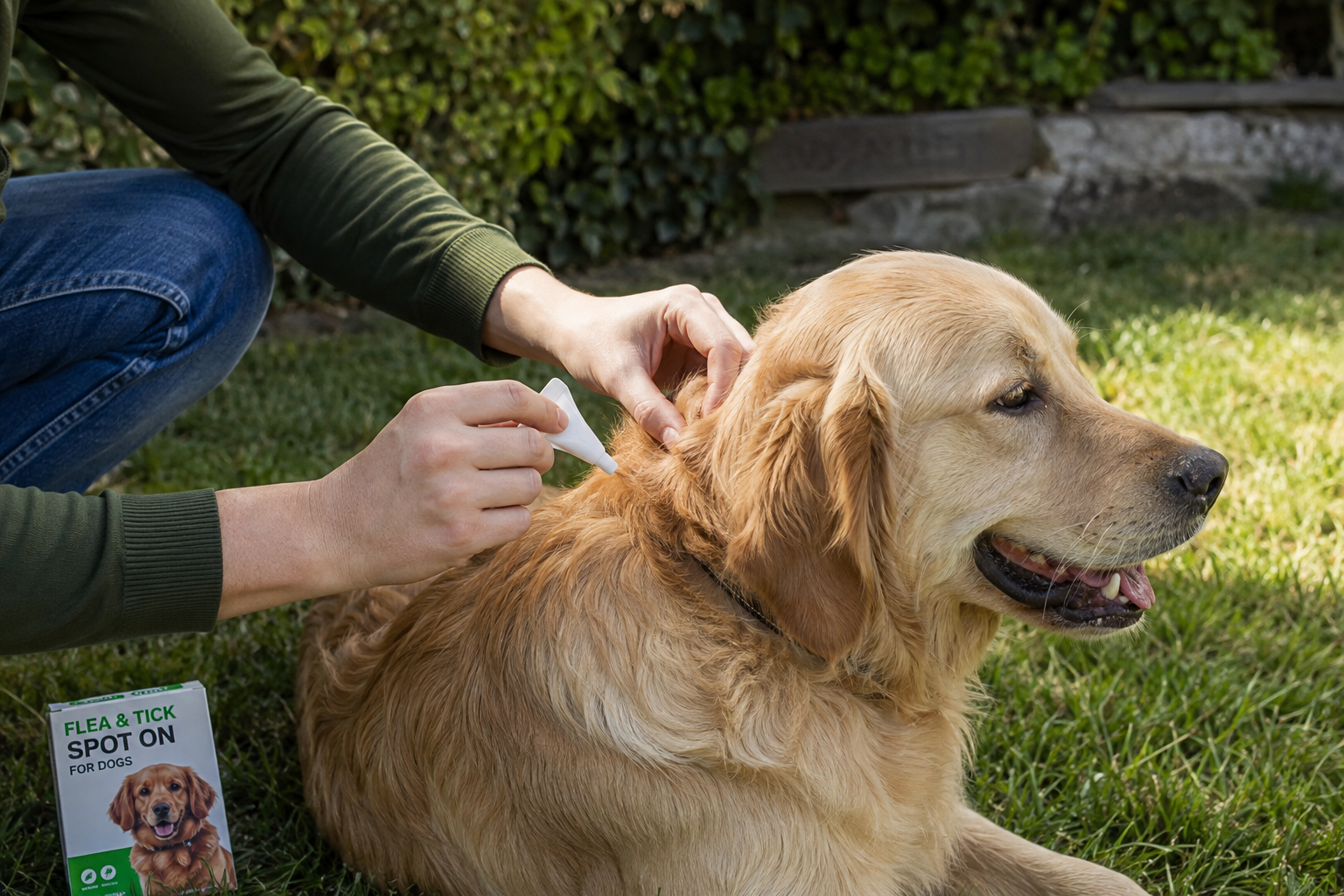
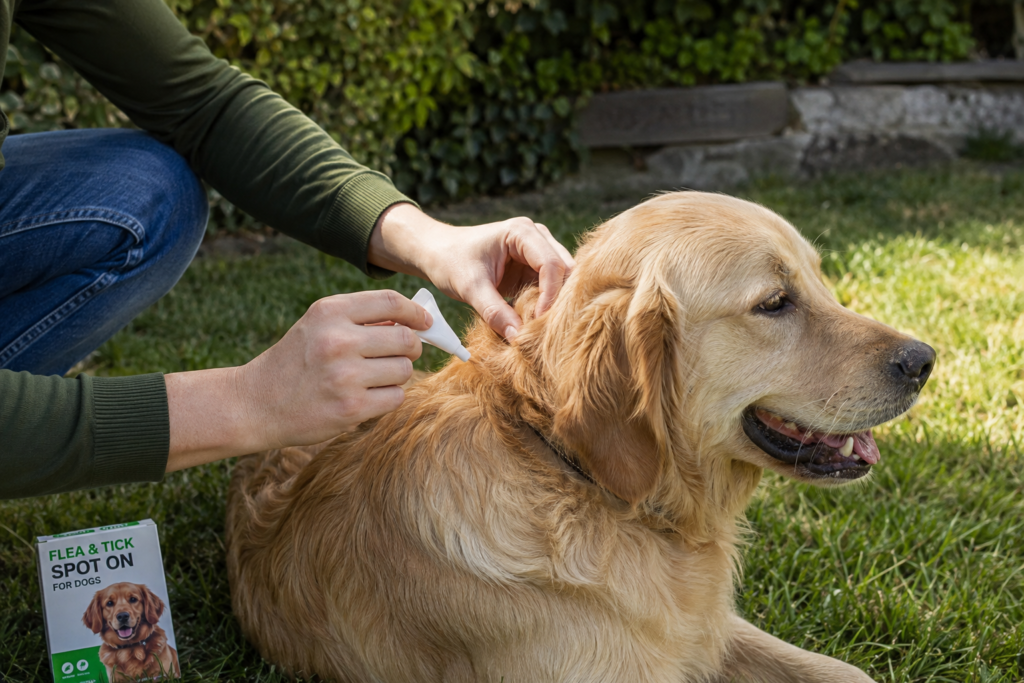
One of the most effective ways to protect pets from fleas and ticks is to use a suitable preventive treatment. There are different types of flea and tick products available, including topical treatments, oral medications, sprays, shampoos, and collars.
The right product depends on your pet’s age, size, species, lifestyle, and health needs. Always choose a product specifically made for your type of pet. Never use a dog flea treatment on a cat unless a veterinarian has confirmed that it is safe.
Follow the product instructions carefully. Using too much or applying a product incorrectly can be harmful. If you are unsure which flea and tick prevention product is appropriate, speak with your veterinarian.
Keep Your Home Clean
Keeping your home clean can make it harder for fleas to survive. Flea eggs and immature fleas can develop in carpets, rugs, furniture, and pet bedding. Regular cleaning is therefore an important part of flea prevention.
Vacuum carpets, floors, furniture, and areas where your pet sleeps. Pay special attention to corners and hidden spaces. Empty the vacuum cleaner according to its instructions so fleas and eggs do not remain inside.
Wash your pet’s bedding regularly using an appropriate washing cycle. If your pet spends a lot of time on blankets or cushions, clean those items regularly as well.
A clean home will not replace proper flea prevention, but it can help reduce the number of pests and support your overall flea control routine.
Keep Your Yard Maintained
Outdoor areas can provide places where fleas and ticks survive. Keeping your yard tidy can reduce some of the areas where these pests may hide.
Keep grass trimmed and remove piles of leaves, weeds, and other garden debris. Avoid allowing your pet to spend unnecessary time in areas with heavy vegetation. If your pet regularly explores wooded or grassy locations, check for ticks when they return indoors.
You should also avoid creating conditions that attract wildlife close to your home. Wild animals can sometimes carry fleas and ticks and may bring these pests into areas where your pets spend time.
Groom Your Pet Regularly
Regular grooming is another useful way to protect pets from fleas and ticks. Brushing your pet’s coat allows you to inspect the skin and fur while removing loose hair and dirt.
A flea comb can be especially helpful if you are concerned about fleas. Its fine teeth can catch fleas and flea dirt from the coat. Comb slowly and carefully, particularly around areas where fleas commonly hide.
Bathing can also help remove dirt and some pests from your pet’s coat. However, regular bathing alone is not enough to prevent flea and tick infestations. It should be combined with an appropriate prevention plan.
Know the Signs of Fleas
Learning the common signs of fleas can help you act early. Excessive scratching is one of the most noticeable signs. Your pet may also bite or lick its skin more than usual.
Other signs can include red or irritated skin, small scabs, hair loss, restlessness, and frequent grooming. You may also notice tiny black particles in the fur. These particles are sometimes called flea dirt and may look like small grains of pepper.
If you suspect your pet has fleas, inspect the coat carefully and contact your veterinarian if you need help choosing a safe treatment.
Know the Signs of Ticks
Ticks can sometimes be easier to feel than see. When checking your pet, gently run your hands over the skin and look for small bumps. An attached tick may feel like a tiny lump.
Check areas around the ears, neck, paws, between the toes, and under the legs. Dogs that spend time outdoors should receive a thorough tick check after returning home.
If you find a tick attached to your pet, remove it carefully using an appropriate tick removal tool. Avoid crushing the tick with your fingers. If you are uncomfortable removing it yourself or if the tick is located in a difficult area, contact a veterinarian.
Protect Pets All Year
Many pet owners think fleas and ticks are only a warm weather problem. While these pests may be more active during certain seasons, they can sometimes survive in different environments throughout the year.
For this reason, consistent prevention is often better than waiting until you see fleas or ticks. Ask your veterinarian about a prevention schedule that fits your pet and your local environment.
Your pet’s lifestyle also matters. A dog that spends a lot of time hiking may have a different risk level from an indoor cat. Even pets that rarely go outside can sometimes be exposed to pests brought inside by people, other animals, or outdoor objects.
Treat a Flea Infestation Quickly
If your pet already has fleas, acting quickly is important. Treating only the animal may not be enough because flea eggs and immature stages can be present in the home.
Your veterinarian can recommend an appropriate treatment for your pet. At the same time, clean areas where your pet spends time and wash bedding regularly. Vacuuming can also help remove flea eggs and other stages from the environment.
Do not combine several flea treatments without professional advice. Some products contain similar active ingredients, and using multiple products incorrectly can put your pet at risk.
Be Careful With Home Remedies
Many natural flea and tick remedies are promoted online, but natural does not always mean safe. Certain essential oils and household substances can be dangerous to pets, particularly cats.
Before using any homemade treatment, spray, oil, or supplement, check with your veterinarian. It is better to use a proven product correctly than to risk your pet’s health with an untested remedy.
Help Prevent Fleas and Ticks With Good Pet Care
Flea and tick prevention works best when it becomes part of your normal pet care routine. Check your pet regularly, use a veterinarian recommended preventive treatment, groom your pet, keep bedding clean, and maintain outdoor areas.
You should also watch for changes in your pet’s behavior or skin. Early detection can make flea and tick problems much easier to manage.
Final Thoughts
Protecting pets from fleas and ticks does not have to be difficult. A simple routine can make a major difference in your pet’s comfort and health. Regular inspections, effective flea and tick prevention, good grooming, home cleaning, and proper outdoor care can help reduce the risk of infestations.
Remember that every pet is different. Age, size, species, lifestyle, and health can all affect which prevention method is suitable. When you are unsure about the best flea and tick treatment for your pet, talk to a veterinarian.
With consistent prevention and regular care, you can help keep your pet comfortable, active, and protected from the problems caused by fleas and ticks.