Dogs are loving, active, and loyal animals that quickly become an important part of the family. As a dog owner, you want your pet to stay healthy and happy for as long as possible. However, dogs can develop different health problems during their lives. Some problems are minor and can be treated easily, while others may need quick veterinary care.
Knowing the common health problems in dogs can help you notice changes early. When you understand the warning signs, you can take better care of your dog and contact a veterinarian when necessary. Regular checkups, healthy food, exercise, grooming, and proper vaccinations can also help prevent many problems.
In this article, we will discuss 10 common health problems in dogs, their common signs, possible causes, and simple ways to support your dog’s health.
1. Ear Infections
Ear infections are one of the common health problems in dogs. They can affect dogs of all ages, but dogs with long or floppy ears may be more likely to develop them. Moisture, allergies, bacteria, yeast, and dirt can contribute to ear problems.
A dog with an ear infection may shake its head often or scratch the ears. You may also notice redness, swelling, an unpleasant smell, or unusual discharge. Some dogs may become sensitive when you touch their ears.
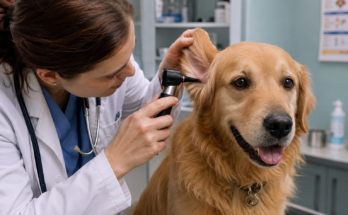
Keeping your dog’s ears clean and dry can help reduce the risk of infections. However, avoid putting random cleaning products or home remedies inside the ear. If your dog has repeated ear infections or appears to be in pain, a veterinarian should examine the ears and recommend suitable treatment.
2. Skin Allergies
Skin allergies are another common problem in dogs. Allergies can be caused by fleas, food ingredients, pollen, dust, grass, or other environmental factors. Some dogs may develop allergies at certain times of the year, while others may have problems throughout the year.
Common signs include constant scratching, licking, biting the skin, redness, hair loss, and small bumps. Dogs with allergies may also develop irritated areas around their paws, ears, face, or belly.
The most important step is finding the possible cause. Flea control is especially important because even a small number of fleas can cause serious itching in sensitive dogs. A veterinarian can help determine whether the problem is related to parasites, food, or environmental allergies.
3. Dental Disease
Many dog owners do not realize how important dental care is for their pets. Dental disease is extremely common, especially in adult and older dogs. Plaque can build up on the teeth and eventually turn into hard tartar.
Bad breath is often one of the first signs of a dental problem. Other signs can include yellow or brown teeth, red gums, difficulty chewing, dropping food, excessive drooling, and reduced interest in food.
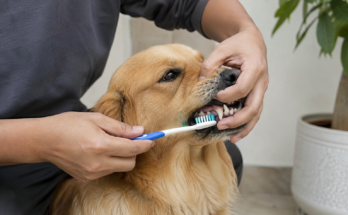
Regular dental care can help protect your dog’s teeth and gums. Brushing your dog’s teeth with products made specifically for dogs is one useful option. Regular veterinary dental examinations can also help identify problems before they become more serious.
4. Obesity
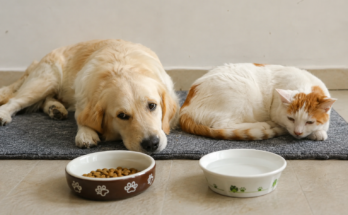
Dog obesity has become a common health concern. A dog can gain weight when it eats more calories than it uses. Too many treats, large food portions, lack of exercise, and certain medical conditions can contribute to weight gain.
An overweight dog may have difficulty walking, running, or climbing stairs. It may also become tired quickly during normal activities. Extra weight can put additional pressure on the joints and may increase the risk of other health problems.
If you think your dog is overweight, speak with a veterinarian before making major changes to its diet. Your veterinarian can help determine an appropriate weight and feeding plan. Measuring food portions and providing regular exercise can support healthy weight management.
5. Fleas and Ticks
Fleas and ticks are common parasites that can cause discomfort and health problems in dogs. Fleas can cause intense itching and skin irritation. Some dogs can develop flea allergy dermatitis, which can make the skin extremely itchy.
Ticks can also be concerning because they may carry diseases. A dog that spends time outside may have a higher chance of coming into contact with ticks.
Check your dog’s coat regularly, especially after outdoor activities. Ask your veterinarian about safe flea and tick prevention. Never use a product on your dog without checking whether it is appropriate for your dog’s species, age, size, and health condition.
6. Digestive Problems
Dogs can experience digestive problems for many different reasons. Eating spoiled food, changing food too quickly, eating something unusual, infections, parasites, and other health conditions can cause stomach problems.
Vomiting and diarrhea are common signs. Some dogs may also lose their appetite, become less active, or show signs of abdominal discomfort.
A mild stomach problem may sometimes improve with appropriate care, but repeated vomiting, severe diarrhea, blood in vomit or stool, weakness, or signs of dehydration require veterinary attention. Puppies and older dogs may become dehydrated more quickly, so they need special care when digestive symptoms occur.
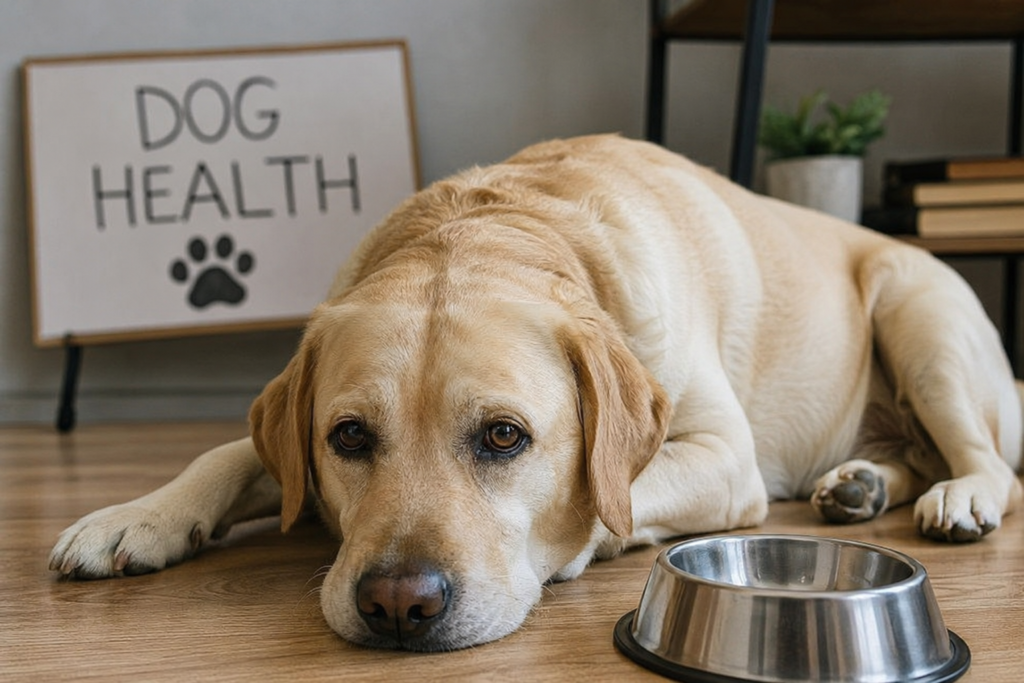
7. Arthritis and Joint Problems
Joint problems become more common as dogs get older, although younger dogs can also experience them. Arthritis can cause pain, stiffness, and difficulty moving.
You may notice that your dog is slower when getting up after resting. It may avoid stairs, stop jumping onto furniture, or become less interested in playing. Some dogs may also limp or become uncomfortable when touched around a painful joint.
Maintaining a healthy weight is one of the best ways to reduce unnecessary pressure on the joints. Regular gentle exercise can also support mobility. If your dog shows signs of pain or stiffness, a veterinarian can evaluate the joints and discuss appropriate treatment options.
8. Urinary Tract Problems
Urinary problems can affect dogs of different ages. Urinary tract infections, bladder stones, and other conditions can cause changes in normal urination.
Signs may include urinating more often, having accidents indoors, straining to urinate, licking the genital area, or producing small amounts of urine. Some dogs may also show discomfort while urinating.
A change in your dog’s normal bathroom habits should not be ignored. If your dog is repeatedly trying to urinate but cannot produce urine, this can be an emergency and requires immediate veterinary care.
Providing fresh drinking water and allowing your dog regular opportunities to urinate can support urinary health. However, persistent urinary symptoms need professional evaluation.
9. Heart Problems
Heart disease can occur in dogs, particularly as they become older. Some breeds may also have a higher risk of certain heart conditions.
Possible signs include coughing, difficulty breathing, weakness, reduced stamina, fainting, or unusual tiredness. A dog with heart disease may not be able to exercise as much as it once did.
Sometimes there are no obvious signs during the early stages. This is why regular veterinary checkups are important. A veterinarian can listen to your dog’s heart and recommend additional tests when needed.
Early detection can help manage many heart conditions and may improve your dog’s quality of life.
10. Parasites and Worms
Internal parasites are another common health problem in dogs. Worms such as roundworms, hookworms, whipworms, and tapeworms can affect dogs. Puppies may be particularly vulnerable to certain intestinal parasites.
Signs can vary depending on the type and severity of the infection. Some dogs may have diarrhea, weight loss, a swollen belly, vomiting, poor coat condition, or reduced energy. In some cases, there may be visible worms or worm segments in the stool.
Regular veterinary checkups and appropriate parasite prevention can help protect your dog. Puppies often need specific deworming schedules, so it is important to follow veterinary advice.
How to Keep Your Dog Healthy
Preventing every health problem is not always possible, but good daily care can make a major difference. Give your dog a balanced diet that is suitable for its age, size, and activity level. Make sure fresh water is always available.
Regular exercise is also important. The right amount of activity depends on your dog’s breed, age, size, and health. Daily walks and playtime can support healthy muscles, joints, weight, and mental well being.
Grooming should also be part of your dog’s routine. Brush the coat regularly, check the ears, trim the nails when needed, and keep an eye on the skin. These simple habits can help you notice changes early.
Vaccinations and parasite prevention are also important parts of responsible dog care. Your veterinarian can recommend a prevention schedule based on your dog’s lifestyle and individual needs.
When Should You Take Your Dog to the Veterinarian?
Knowing when to seek professional help is an important part of keeping your dog healthy. Contact a veterinarian if your dog develops unusual symptoms that do not improve or if you notice a significant change in behavior.
Emergency signs may include difficulty breathing, collapse, severe bleeding, seizures, inability to urinate, severe pain, repeated vomiting, or extreme weakness. In these situations, prompt veterinary attention is important.
It is also a good idea to schedule regular veterinary checkups even when your dog appears healthy. Routine examinations can sometimes identify health problems before obvious symptoms develop.
Final Thoughts
Common health problems in dogs can range from simple skin irritation to serious conditions affecting the heart, joints, digestive system, or urinary system. The good news is that responsible care can help prevent or manage many problems.
Pay attention to your dog’s normal behavior, appetite, activity level, bathroom habits, skin, ears, teeth, and weight. When something changes, do not ignore it. Early attention can often make treatment easier and help your dog stay comfortable.
A healthy diet, regular exercise, good grooming, parasite prevention, vaccinations, dental care, and routine veterinary visits are all important parts of responsible dog ownership. Most importantly, learn your dog’s normal habits. You know your pet better than anyone, and noticing a small change early can sometimes make a big difference to your dog’s health and happiness.