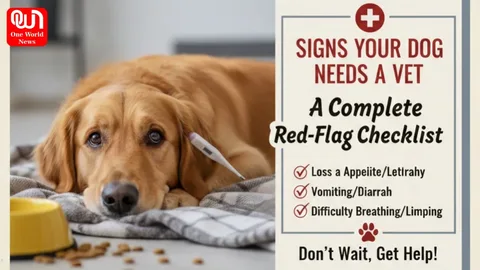
Pets are more than animals living in our homes. They are companions, trusted friends, and important members of our families. Whether you own a playful dog, a curious cat, or another beloved animal, keeping your pet healthy is one of your most important responsibilities.
Unfortunately, pets cannot explain when they feel pain, experience discomfort, or become seriously ill. Instead, they communicate through changes in their behavior, appetite, energy levels, breathing, and daily habits. Sometimes these changes are subtle. Other times, the symptoms appear suddenly and require immediate medical attention.
One of the biggest mistakes pet owners make is assuming that an unusual symptom will disappear on its own. While some minor problems resolve without treatment, others can quickly become life-threatening if veterinary care is delayed.
Recognizing the warning signs that your pet needs a veterinarian can help you act early, prevent complications, and potentially save your pet’s life.
In this article, we will explore 15 important warning signs that should never be ignored, explain which symptoms require emergency treatment, and share practical ways to protect your pet’s health.
1. Difficulty Breathing or Unusual Breathing Patterns
<AsyncImage query=”veterinarian examining dog breathing in veterinary clinic close up” aspectRatio=”16:9″ width=”100%” />
Difficulty breathing is one of the most serious warning signs in pets. If your dog or cat struggles to breathe, breathes with unusual effort, or suddenly develops noisy breathing, it may be experiencing a medical emergency.
Normal breathing should generally be comfortable and relatively effortless when your pet is resting. Although dogs may pant after exercise or during hot weather, persistent or excessive panting at rest can indicate a problem. Cats, in particular, should not be assumed to be panting normally when they are resting.

Warning signs of breathing problems
Watch for:
- Rapid breathing while resting.
- Heavy breathing that does not settle.
- Open-mouth breathing in cats.
- Strong abdominal movements with each breath.
- Noisy, wheezing, or labored breathing.
- Blue, gray, or unusually pale gums.
- Stretching the neck to breathe.
- Weakness or collapse.
Breathing difficulties may be caused by heart disease, lung disease, airway obstruction, severe allergic reactions, heatstroke, or other serious conditions.
What should you do?
Seek emergency veterinary care immediately if your pet is struggling to breathe. Keep your pet as calm as possible, minimize unnecessary handling, and contact the clinic while arranging transport.
Do not wait for the symptoms to improve on their own. Breathing problems can worsen rapidly, and prompt treatment may be critical.
2. Repeated Vomiting or Severe Diarrhea
Occasional digestive upset can occur in pets, but repeated vomiting or severe diarrhea may indicate a serious health problem.
Vomiting means forcefully bringing stomach contents up through the mouth. Diarrhea involves loose or watery stools that may occur more frequently than usual.
Both can result from dietary changes, intestinal parasites, infections, food intolerance, poisoning, or underlying diseases.
When is vomiting dangerous?
Seek veterinary advice promptly if your pet:
- Vomits repeatedly.
- Cannot keep water down.
- Has blood in its vomit.
- Has severe or persistent diarrhea.
- Passes bloody or black, tar-like stools.
- Appears weak, painful, or unusually tired.
- Has a swollen abdomen or repeated unproductive retching.
Puppies, kittens, elderly pets, and animals with existing medical conditions may deteriorate more quickly because of dehydration or other complications.
Repeated vomiting with a swollen abdomen and unsuccessful attempts to vomit may indicate gastric dilatation-volvulus, commonly called bloat, in dogs. This is an emergency.
How can you help?
Contact your veterinarian for advice rather than immediately trying home remedies. Do not give human anti-diarrhea medicines or painkillers unless a veterinarian specifically instructs you to do so.
If you suspect poisoning or that your pet has swallowed a foreign object, seek urgent care even if vomiting has not started.
3. Sudden Loss of Appetite or Refusal to Eat
A sudden change in appetite can be an early indication that something is wrong.
Pets may occasionally skip a meal because of stress, environmental changes, or unfamiliar food. However, persistent refusal to eat may indicate dental pain, nausea, infection, digestive disease, kidney problems, or another medical condition.
Why appetite loss matters
Animals depend on adequate nutrition to maintain energy, support their immune systems, and repair body tissues. Prolonged refusal to eat can worsen an existing illness.
Cats are particularly vulnerable to complications associated with prolonged inadequate food intake, especially overweight cats. A cat that stops eating should not be left without veterinary advice while an owner waits for it to become hungry.
Puppies, kittens, very small animals, and pets with chronic illnesses may also need prompt attention.
Warning signs to watch for
- Refusing several meals.
- Eating significantly less than usual.
- Dropping food while attempting to eat.
- Chewing on one side of the mouth.
- Vomiting alongside appetite loss.
- Weight loss.
- Hiding or becoming unusually withdrawn.
If your pet suddenly refuses food and appears weak, vomits repeatedly, or shows signs of pain, seek prompt veterinary care. If a cat stops eating, contact your veterinarian early rather than waiting several days.
4. Excessive Thirst or Frequent Urination
Changes in drinking and urination can provide important clues about your pet’s health.
If your dog or cat suddenly drinks much more water than usual or begins urinating more frequently, it may be experiencing a medical problem.
Possible causes include diabetes mellitus, kidney disease, certain hormonal disorders, urinary tract problems, or medication effects.
Signs that deserve attention
Look for:
- Emptying the water bowl much faster than usual.
- Urinating more frequently.
- Having accidents indoors despite previous house training.
- Producing unusually large amounts of urine.
- Losing weight despite eating normally.
- Becoming unusually tired.
A pet that repeatedly tries to urinate but produces little or no urine may have a urinary obstruction. This is especially dangerous in male cats and requires emergency veterinary treatment.
Do not restrict your pet’s water to reduce urination unless a veterinarian specifically instructs you to do so. Instead, record the changes and arrange an examination.
5. Unusual Lumps, Swelling, or Bumps
Finding a new lump on your pet can be worrying. Some lumps are harmless, while others may be caused by infection, inflammation, cysts, or cancer.
Unfortunately, it is not possible to determine whether a lump is dangerous simply by looking at it or touching it.
When should a lump be examined?
Arrange a veterinary appointment if you notice:
- A new lump under the skin.
- A lump that grows or changes shape.
- Swelling that is painful or warm.
- A wound or lump that does not heal.
- Bleeding or discharge from a growth.
- Enlarged lymph nodes.
- Swelling around the abdomen or face.
A veterinarian may recommend a fine-needle sample, biopsy, blood tests, or imaging to identify the cause.
Do not squeeze, cut, or apply unapproved products to a lump. If the swelling develops suddenly with difficulty breathing or facial swelling, seek emergency care because a severe allergic reaction may be occurring.
Early evaluation is especially important for lumps that are growing or changing.
6. Extreme Tiredness, Weakness, or Collapse
Most pets have predictable energy levels. A normally playful dog may enjoy walks, while a healthy cat may explore, climb, or play throughout the day.
If your pet suddenly becomes unusually tired, refuses to move, or appears weak, it may be a sign of illness.
Possible causes
Unusual lethargy may be associated with:
- Infection or fever.
- Dehydration.
- Pain.
- Anemia.
- Heart or respiratory disease.
- Poisoning.
- Internal bleeding.
- Metabolic disorders.
Some pets become quieter when they are uncomfortable, making changes in activity one of the first visible signs of illness.
When is it an emergency?
Seek emergency veterinary care if your pet collapses, cannot stand, becomes unresponsive, has pale gums, or develops sudden severe weakness.
If your pet is simply less active than usual but remains alert and stable, arrange veterinary advice if the change persists or occurs alongside other symptoms.
Do not force an exhausted or weak pet to exercise. Allow it to rest in a safe place while you seek appropriate advice.
7. Difficulty Walking, Limping, or Signs of Pain
Pets may experience pain from injuries, arthritis, infections, broken bones, joint problems, or conditions affecting the spine and nervous system.
Because animals often hide discomfort, a noticeable limp or change in movement should not be dismissed.
Signs your pet may be in pain
- Limping or refusing to put weight on a leg.
- Difficulty standing up.
- Avoiding stairs or jumping.
- Crying, growling, or hissing when touched.
- Hiding or avoiding interaction.
- Reluctance to eat.
- Excessive licking of one body part.
- An unusual posture or stiff movement.
Sudden severe pain, inability to walk, dragging the legs, or suspected spinal injury requires urgent veterinary attention.
If your pet has a mild limp but otherwise appears comfortable, limit strenuous activity and arrange an examination if it does not quickly resolve or if it worsens.
Never give human painkillers to a pet without veterinary instructions. Medicines such as ibuprofen and paracetamol can cause severe poisoning in animals, and cats are particularly sensitive to several common human medications.
8. Blood in Urine, Stool, or Vomit
Finding blood in your pet’s bodily fluids is always a reason to take the situation seriously.
Blood may appear bright red, dark red, or nearly black, depending on its source and how long it has been in the digestive tract.
Possible causes
Blood in stool may be associated with intestinal inflammation, parasites, infection, or other digestive problems.
Blood in urine may indicate inflammation, urinary stones, infection, trauma, or other urinary tract conditions.
Blood in vomit may result from irritation, ulcers, foreign objects, poisoning, or other medical problems.
What should you do?
Contact your veterinarian promptly if you notice blood. Seek emergency care if bleeding is heavy, your pet is weak, the vomit resembles coffee grounds, the stool is black and tar-like, or the animal has difficulty urinating.
Do not assume that a small amount of blood is harmless. The significance depends on the cause, your pet’s age, and its overall condition.
If possible, take a photograph or bring a fresh stool sample when the veterinarian recommends it. However, collecting a sample should never delay emergency treatment.
9. Pale, Blue, Yellow, or Unusually Red Gums
Your pet’s gums can provide clues about circulation, oxygen delivery, and certain health problems.
Healthy gums are often pink, although normal pigmentation varies between individual animals. Some pets naturally have dark or black patches on their gums.
A sudden change from your pet’s usual gum color may be a warning sign.
What different gum colors may indicate
- Very pale or white gums: May indicate anemia, poor circulation, shock, or blood loss.
- Blue or gray gums: May indicate inadequate oxygen delivery.
- Yellow gums: May indicate jaundice associated with liver disease, red blood cell destruction, or other conditions.
- Very red gums: May occur with heat-related illness, inflammation, or other problems.
Gum color alone cannot establish a diagnosis, but a sudden abnormal change deserves attention.
Blue or gray gums, white gums accompanied by weakness, or abnormal gum color with breathing difficulties or collapse require emergency veterinary care.
10. Seizures, Tremors, or Sudden Changes in Behavior
A seizure occurs when abnormal electrical activity in the brain causes sudden changes in movement, awareness, or behavior.
A pet having a seizure may fall over, stiffen, paddle its legs, drool, or temporarily lose awareness. Some animals may appear confused or restless after the episode.
Tremors can have several causes, including pain, fever, low blood sugar, toxin exposure, and neurological problems.
What should you do during a seizure?
- Move nearby objects that could injure your pet.
- Keep the area quiet and as safe as possible.
- Do not restrain the animal’s movements.
- Do not put your hands or objects inside its mouth.
- Time the episode if you can do so safely.
- Contact a veterinarian for instructions.
Seek emergency veterinary care if a seizure lasts around five minutes or longer, seizures occur repeatedly without normal recovery, or the pet does not recover normally.
A first seizure also warrants prompt veterinary assessment. Suspected poisoning, breathing difficulty, or collapse alongside tremors requires urgent attention.
11. Persistent Scratching, Hair Loss, or Skin Problems
Occasional scratching is normal, but frequent itching, excessive licking, or visible hair loss can indicate a health problem.
Possible causes include fleas, ticks, mites, allergies, skin infections, and other dermatological conditions.
Signs of skin problems
- Repeated scratching or biting at the skin.
- Bald patches.
- Redness or swelling.
- Scabs or open sores.
- Unpleasant skin odor.
- Excessive licking of the paws.
- Frequent head shaking or ear scratching.
Some skin conditions spread between animals or, in certain cases, can affect humans. Correct identification of the cause is important before choosing a treatment.
Avoid applying human creams, essential oils, or insecticides that have not been confirmed safe for your particular pet.
If your pet develops facial swelling or breathing difficulties alongside sudden itching, seek emergency care because a severe allergic reaction may be occurring.
12. Bad Breath, Drooling, or Difficulty Eating
Dental and oral problems can cause significant pain even when pets continue behaving normally.
Bad breath is sometimes dismissed as a normal part of pet ownership, but persistent unpleasant breath may be associated with dental plaque, gum disease, infected teeth, or other health conditions.
Warning signs of oral disease
- Strong or persistent bad breath.
- Red, swollen, or bleeding gums.
- Excessive drooling.
- Pawing at the mouth.
- Dropping food while eating.
- Chewing on one side.
- Refusing hard food.
- Facial swelling.
Dental disease can cause chronic pain and may require professional treatment.
Sudden inability to swallow, choking, severe oral bleeding, or difficulty breathing requires urgent care.
Regular dental checks and appropriate home dental care can help reduce the risk of oral disease. Ask your veterinarian which toothbrush, toothpaste, or dental products are suitable for your pet.
13. A Swollen Abdomen or Repeated Attempts to Vomit
A swollen abdomen can have several causes, ranging from digestive problems to fluid accumulation, internal bleeding, or an enlarged organ.
In dogs, a suddenly swollen abdomen accompanied by restlessness, drooling, and repeated unsuccessful attempts to vomit may indicate gastric dilatation-volvulus, or bloat.
This condition can interfere with blood circulation and become fatal without rapid treatment.
Emergency warning signs
- A suddenly enlarged or tight abdomen.
- Repeated retching without producing vomit.
- Restlessness or inability to get comfortable.
- Rapid breathing.
- Pale gums.
- Weakness or collapse.
If you notice these symptoms, seek emergency veterinary care immediately.
Do not wait for the abdomen to become larger or for the dog to collapse. Do not attempt to release gas or treat suspected bloat at home.
14. Heatstroke and Overheating
Heatstroke is a life-threatening condition that occurs when a pet’s body temperature rises to a dangerous level.
Dogs and cats can overheat in hot environments, although the circumstances and risks vary. Dogs that exercise vigorously in hot weather, animals with breathing problems, and pets trapped in poorly ventilated spaces may be especially vulnerable.
In warm climates, it is particularly important to provide shade, ventilation, and access to water.
Signs of heatstroke
- Heavy or excessive panting.
- Excessive drooling.
- Weakness or unsteadiness.
- Vomiting or diarrhea.
- Confusion or collapse.
- Abnormally red, pale, or discolored gums.
- Seizures in severe cases.
What should you do?
Move your pet away from the heat and begin cooling it with cool—not ice-cold—water. Contact a veterinarian immediately and arrange urgent assessment while cooling.
Do not wrap the pet in wet towels that trap heat, and do not force water into the mouth of a weak or confused animal.
Never leave a pet unattended in a parked vehicle, even if the windows are open.
15. Sudden Changes in Drinking, Grooming, or Daily Behavior
Not every serious illness begins with dramatic symptoms. Sometimes, the earliest warning sign is simply that your pet no longer behaves as usual.
A cat that suddenly hides, a dog that stops greeting its owner, or a pet that no longer grooms itself may be experiencing pain, stress, or illness.
Changes worth noticing
- Sleeping much more than usual.
- Losing interest in play.
- Hiding or avoiding contact.
- Becoming unusually aggressive or fearful.
- Drinking more or less than usual.
- Grooming excessively or stopping grooming.
- Repeatedly visiting the litter tray.
- Having accidents indoors.
- Developing unusual vocalizations.
Behavioral changes are not always caused by physical disease, but persistent or sudden changes should not be ignored.
Pay attention to patterns. If your pet behaves differently for several days, or if the change occurs alongside appetite loss, vomiting, breathing problems, or pain, contact your veterinarian.
How Often Should You Take Your Pet to the Vet?
The ideal veterinary schedule depends on your pet’s age, health, vaccination history, lifestyle, and individual risk factors.
As a general guide:
Puppies and kittens: They usually need several early visits for examinations, vaccinations, parasite prevention, and growth monitoring.
Healthy adult pets: Regular wellness examinations, often at least annually, help monitor overall health and update preventive care.
Senior pets: Older animals may benefit from checkups every six months or more frequently when medical conditions require closer monitoring.
Pets with chronic diseases or ongoing symptoms may need a different schedule based on their veterinarian’s advice.
Routine visits are important even when your pet appears healthy. Some diseases develop gradually and may not cause obvious symptoms until they have progressed.
What Information Should You Give Your Veterinarian?
When seeking veterinary help, providing accurate information can make it easier to assess your pet.
Try to record:
- When the symptoms first appeared.
- How often they occur.
- Whether they are improving or worsening.
- Changes in appetite, drinking, urination, or stool.
- Any recent diet changes or new medications.
- Possible contact with toxins, plants, or foreign objects.
- Your pet’s vaccination and medical history.
Photographs or short videos may help document symptoms such as unusual movement, coughing, or changes in behavior.
Bring medication packaging or details of possible toxin exposure if relevant. Do not delay emergency treatment to gather this information.
How to Prevent Common Pet Health Problems
Although not every illness can be prevented, responsible care can reduce many risks.
Provide a balanced diet
Choose complete and balanced food appropriate for your pet’s species, age, and health needs. Avoid sudden diet changes when possible, and do not feed foods known to be toxic.
Keep vaccinations up to date
Follow your veterinarian’s recommendations for vaccinations based on your pet’s lifestyle and local disease risks.
Use appropriate parasite prevention
Fleas, ticks, mites, and intestinal parasites can cause discomfort and illness. Ask your veterinarian which prevention products are appropriate for your animal.
Maintain a safe environment
Secure medications, cleaning products, pesticides, toxic plants, and small objects. Supervise outdoor activities and prevent access to dangerous substances.
Support healthy weight and activity
Provide regular exercise suitable for your pet’s age and physical condition. Monitor body weight and ask your veterinarian about appropriate feeding portions.
Maintain dental and grooming care
Regular brushing, appropriate dental care, coat maintenance, and ear checks can help you notice developing problems early.
Observe your pet every day
You know your pet’s normal behavior better than anyone else. Daily attention to appetite, movement, breathing, grooming, and bathroom habits can help you recognize changes before they become severe.
Frequently Asked Questions About Pet Health Warning Signs
How do I know if my pet is seriously ill?
Difficulty breathing, collapse, repeated vomiting, severe bleeding, seizures, suspected poisoning, a swollen abdomen with unsuccessful retching, or inability to urinate can indicate a serious emergency. Seek veterinary care immediately for these symptoms.
Should I take my pet to the vet if it is not eating?
Yes, if appetite loss persists or is accompanied by other symptoms. Contact your veterinarian early if your cat stops eating, and seek prompt advice for puppies, kittens, elderly pets, or animals with existing medical conditions.
Can pets hide pain?
Yes. Dogs and cats may conceal discomfort or show only subtle changes in activity, posture, appetite, or behavior. Do not assume that a pet is pain-free simply because it is not crying.
Is vomiting always an emergency in pets?
Not every isolated episode is an emergency, but repeated vomiting, blood in vomit, inability to keep water down, severe weakness, or suspected poisoning requires prompt or emergency veterinary assessment.
How often should healthy pets visit a veterinarian?
Many healthy adult pets benefit from a wellness examination at least once a year. Puppies, kittens, senior pets, and animals with chronic conditions may need more frequent visits.
Can I give my pet human medicine?
Never give human medication unless a veterinarian specifically instructs you to do so. Some common medicines can be highly toxic to dogs and cats.
What should I do if I cannot tell whether my pet needs emergency care?
Call a veterinary clinic, explain the symptoms, and ask for guidance. If your pet is struggling to breathe, collapses, has severe bleeding, or may have been poisoned, do not delay emergency care while waiting for symptoms to improve.
Conclusion
Recognizing the warning signs that your pet needs a veterinarian is one of the most important parts of responsible pet ownership.
Difficulty breathing, repeated vomiting, appetite loss, unusual thirst, unexplained lumps, extreme weakness, blood in bodily fluids, seizures, painful movement, and sudden behavioral changes can all indicate health problems that deserve attention.
Some symptoms require an appointment as soon as possible, while others—such as breathing difficulties, collapse, suspected poisoning, and signs of bloat—require emergency treatment.
The key is to know your pet’s normal behavior and respond promptly when something changes. Do not rely on online advice alone to diagnose a serious problem, and never give unapproved human medication or home remedies.
Regular veterinary examinations, balanced nutrition, vaccinations, parasite prevention, dental care, and a safe living environment can help protect your pet’s health.
Your pet depends on you to recognize when something is wrong. By paying attention to warning signs and seeking professional help at the right time, you can reduce unnecessary suffering, prevent complications, and give your beloved companion the best possible chance of living a long, comfortable, and healthy life.