Pets can have skin problems just like people. A healthy pet usually has soft skin, a clean coat, and little or no unusual itching. When something goes wrong, you may notice your dog or cat scratching more than usual, losing hair, developing red skin, or having an unpleasant smell. Skin problems in pets are very common, but finding the cause early can help prevent the problem from becoming worse.
Many different things can affect pet skin. Fleas, allergies, infections, parasites, poor nutrition, dry weather, and other health conditions can all cause skin irritation. Understanding the most common skin problems in pets can help you notice warning signs and know when your pet needs veterinary care.
1. Flea Allergy and Flea Bites
Fleas are one of the most common causes of skin problems in dogs and cats. Even a small number of fleas can cause serious itching, especially in pets that are allergic to flea saliva.
A pet with fleas may scratch, bite, or lick its skin frequently. You may also notice small red bumps, hair loss, or dark particles in the coat. These dark particles are sometimes called flea dirt and can be a sign of a flea infestation.
Flea problems can become worse if they are not treated. Regular flea prevention is one of the best ways to protect your pet. Your veterinarian can recommend a safe flea treatment based on your pet’s age, size, and species.
2. Dry Skin in Pets
Dry skin is another common pet skin problem. It can happen during cold or dry weather, after too many baths, or when a pet is not getting enough healthy nutrients.
A pet with dry skin may have small flakes in its fur. The skin may look rough, and your pet may scratch more often. Some pets can also develop redness or small irritated areas.
Using gentle pet products and avoiding unnecessary bathing can help. Your pet also needs a balanced diet with proper nutrients. If dry skin continues for a long time, it is a good idea to speak with a veterinarian because an underlying health problem may be involved.
3. Skin Allergies
Skin allergies are very common in pets. Dogs and cats can react to many different things, including pollen, grass, dust, certain foods, cleaning products, and other substances around the home.
Allergies often cause intense itching. Your pet may lick its paws, scratch its ears, rub its face, or bite different areas of the body. Over time, constant scratching can damage the skin and lead to infections.
Finding the exact cause of an allergy can sometimes take time. A veterinarian may ask about your pet’s food, environment, daily habits, and symptoms. Once the trigger is identified, treatment can help reduce itching and make your pet much more comfortable.
4. Bacterial Skin Infections
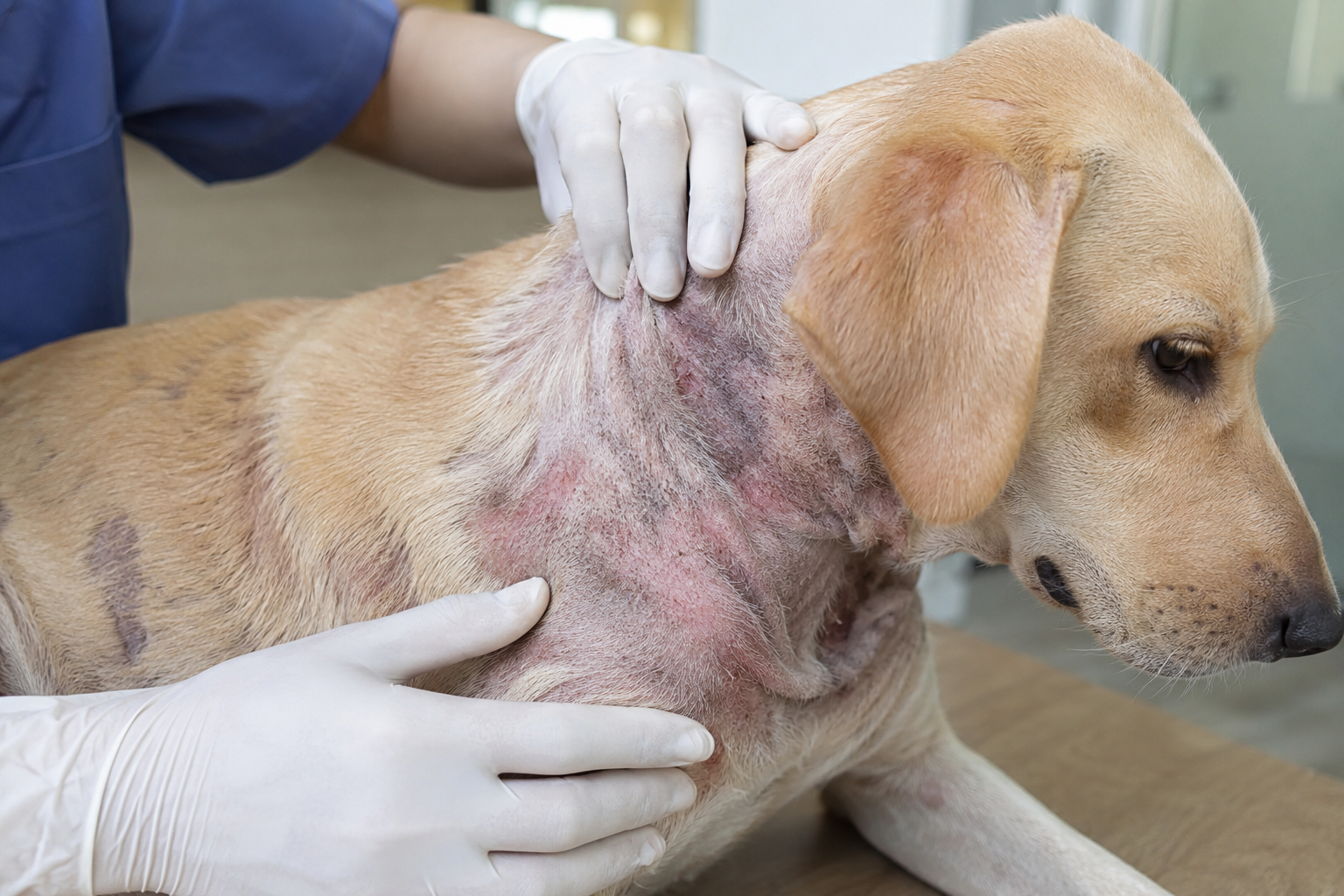
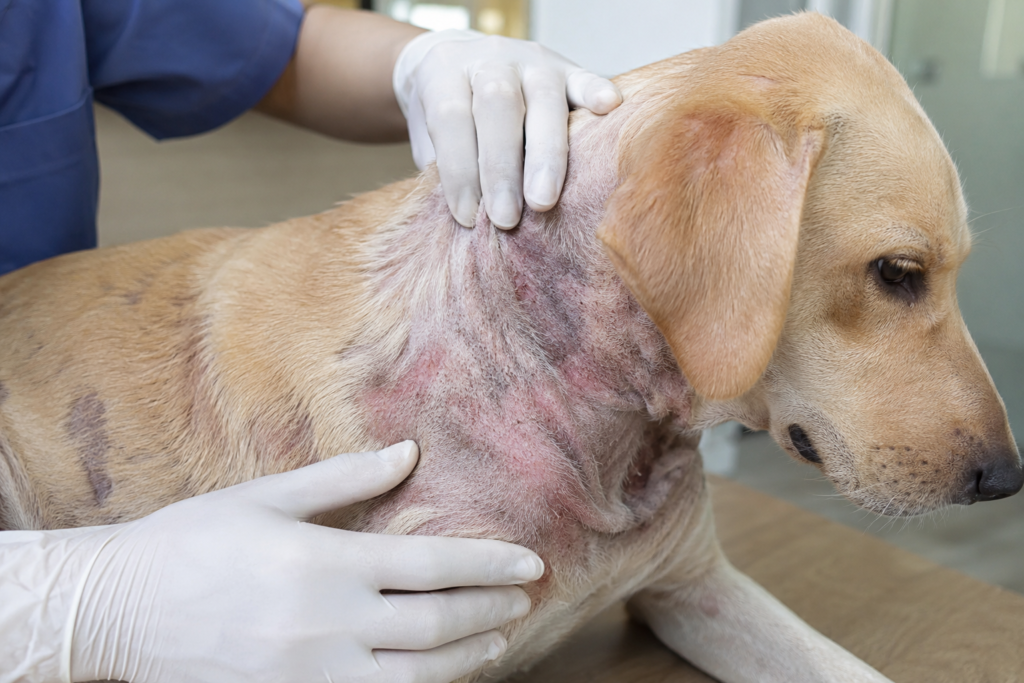
Bacterial skin infections can develop when bacteria grow on damaged or irritated skin. This can happen when a pet scratches itself repeatedly because of allergies, fleas, or another skin problem.
Signs of a bacterial skin infection can include red skin, small bumps, sores, crusts, hair loss, and an unpleasant smell. Some pets may also become uncomfortable when the affected area is touched.
Veterinary treatment may be needed to control the infection. It is important not to use human skin medicines on your pet unless a veterinarian tells you to do so. Some products that are safe for people may be harmful to animals.
5. Fungal Infections and Ringworm
Ringworm is a common fungal skin infection that can affect both cats and dogs. Despite its name, ringworm is not caused by a worm. It can cause circular areas of hair loss, flaky skin, redness, and irritation.
Ringworm can spread between animals and can sometimes spread from pets to people. This makes early treatment especially important.
If you notice unusual circular bald patches or areas of flaky skin, contact your veterinarian. Treatment may include special shampoos, creams, or other medicines depending on the severity of the infection.
6. Mange and Other Skin Parasites
Mange is caused by tiny mites that live on or inside the skin. Different types of mites can affect pets, and some can cause severe itching and skin irritation.
Pets with mange may scratch constantly, lose hair, develop thick or crusty skin, and have red irritated areas. The ears, face, legs, and belly can sometimes be affected.
Because several other skin conditions can look similar to mange, a veterinarian may need to examine the skin and perform tests before recommending treatment. Proper treatment can help remove the mites and allow the skin to heal.
7. Hot Spots
Hot spots are painful, irritated areas of skin that can develop quickly. They are especially common in dogs, although other pets can also experience similar skin irritation.
A hot spot may appear as a red, wet, or sore area. Dogs often lick, scratch, or bite the spot, which can make it larger within a short time.
Hot spots can be caused by allergies, flea bites, moisture, or skin irritation. Keeping your pet clean and dry and controlling fleas can reduce the risk. If a hot spot is large, painful, or getting worse, veterinary treatment may be necessary.
8. Ear and Skin Problems
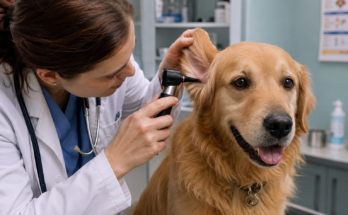
Ear problems and skin problems can sometimes happen together. Pets with allergies may develop itchy ears along with irritated skin. You may notice your pet shaking its head, scratching its ears, or developing a strong smell around the ears.
Some pets are more likely to have recurring ear and skin problems because of allergies or their body structure. Cleaning the ears regularly may help, but excessive cleaning can also cause irritation.
If your pet has frequent ear problems along with itching or skin redness, talk with a veterinarian about the possible underlying cause.
9. Hair Loss
Some hair shedding is completely normal, especially during seasonal changes. However, unusual or excessive hair loss can be a sign of a skin problem or another health issue.
Hair loss can happen because of fleas, allergies, fungal infections, parasites, hormonal problems, stress, or excessive licking and scratching.
Pay attention to whether the hair loss is spread evenly across the body or appears in specific patches. Bald spots, redness, crusts, or sores should be checked by a veterinarian.
10. Skin Lumps and Bumps
Not every lump or bump on a pet’s skin is dangerous. Some are harmless, but others may need medical attention. This is why it is important to notice new growths or changes in existing ones.
Check your pet’s skin regularly while brushing or petting them. Look for lumps that grow quickly, change shape, bleed, become painful, or develop unusual discharge.
Do not try to remove a skin lump yourself. A veterinarian can examine it and decide whether additional testing is needed.
How to Prevent Skin Problems in Pets
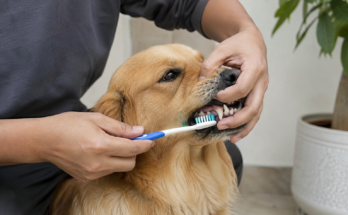
Good everyday care can help keep your pet’s skin healthy. Regular brushing removes loose hair and dirt while allowing you to notice unusual changes early.
Flea and tick prevention is also important. Use products recommended by your veterinarian and follow the instructions carefully. Keeping your pet’s bedding and living area clean can also help reduce exposure to parasites and irritants.
A balanced diet is another important part of healthy skin. Your pet needs the right amount of protein, fats, vitamins, and minerals. Fresh water should also be available at all times.
Bathing should be done when needed using products made specifically for pets. Human shampoos can be too harsh for animal skin and may cause dryness or irritation.
When Should You Visit a Veterinarian?
Some minor skin problems may improve with simple care, but persistent or severe symptoms should not be ignored. Contact a veterinarian if your pet has intense itching, open sores, severe redness, sudden hair loss, swelling, bleeding, or a strong skin odor.
You should also seek veterinary advice if the problem keeps coming back. Repeated skin infections or constant itching may mean that there is an allergy, parasite problem, or another underlying condition that needs proper treatment.
Early veterinary care can prevent many skin problems from becoming more serious. It can also help your pet feel comfortable again.
Final Thoughts
Common skin problems in pets can have many different causes, from fleas and allergies to infections and parasites. The most important thing is to pay attention to changes in your pet’s skin, coat, and behavior.
Regular grooming, parasite prevention, good nutrition, and proper hygiene can help support healthy skin. If you notice unusual itching, redness, hair loss, sores, or lumps, do not ignore the signs.
Every pet is different, so the right treatment depends on the cause of the problem. When symptoms are severe, persistent, or getting worse, a veterinarian can provide the right diagnosis and treatment.
Taking care of your pet’s skin is an important part of overall pet health. With regular attention and good daily care, you can help your dog or cat stay comfortable, active, and healthy throughout the year.