Taking your pet to the vet is an important part of being a responsible pet owner. Many people only visit a veterinarian when their pet becomes sick or shows a serious problem. However, regular veterinary visits can help prevent health problems and allow you to notice small issues before they become serious.
So, how often should you take your pet to the vet? The answer depends on several things, including your pet’s age, health, breed, lifestyle, and medical history. Puppies, kittens, senior pets, and pets with health problems may need more frequent visits than healthy adult pets.
Regular veterinary care is one of the best ways to help your pet live a longer, healthier, and happier life.
Why Regular Vet Visits Are Important
Pets cannot tell us when something is wrong. They may continue eating, playing, and behaving normally even when they have an early health problem. A veterinarian can find signs that may not be obvious to you.
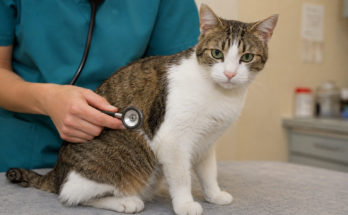
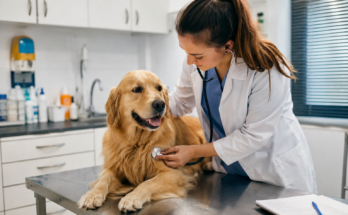
During a regular vet visit, the veterinarian can check your pet’s weight, teeth, skin, eyes, ears, heart, lungs, and overall condition. Vaccinations can also be updated when needed. The vet may recommend blood tests, dental care, parasite prevention, or other health checks depending on your pet’s needs.
Regular veterinary visits also give you a chance to ask questions about food, exercise, behavior, grooming, and general pet care.
How Often Should Adult Pets Visit the Vet?
For most healthy adult dogs and cats, a veterinary checkup once a year is a good starting point. Annual visits allow the veterinarian to monitor your pet’s health and identify changes over time.
Some pets may benefit from visiting the vet every six months. This is especially true for older animals or pets with ongoing health conditions. Your veterinarian can recommend the best schedule based on your pet’s individual needs.
Even if your pet looks perfectly healthy, an annual veterinary examination should not be skipped. Some diseases can develop without obvious symptoms during the early stages.
Vet Visits for Puppies and Kittens
Young pets usually need more veterinary visits than adult pets. Puppies and kittens are still growing and developing, so they require careful monitoring during their first year.
Vaccinations are an important part of puppy and kitten care. Young pets often receive a series of vaccinations during their early months. Your veterinarian will create a vaccination schedule based on your pet’s age and health.
During these visits, the vet can also check growth, nutrition, teeth, development, and parasites. You can also discuss training, socialization, exercise, and other important parts of raising a healthy pet.
Once your puppy or kitten completes the early vaccination schedule, your veterinarian can recommend the appropriate schedule for future checkups.
How Often Should Senior Pets See a Vet?
Senior pets often need more frequent veterinary care because health problems become more common with age. Dogs and cats age at different rates depending on their size, breed, and individual health.
Many older pets benefit from veterinary visits every six months. Regular examinations can help detect problems involving the joints, kidneys, heart, teeth, eyes, weight, or other parts of the body.
Senior pets may also need blood work or other tests to monitor their internal health. Finding a problem early can sometimes make treatment easier and give your pet a better quality of life.
If your pet is getting older, ask your veterinarian when they should be considered a senior and how often they should receive checkups.
When Your Pet Has a Health Problem
Pets with chronic health conditions may need to visit the vet more often. Conditions such as diabetes, kidney disease, allergies, arthritis, heart problems, or other ongoing illnesses often require regular monitoring.
Your veterinarian may recommend follow up appointments, medication checks, blood tests, or other examinations. Following the recommended schedule is important because your pet’s condition can change over time.
Never change your pet’s medication or treatment schedule without talking to your veterinarian first.
Signs Your Pet Needs a Vet Visit
Regular checkups are important, but you should not wait for the next scheduled appointment if your pet develops unusual symptoms.
Some signs that may require veterinary attention include changes in appetite, unusual tiredness, vomiting, diarrhea, coughing, difficulty breathing, sudden weight loss, excessive thirst, changes in urination, limping, skin problems, or unusual behavior.
You should also pay attention to changes in your pet’s daily routine. A pet that suddenly hides, becomes less active, stops playing, or seems uncomfortable may be trying to show that something is wrong.
If you notice a sudden or serious change in your pet’s health, contact a veterinarian as soon as possible.
Dental Checkups Are Also Important
Dental health is often overlooked by pet owners. However, dental problems are very common in dogs and cats. Plaque and tartar can build up on the teeth and may lead to gum problems, bad breath, pain, and other health concerns.
Your veterinarian should check your pet’s teeth during regular examinations. Depending on your pet’s dental condition, professional cleaning may be recommended.
At home, regular brushing with pet safe dental products can help maintain good oral health. Never use human toothpaste for your pet unless a veterinarian specifically recommends it.
Vaccinations and Preventive Care
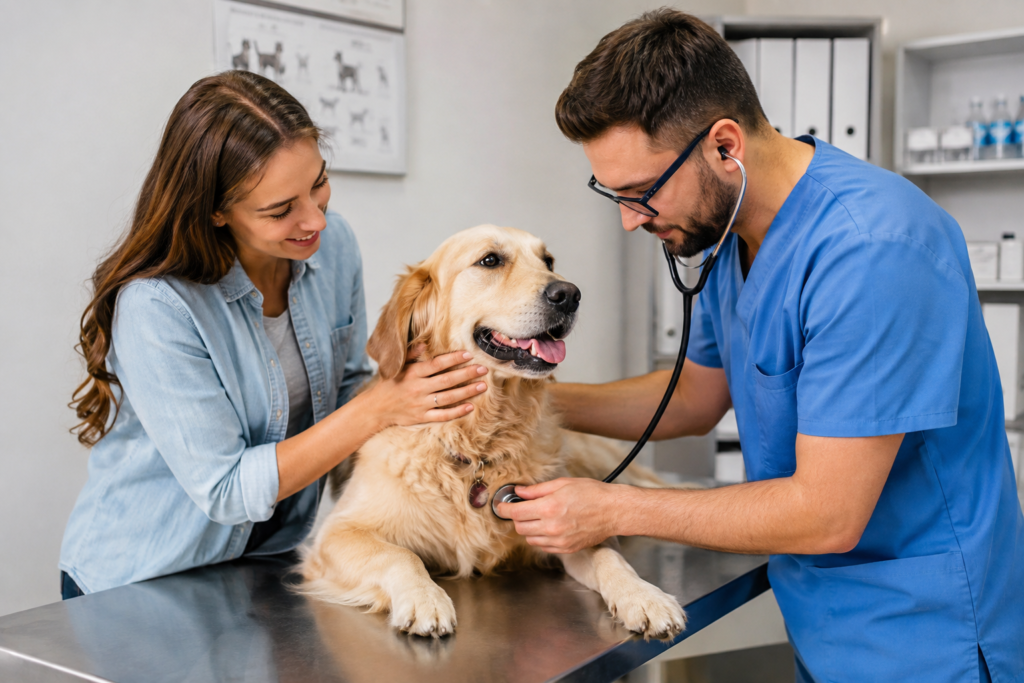
Vaccinations help protect pets from several serious diseases. Your veterinarian can tell you which vaccines your pet needs and when they should be given.
Preventive care can also include flea and tick control, heartworm prevention, intestinal parasite treatment, and other measures depending on where you live and your pet’s lifestyle.
Pets that spend a lot of time outdoors may have different parasite risks than pets that stay indoors. Even indoor pets can sometimes be exposed to parasites, so it is important to discuss prevention with your veterinarian.
What Happens During a Vet Checkup?
A routine veterinary examination usually starts with questions about your pet’s health and daily habits. The veterinarian may ask about eating, drinking, exercise, bathroom habits, behavior, and any changes you have noticed.
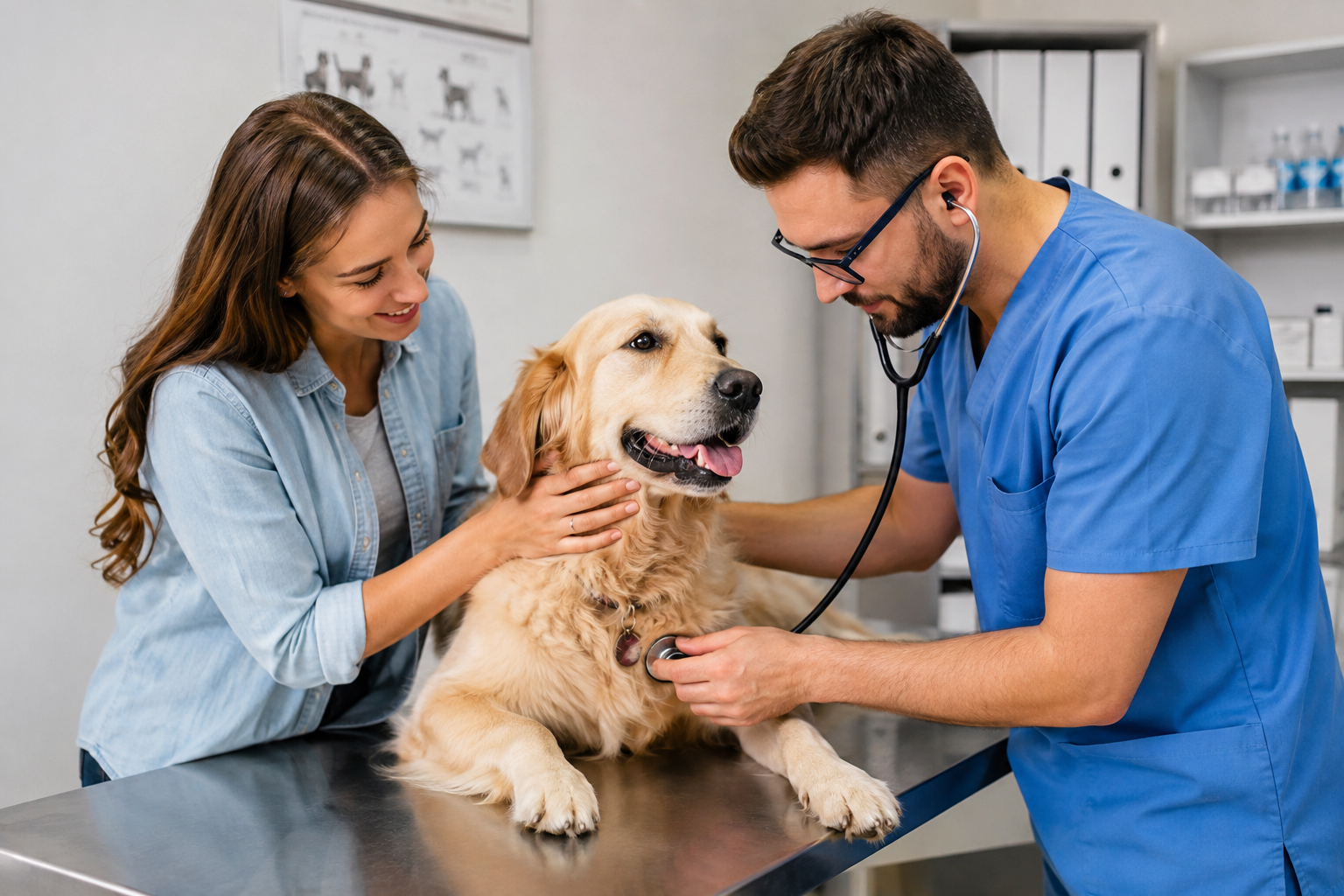
The vet will then perform a physical examination. This may include checking your pet’s eyes, ears, mouth, teeth, skin, coat, heart, lungs, abdomen, and joints. The pet’s weight may also be recorded.
Depending on your pet’s age and health, the veterinarian may recommend vaccinations, blood tests, stool tests, dental care, or other examinations.
These routine checks help create a health history for your pet. Having records from previous visits makes it easier for the veterinarian to notice changes over time.
How to Prepare for a Vet Visit
Preparing for a veterinary appointment can make the experience easier for both you and your pet.
Before the appointment, make a note of any changes you have noticed. Write down questions you want to ask so you do not forget them during the visit.
Bring information about your pet’s current food, medications, supplements, and previous medical records if they are not already available to the clinic.
If your pet becomes nervous at the vet, tell the clinic before your appointment. The staff may be able to suggest ways to make the visit more comfortable.
For cats and small pets, using a secure carrier is important. Dogs should be safely controlled with a leash when appropriate.
Do Indoor Pets Need Regular Vet Visits?
Yes, indoor pets still need regular veterinary care. Some owners believe that indoor cats or dogs have little risk of illness because they spend most of their time inside.
However, indoor pets can still develop dental problems, obesity, allergies, infections, parasites, and other health conditions. They also need vaccinations and routine health examinations based on their individual needs.
Indoor pets may have fewer environmental risks, but they are not completely protected from health problems.
The Importance of Preventive Pet Care
Preventive pet care is much better than waiting until your pet becomes seriously ill. Regular veterinary visits allow you to stay ahead of potential problems.
Your veterinarian can help you choose appropriate food, exercise routines, parasite prevention, vaccinations, dental care, and other health measures.
Keeping your pet at a healthy weight is also important. Obesity can increase the risk of several health problems and may reduce your pet’s quality of life. Regular weight checks can help you notice unwanted changes early.
Final Thoughts
So, how often should you take your pet to the vet? For most healthy adult pets, a yearly checkup is a good general guideline. Puppies, kittens, senior pets, and animals with health conditions may need more frequent visits.
The most important thing is to follow a veterinary schedule that matches your pet’s age, lifestyle, breed, and health needs. Do not wait for a serious problem before seeking professional care.
Regular vet visits, proper nutrition, exercise, dental care, vaccinations, parasite prevention, and attention to changes in behavior can all help your pet stay healthy.
Your pet depends on you for its health and well being. Making veterinary care a regular part of your pet care routine is one of the simplest and most valuable things you can do to give your companion a long and happy life.