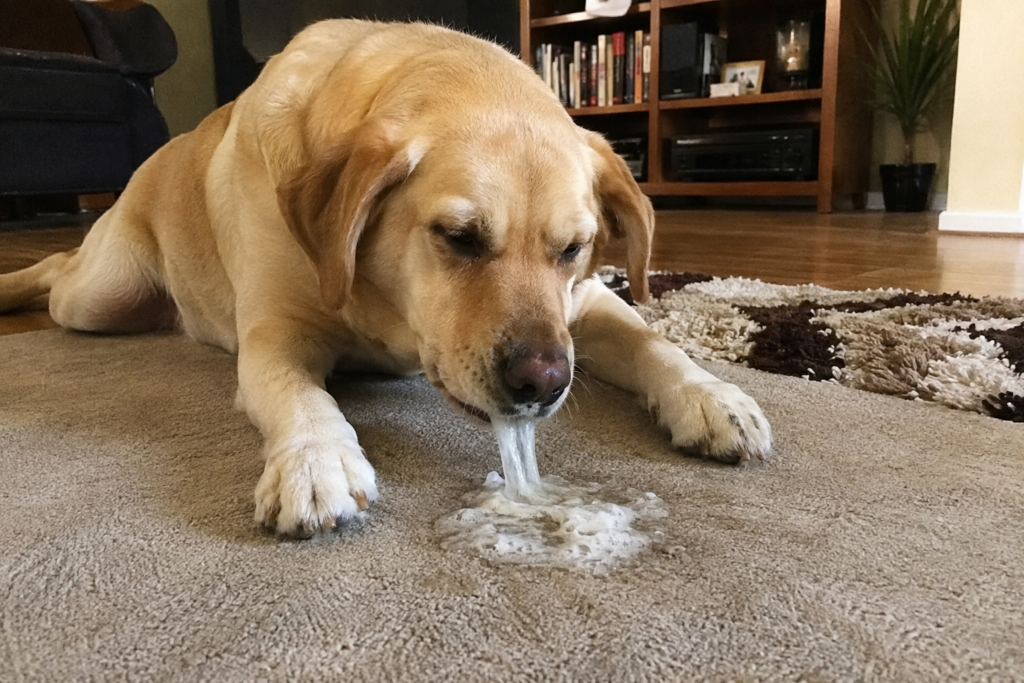
Seeing your pet vomit can be scary, especially when you are not sure what caused it. Dogs and cats may vomit for many different reasons. Sometimes vomiting happens because a pet ate too quickly or swallowed something that did not agree with the stomach. In other cases, vomiting can be a sign of an illness that needs veterinary care.
Knowing what to do if your pet is vomiting can help you stay calm and make better decisions. The most important thing is to look at your pet’s overall condition, not just the vomiting itself. A single episode may not always be serious, but repeated vomiting, weakness, blood in vomit, or other unusual signs should never be ignored.
Why Do Pets Vomit?
Vomiting is the body’s way of removing something from the stomach that may be irritating or harmful. Many common things can cause vomiting in pets.
A pet may vomit after eating too much food, eating too quickly, changing food suddenly, or eating table scraps. Some pets also vomit after eating grass or other things they find around the house.
Other possible causes include stomach infections, parasites, food allergies, spoiled food, stress, motion sickness, and certain medications. More serious problems can also cause vomiting, including intestinal blockage, poisoning, kidney disease, liver problems, pancreatitis, and other medical conditions.
Because there are so many possible causes, it is important to watch your pet carefully after vomiting.
Check Your Pet After Vomiting
The first thing to do when your pet vomits is to stay calm and check how your pet is acting.
If your dog or cat vomits once but continues to act normally, drinks water, responds to you, and shows interest in normal activities, you can usually monitor the situation closely.
Look at your pet’s energy level and behavior. A healthy pet should normally be alert and responsive. If your pet becomes very weak, sleepy, confused, restless, or unable to stand properly, the situation may be more serious.
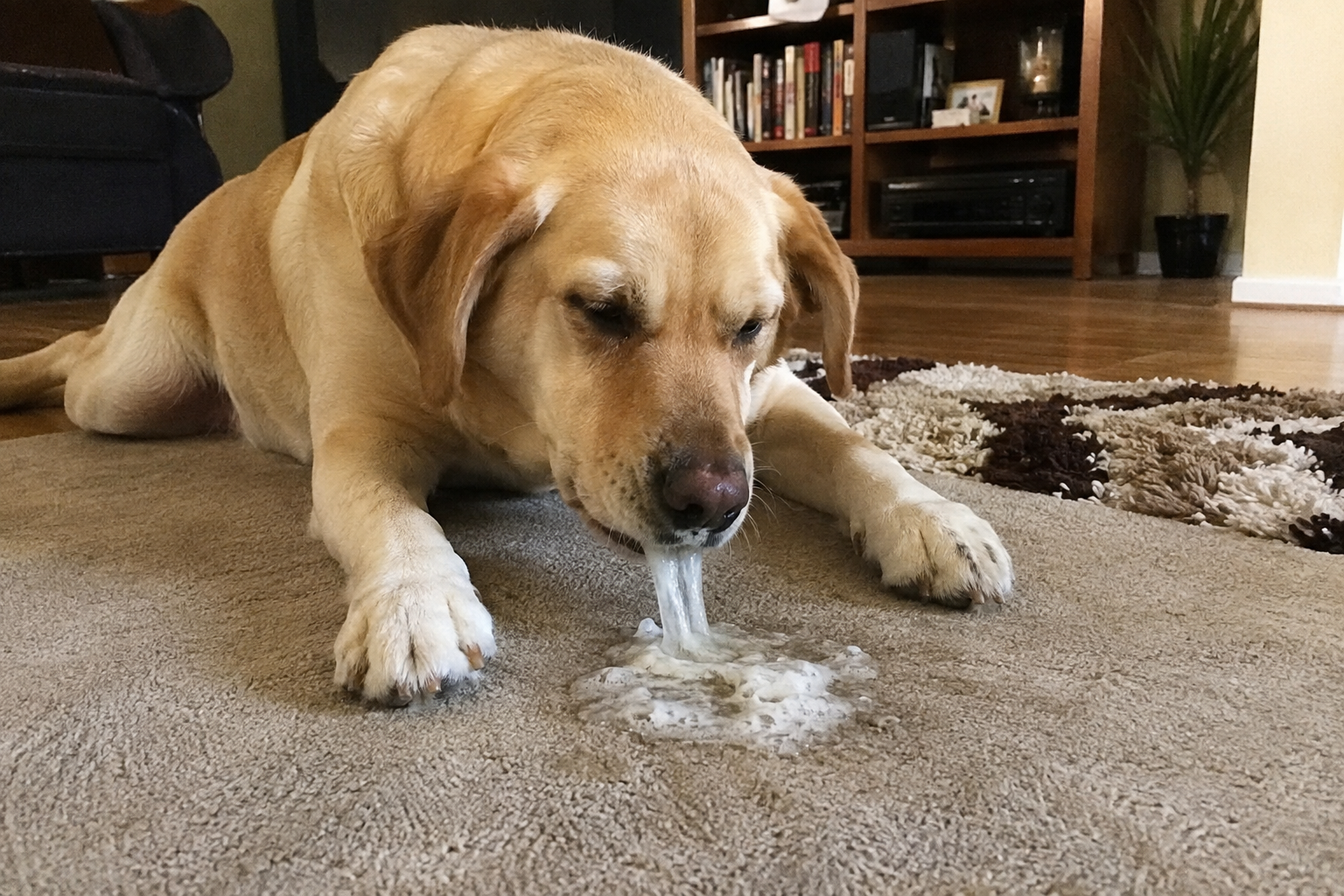
Also check the vomit if possible. The appearance of the vomit can sometimes provide useful information for your veterinarian.
Food in the vomit may suggest that your pet recently ate. Yellow or green fluid can sometimes be bile. However, the color alone cannot tell you exactly what is wrong.
Give Your Pet Access to Fresh Water
Vomiting can cause fluid loss, so keeping your pet hydrated is important. However, do not allow a vomiting pet to drink a large amount of water at once.
A pet that drinks too quickly may vomit again. Instead, offer small amounts of fresh water and watch how your pet responds.
If your pet cannot keep even small amounts of water down, contact a veterinarian. Repeated vomiting combined with an inability to drink can lead to dehydration.
Signs of dehydration may include dry or sticky gums, weakness, reduced urination, and unusual tiredness. Young puppies, kittens, older pets, and pets with existing health problems may become dehydrated more quickly.
Do Not Give Human Medicine
One of the biggest mistakes pet owners can make is giving human medicine without veterinary advice.
Some medicines that are commonly used by people can be dangerous for dogs and cats. Even medicines that seem harmless may cause serious problems if the dose is incorrect.
Do not give your pet anti vomiting medicine, pain medicine, or other human medication unless your veterinarian specifically tells you to do so.
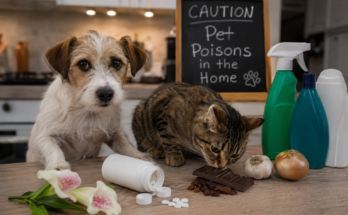
If you believe your pet has swallowed medication, chemicals, toxic food, or another harmful substance, contact a veterinarian immediately.
Think About What Your Pet Ate
Try to remember what your pet ate during the last several hours. This information can be very useful.
Think about whether your pet had a new type of food, treats, leftovers, bones, plants, garbage, or anything unusual. Also check whether your pet may have had access to household chemicals, medicines, small toys, string, socks, or other objects.
Dogs and cats can sometimes swallow objects while playing or exploring. A swallowed object can become stuck in the digestive system and cause repeated vomiting.
If you think your pet swallowed a foreign object, do not wait for the problem to get better on its own. Contact a veterinarian as soon as possible.
When Should You Call a Veterinarian?
Knowing when to call a veterinarian is an important part of caring for a vomiting pet.
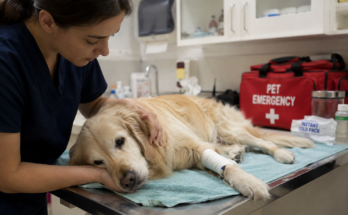
You should contact a veterinarian if vomiting happens repeatedly or continues for several hours. You should also seek veterinary help if your pet seems very tired, weak, painful, or unusually quiet.
Blood in vomit is another reason to contact a veterinarian. Vomit that contains red blood or material that looks dark and similar to coffee grounds can indicate bleeding.
Other warning signs include diarrhea, loss of appetite, fever, difficulty breathing, swollen stomach, pale gums, shaking, collapse, or changes in urination.
If your pet is vomiting and also showing several of these symptoms, do not wait to see whether the problem disappears.
Vomiting in Puppies and Kittens
Puppies and kittens need special attention when they vomit. Their bodies are smaller, and they can become dehydrated or weak more quickly than healthy adult animals.
If a young puppy or kitten vomits more than once, refuses food or water, becomes weak, or develops diarrhea, speak with a veterinarian promptly.
Young pets can also be more curious and may swallow objects they should not eat. This can create a serious digestive problem.
Because puppies and kittens are still developing, it is safer to get professional advice rather than assuming vomiting is harmless.
Vomiting in Older Pets
Older dogs and cats may also need closer monitoring. Vomiting in an older pet can sometimes be connected to an underlying health condition.
If an older pet starts vomiting repeatedly, loses interest in food, drinks much more water than normal, loses weight, or becomes unusually tired, contact your veterinarian.
Regular veterinary checkups are especially helpful for senior pets because early detection can make many health problems easier to manage.
What Should Your Pet Eat After Vomiting?
If your pet has vomited once and seems completely normal afterward, avoid immediately giving a large meal.
Give the stomach some time to settle and then follow your veterinarian’s advice about feeding. When food is offered again, a small amount may be easier to tolerate than a large meal.
Do not suddenly introduce new foods, rich treats, fatty table scraps, or large portions.
If vomiting happens again after eating, stop experimenting with different foods and contact your veterinarian for advice.
Pets with repeated vomiting may need a specific diet or medical treatment depending on the underlying cause.
How to Prevent Vomiting in Pets
You cannot prevent every case of vomiting, but there are several simple steps that can reduce the risk.
Feed your pet a balanced diet that is appropriate for their age, size, and health needs. Avoid sudden changes in food. If you need to change your pet’s diet, make the transition gradually.
Keep garbage and spoiled food away from your pet. Store medicines, cleaning products, chemicals, and other dangerous substances in secure places.
Keep small toys, strings, socks, plastic items, and other objects away from pets that like to chew or swallow things.
If your dog eats very quickly, ask your veterinarian about safe feeding methods that may help slow down eating.
Regular veterinary checkups can also help identify health problems before they become more serious.
Vomiting Versus Regurgitation
It is also helpful to understand that vomiting and regurgitation are not exactly the same.
Vomiting usually involves nausea and active stomach contractions. A pet may drool, lick its lips, swallow repeatedly, or appear uncomfortable before vomiting.
Regurgitation often happens suddenly and may occur shortly after eating or drinking. The food may look relatively undigested.
The difference can be important because vomiting and regurgitation can have different causes. If your pet regularly brings food back up without obvious nausea, tell your veterinarian.
If possible, take a short video of the episode. A video can sometimes help your veterinarian understand what is happening.
Keep a Record of Your Pet’s Symptoms
If vomiting continues, keeping a simple record can be very helpful.
Write down when your pet vomited, how many times it happened, what the vomit looked like, what your pet ate, and whether there were other symptoms.
Also note changes in appetite, water consumption, bowel movements, energy, and behavior.
This information can help your veterinarian understand the situation more quickly and decide what examinations or tests may be needed.
Never Ignore Possible Poisoning
If you think your pet has eaten something poisonous, treat the situation as urgent.
Do not wait for vomiting or other symptoms to become severe. Some toxic substances can cause serious damage before obvious signs appear.
Remove your pet from the substance if it is safe to do so and contact a veterinarian immediately. Keep the product packaging or information about the substance available if possible.
Do not try to make your pet vomit unless a veterinary professional specifically tells you to do so. In some situations, causing vomiting can make the problem worse.
Final Thoughts
Knowing what to do if your pet is vomiting can make a stressful situation easier to handle. A single episode of vomiting in an otherwise healthy and active pet may not always mean there is a serious problem. However, repeated vomiting or vomiting combined with other symptoms should be taken seriously.
The best approach is to monitor your pet closely, provide access to fresh water, avoid human medicines, and pay attention to anything unusual your pet may have eaten.
If your pet cannot keep water down, has blood in the vomit, appears weak or painful, has a swollen stomach, or shows other serious symptoms, contact a veterinarian promptly.
Every pet is different, and the cause of vomiting cannot always be determined at home. When you are unsure about your pet’s condition, getting professional veterinary advice is always the safest choice.
Taking quick action when something seems wrong can help protect your pet’s health and give you peace of mind.