Pets cannot tell us when they are feeling sick or when something is hurting them. This is why pet owners need to pay attention to changes in their pet’s behavior, eating habits, energy level, and appearance. Sometimes a small change can be a sign of a health problem that needs proper treatment.
Knowing the signs your pet needs to see a veterinarian can help you take action at the right time. Early veterinary care can often prevent a small health issue from becoming a serious problem. Whether you have a dog, cat, bird, or another pet, understanding common warning signs is an important part of responsible pet care.
Your Pet Suddenly Stops Eating
One of the most common signs that your pet may need veterinary attention is a sudden loss of appetite. If your pet normally enjoys meals but suddenly refuses food, something may be wrong.
Pets can lose their appetite because of stress, dental problems, stomach issues, infections, pain, or other health conditions. Missing one meal may not always be an emergency, but continued refusal to eat should not be ignored.
If your pet is not eating and also appears weak, sleepy, uncomfortable, or is vomiting, contact a veterinarian. Young animals and very small pets can become weak more quickly, so changes in eating habits deserve extra attention.
Drinking Much More or Less Water
Changes in water consumption can also be an important warning sign. If your pet suddenly starts drinking much more water than usual, it may be connected to a health problem.
Increased thirst can sometimes occur with kidney problems, diabetes, certain infections, or other medical conditions. Drinking much less water can also be concerning because dehydration can become dangerous.
Keep an eye on your pet’s water bowl and notice any major changes. If unusual drinking continues, speak with your veterinarian about the possible cause.
Unusual Tiredness or Weakness
Pets naturally sleep and rest, but there is a difference between normal rest and unusual tiredness. If your normally active dog no longer wants to play, or your cat spends most of the day hiding and sleeping, it may be a sign that something is wrong.
Weakness can happen because of illness, pain, infection, dehydration, nutritional problems, or other conditions. If your pet suddenly becomes very tired or has difficulty standing or walking, veterinary care may be needed.
You know your pet’s normal personality better than anyone. When their energy level changes noticeably, take it seriously.
Frequent Vomiting or Diarrhea
Occasional stomach upset can happen to pets, especially if they eat something unusual. However, repeated vomiting or diarrhea can be a sign of a more serious problem.
Pets can develop digestive problems because of spoiled food, infections, parasites, allergies, foreign objects, or other medical conditions. Frequent vomiting and diarrhea can also cause dehydration.
If your pet repeatedly vomits, has ongoing diarrhea, appears weak, refuses food, or shows signs of pain, contact a veterinarian. Blood in vomit or stool is another reason to seek professional veterinary advice promptly.
Trouble Breathing
Breathing problems should always be taken seriously. If your pet is breathing very quickly, struggling to breathe, coughing heavily, or making unusual sounds while breathing, veterinary attention may be necessary.
A healthy pet should be able to breathe comfortably when resting. Difficulty breathing can be connected to respiratory infections, heart problems, allergies, injuries, or other serious conditions.
If your pet is struggling to breathe, do not wait for the problem to disappear on its own. Seek veterinary care as soon as possible.
Changes in Bathroom Habits
Changes in urination or bowel movements can provide useful information about your pet’s health. If your pet suddenly urinates much more often, has accidents indoors, strains to urinate, or produces very little urine, something may be wrong.
Cats especially can develop urinary problems that require quick attention. A cat that repeatedly visits the litter box but cannot urinate may have a serious urinary blockage.
Changes in stool can also be important. Persistent constipation, diarrhea, blood in the stool, or major changes in stool appearance should be discussed with a veterinarian.
Your Pet Is Hiding More Than Usual
Many pets hide when they are scared or stressed, but hiding can also be a sign of illness or pain. Cats are especially good at hiding discomfort.
If your friendly and social pet suddenly spends more time under furniture, in corners, or away from the family, pay attention to other changes as well. Loss of appetite, low energy, unusual sounds, or changes in bathroom habits can make the situation more concerning.
A sudden personality change should not be ignored, especially when it continues for more than a short period.
Limping or Difficulty Moving
If your pet starts limping, walking differently, avoiding stairs, or struggling to stand, they may be experiencing pain or an injury.
Sometimes an injury is obvious, such as after a fall or accident. In other cases, the cause may not be easy to see. Joint problems, muscle injuries, arthritis, infections, and other conditions can affect movement.
Do not force your pet to exercise if they are having trouble moving. Allow them to rest and contact a veterinarian for advice.
Excessive Scratching or Hair Loss
A little scratching is normal, but constant scratching, licking, biting, or rubbing the skin can indicate a problem.
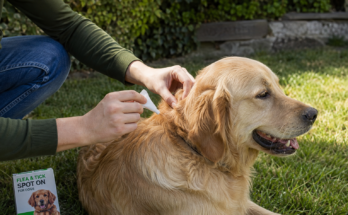
Fleas, ticks, allergies, skin infections, parasites, and other conditions can cause itching. You may also notice red skin, sores, dandruff, bald patches, or an unpleasant smell.
Skin problems can become worse when pets repeatedly scratch or bite the affected area. A veterinarian can help identify the cause and recommend appropriate treatment.
Changes in Your Pet’s Eyes
Healthy eyes should generally look clear and comfortable. Redness, swelling, discharge, cloudiness, excessive tearing, or frequent blinking can be signs of an eye problem.
Pets may also rub their eyes with their paws or avoid bright light when they are uncomfortable. Eye problems can sometimes become serious quickly, so it is better to have unusual changes checked by a veterinarian.
Never use human eye medication on your pet unless a veterinarian specifically recommends it.
Bad Breath and Dental Problems
Bad breath is sometimes treated as normal in pets, but strong or persistent bad breath can be a sign of dental disease.
Plaque and tartar can build up on the teeth and lead to gum inflammation, infections, and discomfort. Your pet may also have difficulty chewing, drop food, avoid hard food, or paw at their mouth.
Regular dental care and veterinary checkups can help protect your pet’s teeth and gums. If you notice bleeding gums, loose teeth, swelling, or serious mouth odor, schedule a veterinary examination.
Sudden Weight Loss or Weight Gain
A noticeable change in body weight can also be a warning sign. If your pet is losing weight without a change in diet or activity, there may be an underlying health problem.
Unexpected weight gain can also be concerning, particularly if your pet is becoming less active or has other symptoms. Changes in appetite, digestion, metabolism, or activity can all affect weight.
Regularly checking your pet’s body condition can help you notice changes early.
Your Pet Shows Signs of Pain
Pets often hide pain, so even small signs should be taken seriously. A pet in pain may become quiet, aggressive, restless, or unusually withdrawn.
Other signs can include whining, crying, panting, shaking, avoiding touch, limping, hiding, or changing sleeping positions. Some pets may continue eating even when they are uncomfortable, which can make pain difficult to recognize.
If you believe your pet is in pain, speak with a veterinarian. Never give your pet human pain medication unless it has been specifically prescribed or approved by a veterinarian because some human medicines can be dangerous for animals.
Changes in Behavior
A sudden behavior change can sometimes be one of the first signs of illness. Your pet may become unusually aggressive, fearful, restless, confused, or withdrawn.
Behavior can change because of stress, changes at home, pain, aging, or medical problems. If the change is sudden or occurs along with physical symptoms, veterinary care may be appropriate.
Knowing your pet’s normal behavior makes it much easier to notice these changes.
When Should You Contact a Veterinarian?
You should contact a veterinarian when your pet has symptoms that are severe, unusual, persistent, or getting worse. Some situations require immediate attention, including serious breathing difficulties, collapse, seizures, severe bleeding, suspected poisoning, major injuries, or inability to urinate.
For less serious changes, you can still contact your veterinarian and explain what you have noticed. They can help you decide whether your pet needs an examination.
It is always better to ask for professional advice when you are unsure. Waiting too long can sometimes allow a health problem to become more difficult to treat.
How Regular Veterinary Visits Help
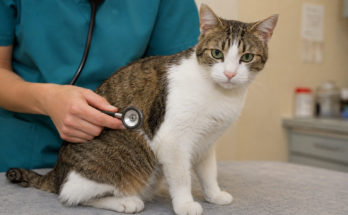
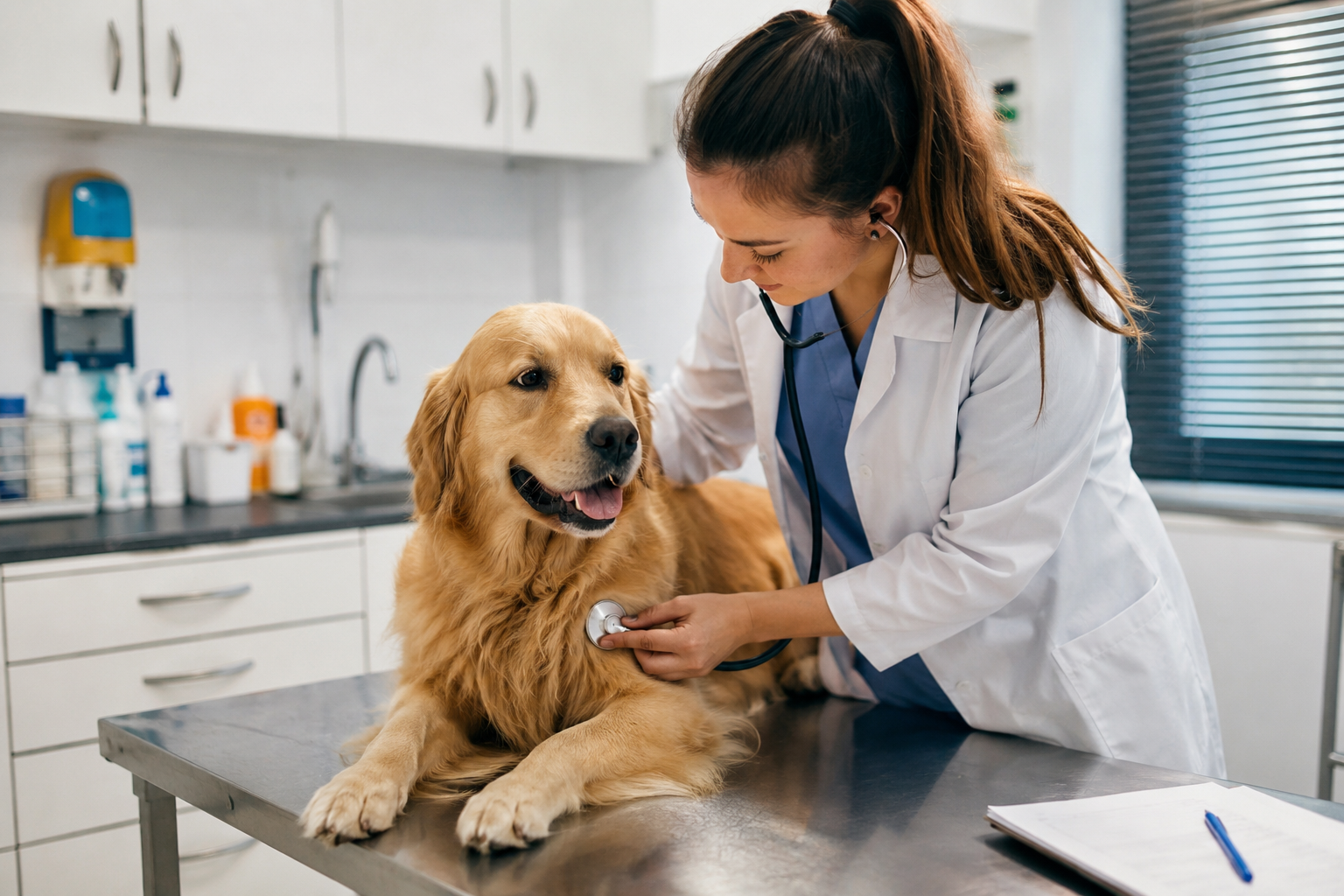
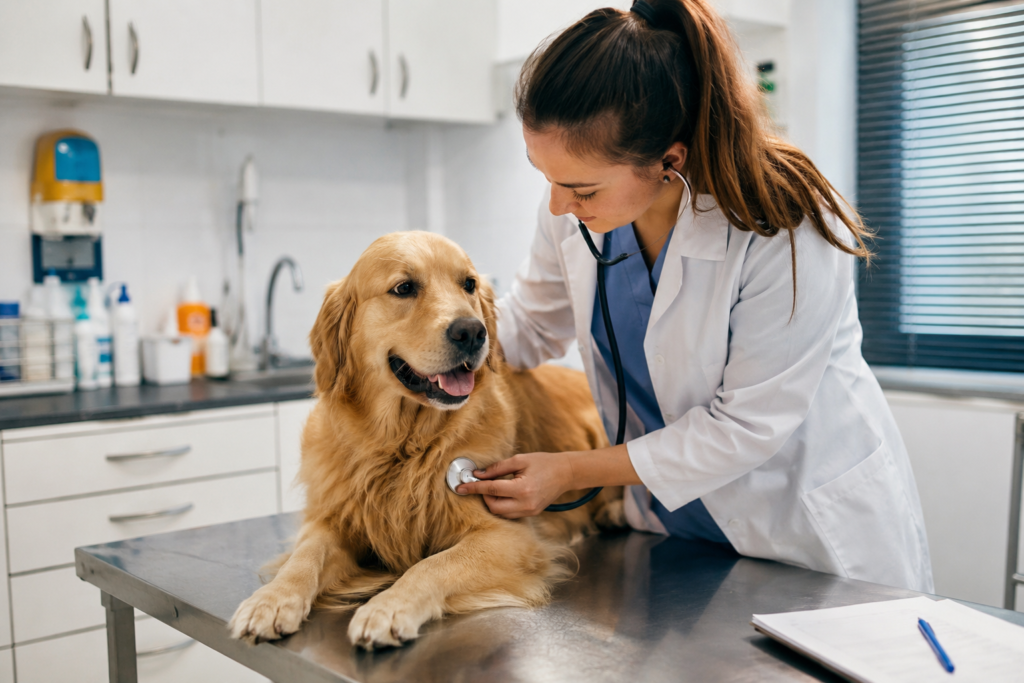
Regular veterinary visits are important even when your pet appears healthy. Routine examinations allow veterinarians to check your pet’s weight, teeth, skin, heart, lungs, and overall condition.
Vaccinations, parasite prevention, dental care, nutrition advice, and routine health checks can help prevent many common problems. Regular visits also give your veterinarian an opportunity to notice early signs that may not be obvious to you.
The right veterinary schedule depends on your pet’s age, species, health, and individual needs.
Final Thoughts
Understanding the signs your pet needs to see a veterinarian can help you protect your pet’s health and comfort. Changes in appetite, water intake, energy, bathroom habits, breathing, movement, weight, skin, eyes, or behavior should always get your attention.
You know your pet better than anyone. If something seems different or your pet does not look or act like themselves, do not ignore the change. Some problems may be minor, but others can become serious without proper treatment.
Good pet care is not only about food, exercise, and love. It is also about noticing changes and getting veterinary help when it is needed. By paying attention to your pet’s daily habits and scheduling regular veterinary checkups, you can give your companion a better chance of staying healthy and happy for years to come.