Taking care of a pet is not only about giving them love, attention, and a safe place to live. Proper nutrition is one of the most important parts of keeping your pet healthy and active. The food your pet eats can affect their energy, weight, digestion, skin, coat, bones, and overall health. For beginners, choosing the right pet food can sometimes feel confusing because there are so many options available.
A good pet nutrition plan does not have to be complicated. You simply need to understand what your pet needs, how much food they should eat, and which foods are safe for them. This complete pet nutrition guide for beginners will help you understand the basics of pet nutrition and make better choices for your furry friend.
Why Pet Nutrition Is Important
Good nutrition gives pets the energy they need for daily activities. Dogs and cats need balanced food that provides important nutrients such as protein, fats, carbohydrates, vitamins, minerals, and water. These nutrients help support their muscles, organs, immune system, bones, and overall development.
Poor nutrition can lead to several health problems. A pet that eats too much may become overweight, while a pet that does not receive enough nutrients may become weak or develop nutritional deficiencies. Feeding your pet a balanced diet can help support a healthy weight and may also contribute to better skin, a healthier coat, and normal digestion.
Your pet’s nutritional needs can also change throughout life. Puppies and kittens usually need different food from adult pets. Senior pets may also need a diet that supports their changing needs. This is why pet nutrition should always be considered according to your pet’s age, size, activity level, and health.
Understanding the Main Nutrients
When learning about pet nutrition, it is helpful to understand the main nutrients found in pet food.
Protein is an important nutrient for dogs and cats. It helps build and maintain muscles and supports many functions in the body. Meat, fish, eggs, and certain animal based ingredients are common sources of protein in pet foods.
Fats provide concentrated energy and help support healthy skin and a shiny coat. Some fats also provide essential fatty acids that are important for normal body functions.
Carbohydrates can provide energy and are found in ingredients such as rice, oats, potatoes, and other grains or vegetables. The amount and type of carbohydrates needed can vary depending on the pet and the food.
Vitamins and minerals are needed in smaller amounts but are still very important. They support bones, teeth, the immune system, muscles, and other body functions. A complete commercial pet food is usually formulated to provide the nutrients a pet needs when fed according to the feeding instructions.
Water is also an essential part of pet nutrition. Fresh, clean water should be available to your pet every day. Proper hydration supports digestion, circulation, temperature regulation, and normal organ function.
Choosing the Right Pet Food
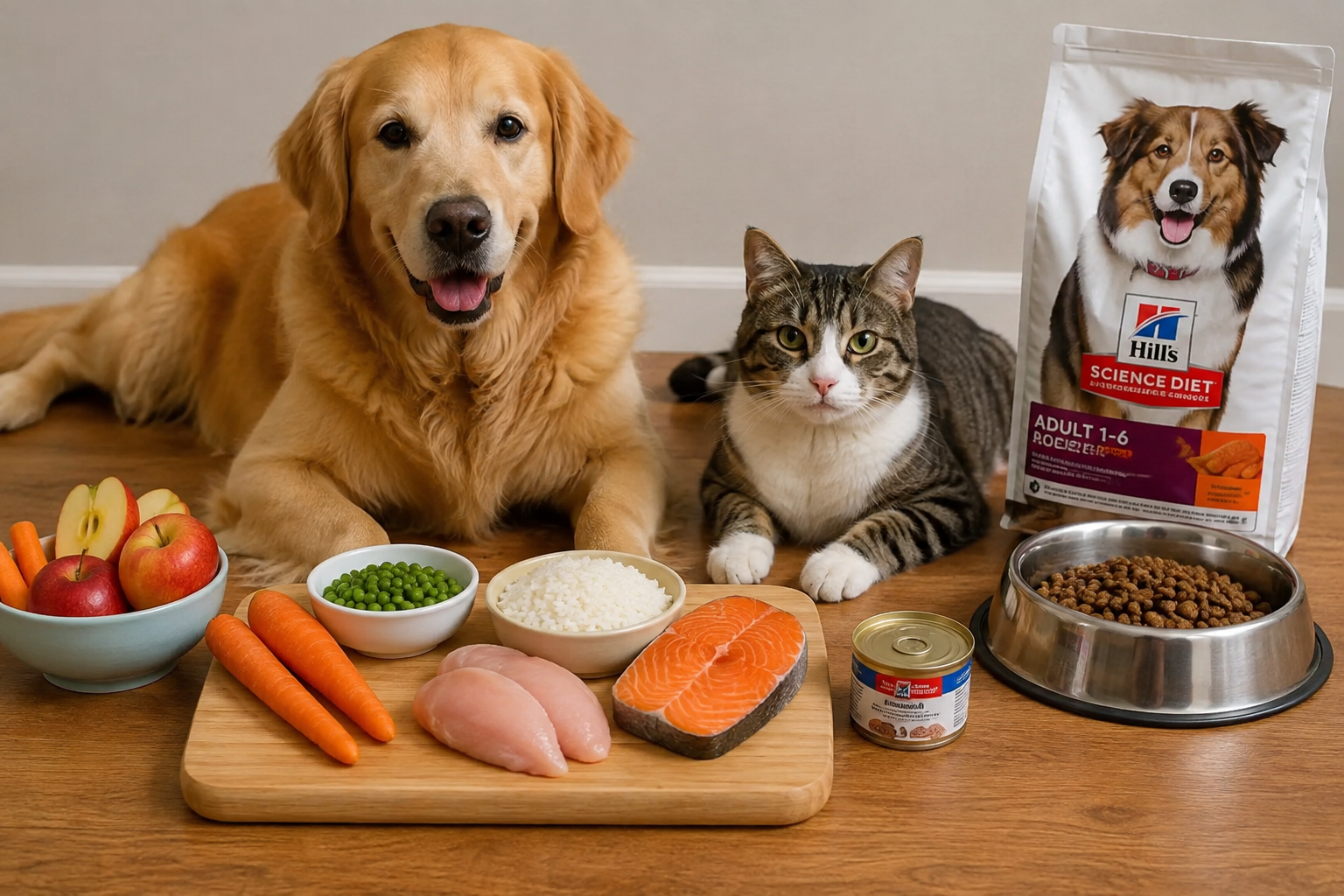
Choosing pet food is one of the most important decisions for a pet owner. There are many types of food, including dry food, wet food, canned food, and specially formulated diets.
When buying pet food, read the label carefully. Look for a food that is designed for your pet’s species and life stage. A food made for cats should not automatically be given to dogs, and food designed for puppies may not be suitable for adult dogs.
It is also important to follow the feeding instructions on the package. These instructions are a starting point because the right amount can vary depending on your pet’s size, activity level, age, and body condition.
If you are unsure about which food is best for your pet, speak with a veterinarian. A veterinarian can help you choose a diet based on your pet’s individual needs.
Puppy and Kitten Nutrition
Young pets need special nutrition because they are growing quickly. Puppies and kittens need enough calories, protein, vitamins, and minerals to support healthy growth and development.
Puppy food and kitten food are usually formulated with the nutritional needs of growing animals in mind. Feeding a young pet adult food may not provide the right balance of nutrients for growth.
Young pets may also need several meals throughout the day rather than one large meal. The exact feeding schedule depends on the animal, breed, size, and age.
Always follow the advice of your veterinarian when feeding a puppy or kitten, especially if your pet belongs to a large breed or has special nutritional needs.
Adult Pet Nutrition
Once your pet reaches adulthood, their nutritional needs usually change. Adult pets generally need a balanced diet that provides enough energy to maintain a healthy body without causing unnecessary weight gain.
The amount of food an adult pet needs depends on several factors. A very active dog may need more calories than a dog that spends most of the day resting. Similarly, an indoor cat may require fewer calories than a highly active cat.
Regularly check your pet’s body condition. You should be able to feel their ribs without seeing them strongly through the skin. If your pet is gaining or losing weight unexpectedly, talk to a veterinarian.
Senior Pet Nutrition
Older pets may have different nutritional requirements. As pets age, their activity levels can decrease, which means they may need fewer calories. Some senior pets may also experience changes in digestion, dental health, or other areas that can affect their diet.
Senior pet food can be useful for some older animals, but there is no single diet that works for every senior pet. Your veterinarian can help determine whether your pet needs a specific diet based on their age and health.
Regular veterinary checkups are especially important for senior pets. Health changes can sometimes affect nutritional needs.
How Much Should You Feed Your Pet?
Knowing how much to feed your pet is just as important as choosing the right food. Overfeeding can cause weight gain, while underfeeding can lead to poor nutrition and low energy.
Start by checking the feeding guide on your pet food package. Use your pet’s current weight as a starting point, but remember that these recommendations are general.
Treats should also be included when thinking about your pet’s daily calorie intake. Giving too many treats can contribute to weight gain even when the main diet is balanced.
A good habit is to measure your pet’s food instead of simply filling the bowl whenever it looks empty. Measuring food helps you keep portions consistent and makes it easier to notice changes in your pet’s appetite.
Healthy Treats for Pets
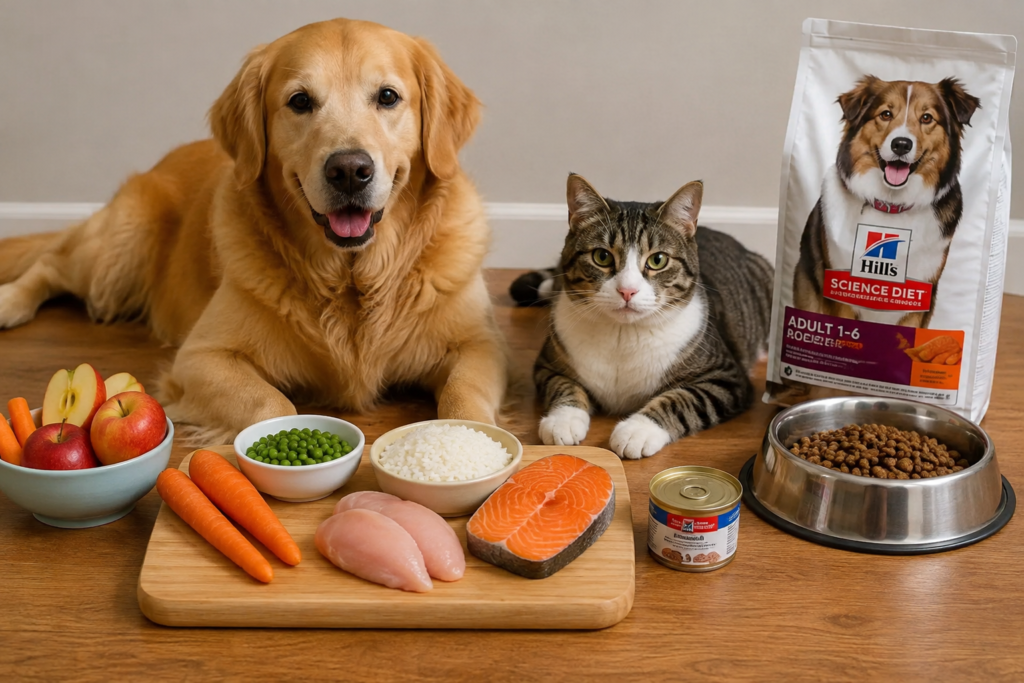
Treats can be a useful part of training and bonding with your pet, but they should not replace a balanced diet. Choose treats that are appropriate for your pet’s species and size.
Small portions are usually better than large treats. You can also ask your veterinarian about healthy treat options for your pet.
Avoid giving your pet table scraps simply because they are begging. Some human foods are unhealthy or even dangerous for animals.
Foods Pets Should Avoid
Pet owners should know which human foods can be dangerous. Chocolate, onions, garlic, grapes, raisins, alcohol, and products containing xylitol can be harmful to dogs and cats. Bones can also cause problems, especially when they break into sharp pieces.
Do not assume that a food is safe simply because humans can eat it. Pets have different digestive systems and nutritional requirements.
If your pet accidentally eats something potentially harmful, contact a veterinarian or an animal poison service as soon as possible for professional advice.
Homemade Pet Food
Some pet owners prefer preparing homemade food for their pets. While homemade diets can be possible, creating a nutritionally complete diet is not as simple as mixing meat with rice or vegetables.
Pets need the correct balance of many nutrients. A homemade diet that is missing important vitamins or minerals can cause health problems over time.
If you want to feed homemade food regularly, speak with a veterinarian or a veterinary nutrition professional. They can help you create a diet that meets your pet’s nutritional needs.
Importance of Fresh Water
Fresh water is one of the simplest but most important parts of pet care. Your pet should have access to clean drinking water throughout the day.
Wash water bowls regularly and refill them with fresh water. Some pets drink more than others, but a sudden increase or decrease in water consumption can sometimes be a sign of a health problem.
If you notice a major change in your pet’s drinking habits, contact your veterinarian.
Common Pet Nutrition Mistakes
One common mistake is giving too many treats. Treats may seem small, but frequent snacks can add many extra calories.
Another mistake is changing food too quickly. A sudden change in diet can sometimes cause digestive problems. If you need to change your pet’s food, gradually mix the new food with the old food over several days unless your veterinarian recommends another approach.
Some owners also choose food based only on price or packaging. Instead, focus on the nutritional quality and whether the food is appropriate for your pet.
When to Talk to a Veterinarian
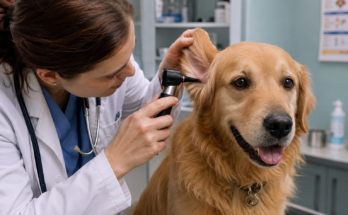
Your veterinarian can be an important source of information about pet nutrition. You should ask for professional advice if your pet has allergies, digestive problems, unusual weight changes, low appetite, or another health concern.
A veterinarian can also help you create a feeding plan for pets with special dietary requirements. This can be especially important for pets with certain medical conditions.
Regular checkups allow your veterinarian to monitor your pet’s weight and overall health and make nutritional recommendations when necessary.
Final Thoughts
Good pet nutrition is one of the foundations of a healthy and happy life. Beginners do not need to become nutrition experts overnight. Start by choosing a complete and balanced pet food that is suitable for your pet’s species and life stage. Feed the correct portions, provide fresh water, limit treats, and avoid foods that can be harmful.
Remember that every pet is different. Their nutritional needs can depend on age, size, activity level, lifestyle, and overall health. If you are ever unsure about your pet’s diet, asking a veterinarian is one of the best choices you can make.
With the right food, proper portions, fresh water, and regular health care, you can give your pet a strong nutritional foundation. Good nutrition is not only about filling your pet’s bowl. It is about giving them the nutrients they need to stay active, comfortable, and healthy for years to come.