Keeping your pet’s teeth healthy is an important part of caring for their overall health. Many pet owners focus on food, exercise, vaccinations, and regular vet visits but forget about dental care. Dogs and cats can also develop plaque, tartar, bad breath, gum problems, and painful dental infections. If these problems are ignored for a long time, they can affect your pet’s comfort and general health.
Good pet dental care does not have to be difficult. With a few simple habits at home and regular veterinary checkups, you can help keep your pet’s teeth clean and their gums healthy. In this guide, we will discuss the best ways to maintain healthy teeth in dogs and cats.
Why Pet Dental Health Is Important
Dental health is an important part of your pet’s overall wellbeing. When your pet eats, small amounts of food and bacteria can remain on the teeth. Over time, these bacteria can form a sticky layer called plaque. If plaque is not removed, it can become hard tartar.
Tartar can irritate the gums and cause inflammation. This condition is often called gingivitis. If dental disease continues without treatment, it may lead to gum infections, loose teeth, tooth loss, and significant pain.
Dental problems can also make it difficult for your pet to eat normally. Some pets may continue eating even when their mouth hurts, so owners may not notice the problem immediately. This is why regular dental care is important even when your pet appears healthy.
Brush Your Pet’s Teeth Regularly
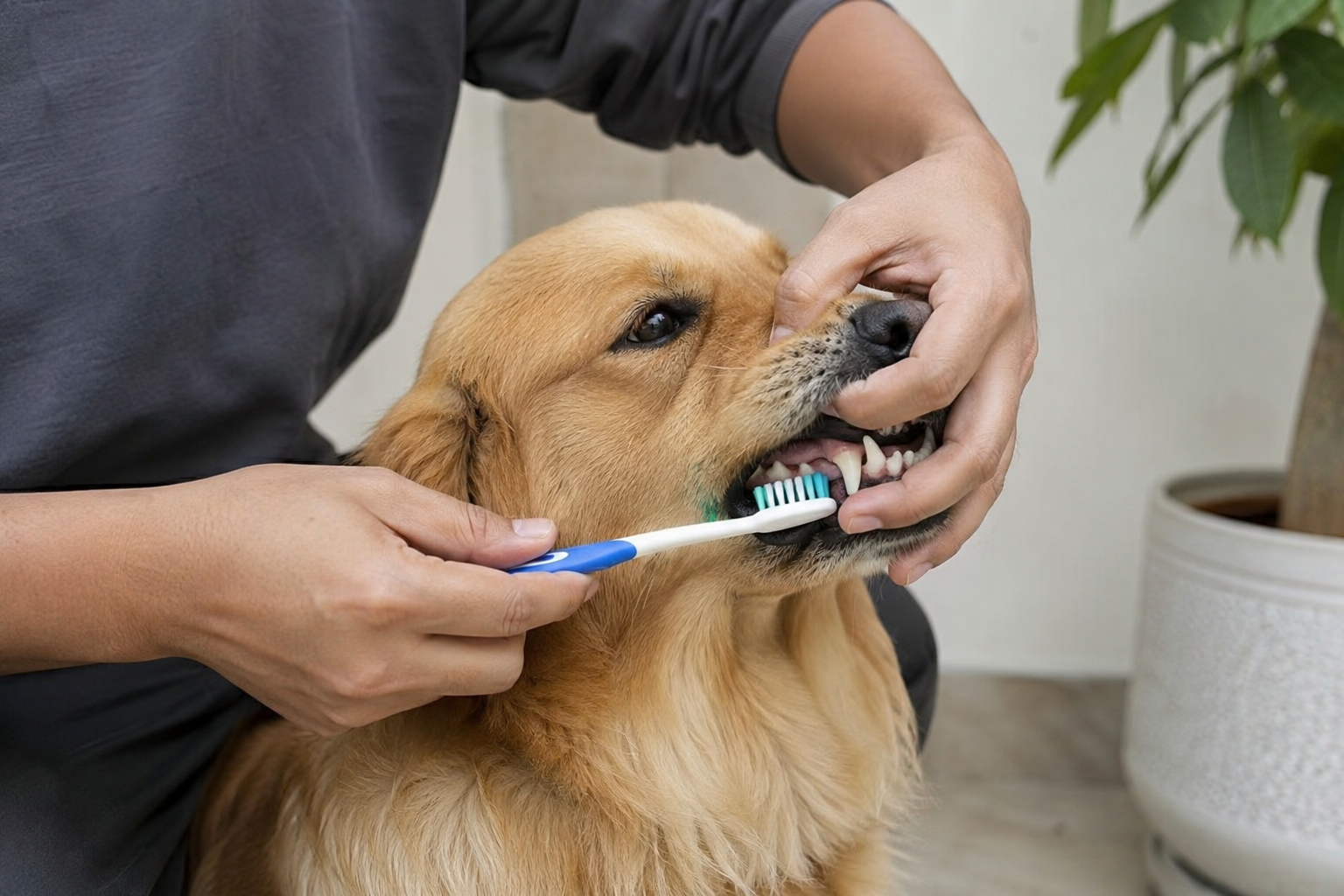
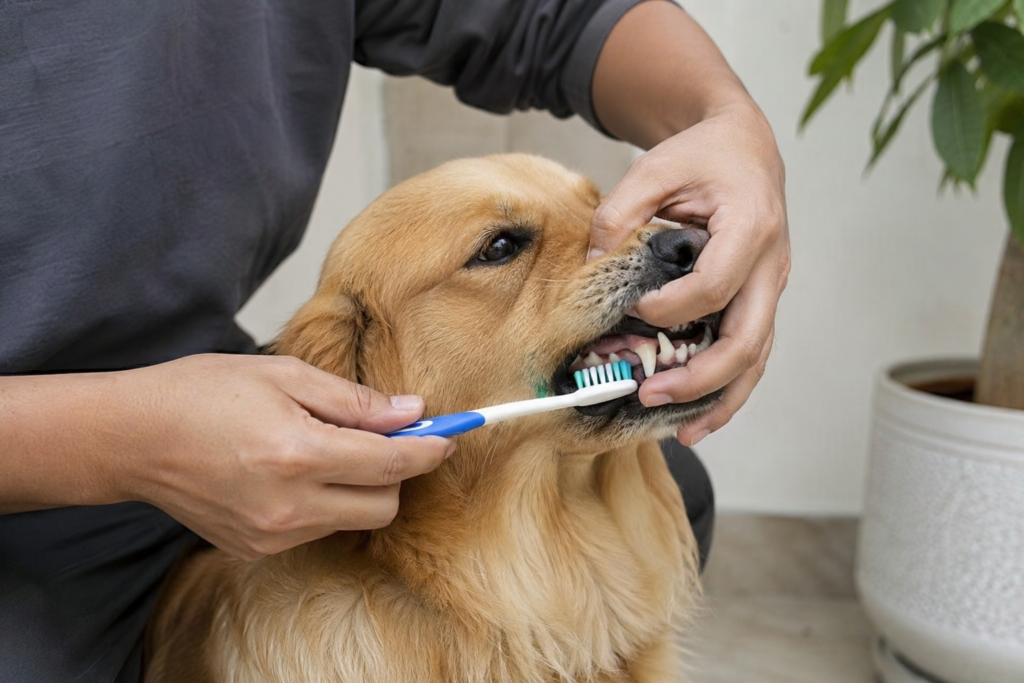
One of the best ways to keep your pet’s teeth healthy is regular tooth brushing. Brushing helps remove plaque before it becomes tartar. Ideally, you should brush your pet’s teeth every day, but brushing several times a week can still be helpful.
Always use a toothbrush made specifically for pets. Pet toothbrushes are designed to fit comfortably in a dog’s or cat’s mouth. You should also use pet toothpaste because human toothpaste may contain ingredients that are not safe for animals.
Start slowly if your pet is not used to having their mouth touched. Let them smell and taste a small amount of pet toothpaste first. Once they become comfortable, gently rub their teeth and gums with your finger. Later, introduce the toothbrush and brush gently.
Do not force your pet if they become scared or aggressive. Dental care should become a calm and positive routine.
Choose the Right Pet Toothpaste
Using the right toothpaste is an important part of pet dental care. Never use regular human toothpaste for your dog or cat. Pets cannot rinse and spit toothpaste like humans do, so they may swallow it.
Pet toothpaste comes in different flavors that animals often enjoy. Some products are made with flavors such as chicken or beef to make brushing easier.
Choose a toothpaste that is specifically made for pets and follow your veterinarian’s recommendations if your pet has existing dental problems.
Give Dental Chews Carefully
Dental chews can be useful for maintaining your pet’s oral health. Some dental treats are designed to help reduce plaque and tartar as your pet chews. They can also provide an enjoyable activity.
However, not every chew is safe or effective. Very hard objects can damage or break your pet’s teeth. Avoid giving your pet extremely hard bones, antlers, or other objects that cannot bend or break easily.
Choose dental chews that are appropriate for your pet’s size and age. Always supervise your pet while they are chewing, especially when trying a new product.
Dental chews should support regular dental care, not replace tooth brushing and veterinary checkups.
Provide Fresh Drinking Water
Fresh water is important for your pet’s general health and can also support good oral hygiene. Make sure your dog or cat has access to clean drinking water throughout the day.
Change the water regularly and wash the bowl to prevent bacteria and dirt from building up. A clean water bowl encourages your pet to drink and helps maintain better overall hygiene.
Some pets may prefer running water, so a pet water fountain can be useful if your animal does not drink enough from a normal bowl.
Feed a Balanced Diet
Your pet’s diet plays an important role in their overall health, including their teeth and gums. A balanced diet provides the nutrients needed to support healthy teeth, bones, gums, and the immune system.
Some pet foods are specially designed to support dental health. Certain dry foods have a texture that can help reduce some plaque buildup when pets chew them. However, regular dry food should not be considered a replacement for brushing.
Avoid giving your pet too many sugary or unhealthy treats. Treats should make up only a small part of their daily diet.
If you are unsure which food is best for your pet, talk to your veterinarian. They can recommend food based on your pet’s age, size, lifestyle, and health needs.
Check Your Pet’s Teeth at Home
Regularly checking your pet’s mouth can help you notice dental problems early. You do not need to be an expert. Simply look for changes in the teeth, gums, and mouth.
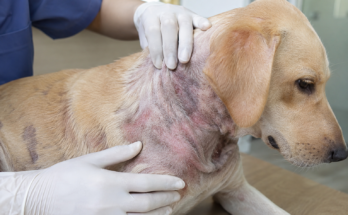
Healthy gums are usually pink, although normal gum color can vary between individual pets. Watch for red, swollen, or bleeding gums. Also look for yellow or brown buildup on the teeth.
Other signs of dental problems include loose teeth, broken teeth, excessive drooling, difficulty chewing, dropping food, or pawing at the mouth.
If your pet suddenly becomes uncomfortable when you touch their face or mouth, this can also be a warning sign.
Pay Attention to Bad Breath
Bad breath is common in pets, but it should not always be considered normal. Strong or unpleasant breath can be a sign of plaque, tartar, gum disease, or an infection.
If your pet’s breath suddenly becomes much worse, check their mouth and contact your veterinarian. Bad breath combined with swollen gums, pain, bleeding, or difficulty eating should receive particular attention.
Regular dental care can help reduce bad breath by controlling the bacteria and buildup that cause it.
Schedule Regular Veterinary Dental Checkups
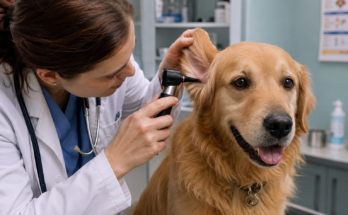
Home dental care is important, but professional veterinary care is also necessary. Your veterinarian can examine your pet’s teeth and gums and identify problems that may not be visible during a quick home check.
During a dental examination, the veterinarian may look for tartar, gum inflammation, damaged teeth, infections, and other oral health problems. If your pet has significant tartar buildup, a professional dental cleaning may be recommended.
Professional cleaning allows the veterinary team to clean areas that are difficult to reach at home. In some cases, dental X rays may also be recommended to check the health of teeth below the gum line.
The frequency of dental checkups depends on your pet’s age, breed, health, and dental condition.
Start Dental Care When Your Pet Is Young
Starting pet dental care early can make the process much easier. Puppies and kittens can gradually learn that having their teeth touched and brushed is a normal part of daily life.
Begin with short sessions and plenty of positive encouragement. You can gently touch your young pet’s mouth, lift the lips, and rub the teeth with a clean finger. Once they are comfortable, introduce a pet toothbrush.
Older pets can also learn dental care, although they may need more time to become comfortable with the routine.
The key is patience. A few minutes of calm dental care can make a big difference over time.
Know the Signs of Dental Disease
Pet owners should know the common signs of dental disease. Some symptoms can be easy to miss because animals often hide pain.
Watch for symptoms such as bad breath, red gums, swollen gums, bleeding gums, yellow or brown tartar, loose teeth, broken teeth, excessive drooling, difficulty eating, chewing on one side, reduced appetite, or pawing at the mouth.
Your pet may also become less playful or more irritable if they are experiencing mouth pain.
If you notice these signs, schedule a veterinary examination. Early treatment can help prevent dental disease from becoming more serious.
Avoid Hard Objects That Can Break Teeth
Many dogs love chewing, but some objects can be too hard for their teeth. Hard bones, antlers, rocks, and extremely hard toys may cause painful tooth fractures.
Instead, choose toys that are designed for safe chewing and are appropriate for your pet’s size. Check toys regularly for damage and replace them when they become broken or too small.
Cats also benefit from safe toys that encourage activity without putting their teeth at unnecessary risk.
Make Dental Care a Daily Habit
The best way to keep your pet’s teeth healthy is to make dental care part of their normal routine. You do not have to do everything at once.
You can start by brushing your pet’s teeth a few times each week. Add safe dental treats when appropriate, provide fresh water, check their mouth regularly, and maintain routine veterinary visits.
Consistency is more important than trying to do everything perfectly. Even small efforts can help reduce plaque buildup and support healthier teeth and gums.
Final Thoughts
Keeping your pet’s teeth healthy is an important responsibility that should not be ignored. Dogs and cats can develop dental disease just like people, and untreated dental problems can cause pain and affect their quality of life.
Regular tooth brushing, safe dental chews, fresh water, a balanced diet, routine mouth checks, and professional veterinary dental care can all support better pet dental health.
The earlier you start, the easier it can be to build a healthy routine. If you notice bad breath, tartar, swollen gums, bleeding, loose teeth, or changes in the way your pet eats, speak with your veterinarian.
Good dental care is not only about having clean teeth. It is about helping your pet stay comfortable, active, and healthy for many years.