Having a pet is a wonderful experience, but keeping your pet healthy is an important responsibility. Many dogs and cats become overweight because they eat more food than they need, get too many treats, or do not get enough exercise. While a little extra weight may not seem like a serious problem, pet obesity can affect your pet’s health and quality of life.
If your pet is overweight, do not try to make them lose weight quickly. Safe weight loss should be slow, controlled, and based on your pet’s individual needs. In this guide, you will learn how to help an overweight pet lose weight safely through better food choices, proper portions, exercise, and regular health checks.
How to Know If Your Pet Is Overweight
The first step is knowing whether your pet is actually overweight. Weight alone does not always tell the full story because healthy weight can be different for every dog and cat.
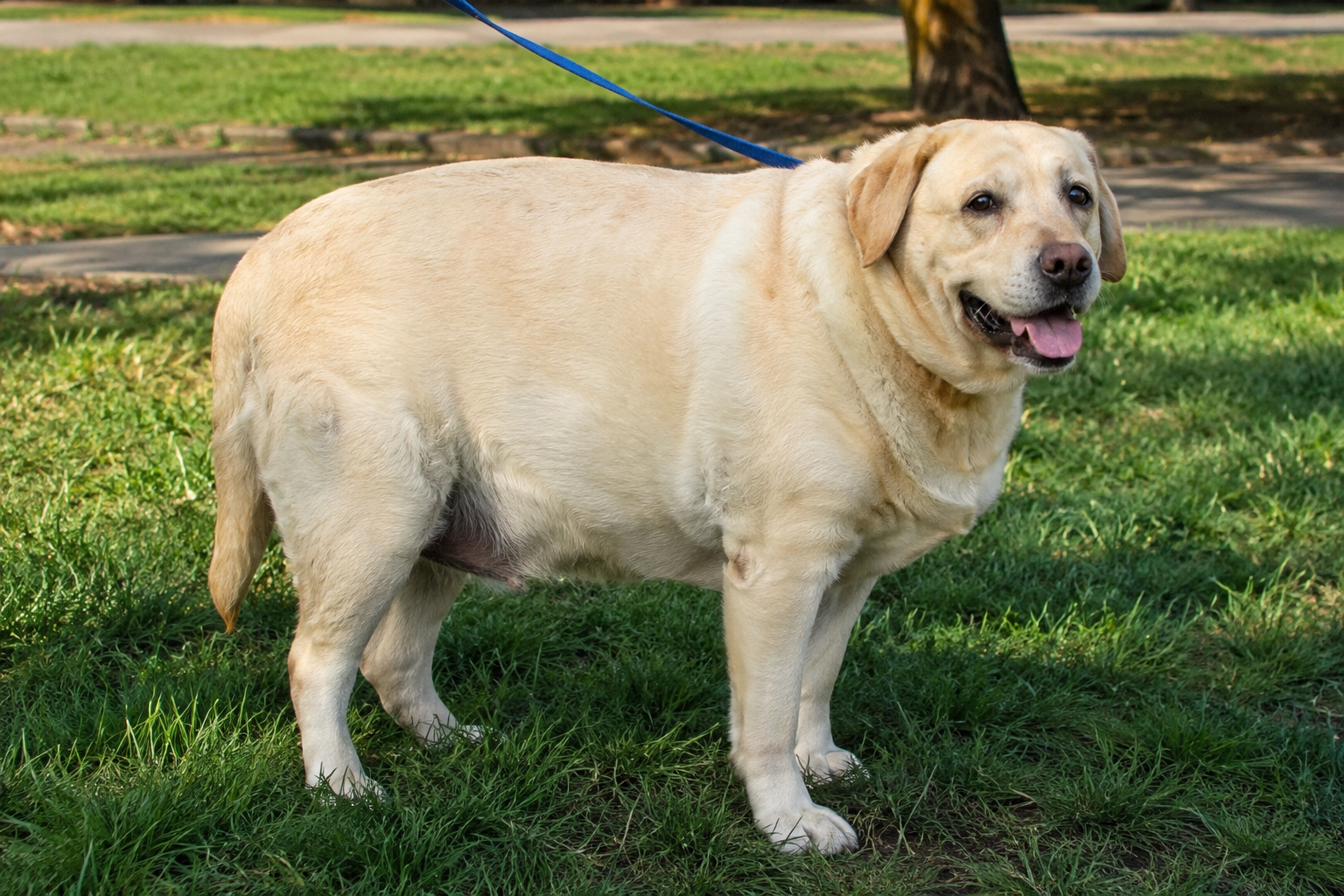
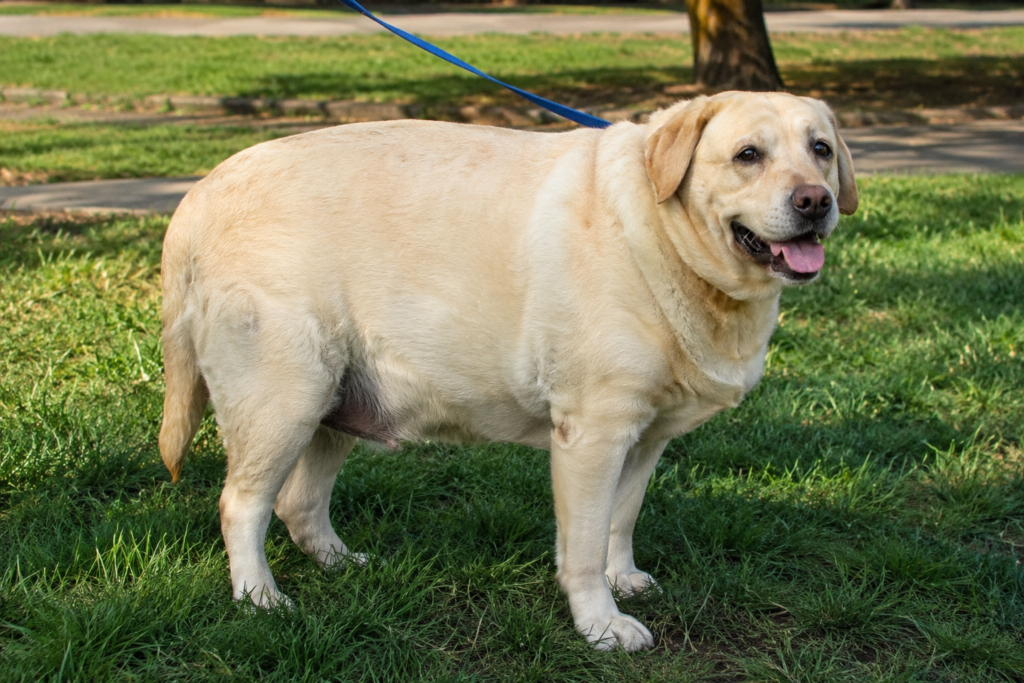
Look at your pet from above. You should be able to see some shape around the waist. When looking from the side, the stomach should normally slope upward toward the back legs. You should also be able to feel the ribs without pressing too hard.
If you cannot easily feel your pet’s ribs or your pet has a very round body with little waist shape, they may be carrying too much weight. However, the best way to know your pet’s ideal weight is to speak with a veterinarian.
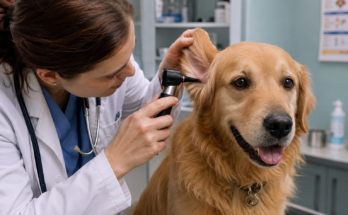
A veterinarian can examine your pet and determine their body condition score. They can also check whether another health problem is contributing to weight gain.
Visit the Veterinarian Before Starting a Weight Loss Plan
Before changing your pet’s diet or exercise routine, it is a good idea to talk with a veterinarian. This is especially important if your pet is significantly overweight, older, or has other health problems.
Your veterinarian can help determine your pet’s healthy weight and recommend a suitable daily calorie intake. They may also check for health conditions that can affect weight, activity, or appetite.
A professional weight loss plan can help you avoid common mistakes. Feeding too little food or making your pet exercise too much too quickly can create health problems.
Safe pet weight loss should always focus on long term health instead of fast results.
Measure Your Pet’s Food Carefully
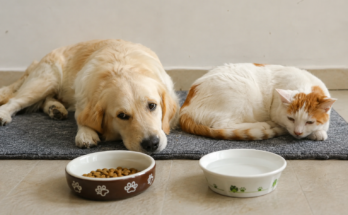
One of the easiest ways to help an overweight pet lose weight is to control portion sizes. Many pet owners simply fill the bowl without measuring the food. This can lead to accidental overfeeding.
Use a proper measuring cup when feeding your pet. Follow the feeding recommendations on the food package, but remember that these recommendations are general guidelines. Your pet may need a different amount depending on their age, size, activity level, and health.
If your veterinarian gives you a specific daily feeding amount, follow that recommendation.
It is also important to count treats as part of your pet’s daily food intake. A few small treats may not seem like much, but several treats every day can add a surprising number of calories.
Choose Healthy Pet Food
Good nutrition is an important part of safe weight loss for pets. A healthy diet should provide the nutrients your dog or cat needs without providing too many calories.
Some pets may benefit from a veterinarian recommended weight management food. These foods are often designed to provide balanced nutrition while helping control calorie intake.
Do not suddenly change your pet’s food unless there is a reason to do so. If you need to switch foods, introduce the new food gradually. This can help reduce the chance of digestive problems.
Always choose pet food that is appropriate for your pet’s species, age, size, and health needs.
Reduce Unnecessary Treats
Treats are one of the biggest reasons pets gain extra weight. Giving your dog a treat every time they look at you can quickly become a daily source of extra calories.
You do not have to stop giving treats completely. Instead, reduce the amount and choose smaller options.
You can also use part of your pet’s normal daily food as a reward during training. This allows your pet to receive something enjoyable without adding too many extra calories.
Avoid sharing large amounts of human food with your pet. Foods such as fatty meats, fried foods, sweets, and other high calorie foods can contribute to weight gain and may also be unhealthy for pets.
Increase Exercise Slowly
Exercise can help your pet burn calories and stay physically and mentally healthy. However, an overweight pet may not be able to exercise for long periods at first.
Start slowly and increase activity over time.
For dogs, short walks can be a good starting point. You can gradually make the walks longer as your dog becomes more comfortable and active. Playing fetch, gentle games, and supervised outdoor activities can also help.
Cats can benefit from interactive toys, short play sessions, climbing areas, and activities that encourage movement. A few short play sessions each day can be easier for a cat than one long exercise session.
If your pet has difficulty walking, breathing, jumping, or moving comfortably, speak with your veterinarian before increasing exercise.
Make Exercise More Interesting
Pets can become bored with the same activity every day. Making exercise fun can encourage them to move more.
For dogs, try changing walking routes or adding simple games. Allow your dog to safely explore new smells during walks because mental stimulation is also valuable.
For cats, use toys that encourage chasing, reaching, and moving. You can also place some of their food in puzzle feeders to make mealtime more active.
The goal is not to force your pet to exercise. Instead, create activities that your pet enjoys and can safely perform.
Keep a Regular Feeding Schedule
A regular feeding schedule can make weight management easier. Instead of leaving food available all day, feed measured portions at specific times if appropriate for your pet.
Free feeding can make it difficult to know how much your pet is eating. Some pets will eat only when hungry, but others may continue eating whenever food is available.
A consistent feeding routine also makes it easier to monitor changes in appetite.
If your pet suddenly becomes extremely hungry or loses interest in food, contact your veterinarian because changes in appetite can sometimes be linked to health problems.
Monitor Your Pet’s Weight
Weight loss should be monitored regularly. Do not depend only on how your pet looks because small changes can be difficult to notice.
Your veterinarian can recommend how often your pet should be weighed. You can also use a pet scale at home if you have access to one.
Keep a simple record of your pet’s weight, food intake, treats, and activity. This can help you understand whether the weight loss plan is working.
If your pet is not losing weight despite following the plan, talk with your veterinarian. The feeding amount or exercise routine may need to be adjusted.
Be Patient With Weight Loss
Safe weight loss takes time. Do not expect your pet to become slim within a few weeks.
Rapid weight loss can be dangerous, especially for cats. Cats that stop eating or lose weight too quickly can develop serious health problems.
Your goal should be gradual and steady progress. Celebrate small improvements such as better movement, increased energy, or a healthier body shape.
Remember that every pet is different. The amount of time needed to reach a healthy weight will depend on your pet’s starting weight, age, breed, activity level, and overall health.
Give Your Pet More Attention Instead of More Food
Many pet owners give food because they want to show love. While treats can be a way to reward a pet, food should not be the only form of affection.
Spend more time playing with your pet, brushing them, taking walks, teaching simple commands, or simply sitting with them.
Dogs and cats often enjoy attention just as much as treats. By replacing some food rewards with affection and play, you can support weight loss without making your pet feel ignored.
Avoid Extreme Pet Weight Loss Methods
Never use extreme diets, starvation, skipped meals, or excessive exercise to make your pet lose weight quickly.
Pets need enough nutrients and calories to maintain their muscles, organs, energy, and overall health.
You should also avoid giving human weight loss products to pets. Medications and supplements that are safe for humans may be dangerous for animals.
If you are concerned about your pet’s weight, always ask a veterinarian for advice instead of trying an extreme method at home.
Help the Whole Family Follow the Plan
A pet weight loss plan will only work if everyone in the home follows the same rules.
If one family member carefully measures food while another person gives extra treats, your pet may continue gaining weight.
Tell everyone how much food and how many treats your pet is allowed to have. Keep treats in one place and track how many have already been given.
Consistency can make a major difference.
Benefits of Healthy Weight Loss for Pets
Helping an overweight pet reach a healthy weight can provide many benefits. Your pet may become more active and comfortable. They may have an easier time walking, playing, climbing, and moving around the home.
Maintaining a healthy weight can also reduce stress on the body and support better overall health.
Most importantly, healthy weight management can help improve your pet’s quality of life. A pet that can move comfortably and enjoy daily activities is more likely to stay happy and active.
Final Thoughts
Helping an overweight pet lose weight safely requires patience, consistency, and proper planning. The best approach is not to feed your pet as little as possible. Instead, focus on balanced nutrition, measured portions, fewer unnecessary treats, regular exercise, and routine weight monitoring.
Start by speaking with your veterinarian and finding out your pet’s healthy weight. Then create a realistic plan that fits your pet’s age, health, lifestyle, and daily routine.
Small changes can make a big difference over time. With the right diet, proper exercise, and plenty of love and attention, you can help your overweight pet become healthier, more active, and happier.
Remember that healthy weight loss is a gradual process. Stay patient, follow professional advice, and give your pet plenty of encouragement along the way. Your effort today can help your pet enjoy a healthier and more comfortable life for years to come.