Ear problems are very common in pets, especially in dogs and cats. Many pet owners notice their animal scratching the ears, shaking the head, or rubbing the side of the face against furniture. These signs may look small at first, but they can sometimes point to an ear infection, allergies, parasites, or another health problem.
Knowing the common ear problems in pets can help you notice changes early and get the right treatment. Healthy ears should not have a strong smell, unusual discharge, swelling, or constant redness. If your pet is showing these signs, it is a good idea to pay attention and speak with a veterinarian.
Why Do Pets Get Ear Problems?
Pets can develop ear problems for many different reasons. Dogs with floppy ears can be more likely to have ear issues because their ears can hold moisture and reduce air circulation. Pets that spend a lot of time outdoors or in water may also have a higher chance of developing ear infections.
Allergies are another common cause. Some pets are sensitive to certain foods, pollen, dust, or other environmental substances. Allergies can make the skin inside the ears irritated and may lead to repeated infections.
Ear mites, bacteria, yeast, foreign objects, and excessive moisture can also cause problems. In some cases, an ear problem can become worse because a pet keeps scratching or shaking the head.
1. Ear Infections
Ear infections are among the most common ear problems in dogs and cats. An ear infection can affect the outer ear, middle ear, or inner ear. Outer ear infections are especially common and are often noticed because of redness, odor, discharge, or constant scratching.
Bacterial and yeast infections are common causes of ear infections. A pet may shake the head frequently or hold one ear differently from the other. Some pets may also become uncomfortable when their ears are touched.
Treatment depends on the cause of the infection. A veterinarian may examine the ear and test a sample of the discharge to find out whether bacteria, yeast, or another problem is present. Treatment may include prescribed ear medication or other medicine.
It is important not to use random ear drops without professional advice because the wrong product may make the problem worse.
2. Ear Mites
Ear mites are tiny parasites that can live inside the ears of pets. They are particularly common in cats, although dogs can also develop them. Ear mites can cause intense itching and irritation.
A pet with ear mites may scratch the ears frequently and shake the head. Dark, dry material that looks similar to coffee grounds may also be found inside the ear.
Because ear mites are contagious between animals, other pets in the household may also need to be checked. A veterinarian can confirm the problem and recommend an appropriate treatment.
Keeping your pet’s sleeping area clean can also help reduce the chance of reinfestation.
3. Allergies and Ear Problems
Allergies can play a major role in repeated ear problems. Some pets develop allergies to environmental factors such as pollen, dust, or mold. Others may react to certain ingredients in their food.
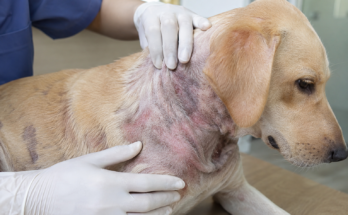
When a pet has an allergy, the skin can become itchy and inflamed. This irritation can affect the ears and create an environment where yeast or bacteria can grow more easily.
If your pet keeps getting ear infections, allergies may be one possible reason. A veterinarian can help identify the underlying cause and suggest ways to manage the problem.
Treating only the infection may provide temporary relief, but the ear problem can return if the underlying allergy is not managed.
4. Excessive Ear Wax
Some ear wax is normal and helps protect the ear. However, too much wax can become a problem. Excessive ear wax may block the ear canal, trap moisture, and encourage the growth of bacteria or yeast.
You may notice a thick buildup inside your pet’s ears. Your pet may also scratch the ears or shake the head more than usual.
Regularly checking your pet’s ears can help you notice excessive wax early. However, avoid putting cotton swabs deep inside the ear because they can push wax farther into the ear canal or cause injury.
5. Foreign Objects in the Ear
Pets that spend time outside can sometimes get grass seeds, small pieces of plants, dirt, or other objects stuck inside their ears. This can be very uncomfortable and may cause sudden scratching or head shaking.
A pet with a foreign object in the ear may suddenly become upset or repeatedly rub one side of the face. The ear may also become red or swollen.
Do not try to remove a deeply stuck object yourself. The ear canal is delicate, and attempting to pull something out can cause damage. A veterinarian can safely examine the ear and remove the object when necessary.
6. Hematoma of the Ear
An ear hematoma happens when blood collects inside the ear flap. It can occur after repeated scratching or strong head shaking. The ear may become swollen and feel soft or warm.
The swelling can appear suddenly and may make the ear flap look thicker than normal. Ear hematomas are often connected to another problem, such as an ear infection, allergy, or parasite infestation.
Veterinary treatment is important because the swelling may not heal properly on its own. Treating the underlying ear problem is also important to reduce the chance of the hematoma happening again.
7. Ear Canal Inflammation
Inflammation of the ear canal is another common problem in pets. The medical term for inflammation of the outer ear canal is otitis externa.
Pets with an inflamed ear canal may have redness, itching, swelling, odor, and discharge. The condition can be caused by infections, allergies, parasites, moisture, or other irritation.
Early treatment can help prevent the inflammation from becoming more serious. If the ear canal becomes very swollen, medication may have difficulty reaching the affected area, which can make treatment more difficult.
8. Middle and Inner Ear Problems
Problems affecting the middle or inner ear can be more serious than simple outer ear irritation. These problems may affect a pet’s balance and hearing.
A pet with a deeper ear problem may tilt its head, walk strangely, lose balance, or seem confused. Some pets may also show changes in their eye movements.
These signs should be taken seriously. Middle and inner ear conditions require veterinary attention because untreated problems can sometimes lead to long term complications.
Signs of Ear Problems in Pets
Pet owners should regularly look for changes in their animal’s ears. Common signs of ear problems include frequent head shaking, scratching around the ears, redness, swelling, bad odor, unusual discharge, excessive wax, and sensitivity when the ears are touched.
Some pets may become less active or irritable because of discomfort. Others may rub their ears against furniture or the floor.
A head tilt, loss of balance, or sudden hearing changes can indicate a more serious problem and should not be ignored.
How Are Ear Problems Diagnosed?
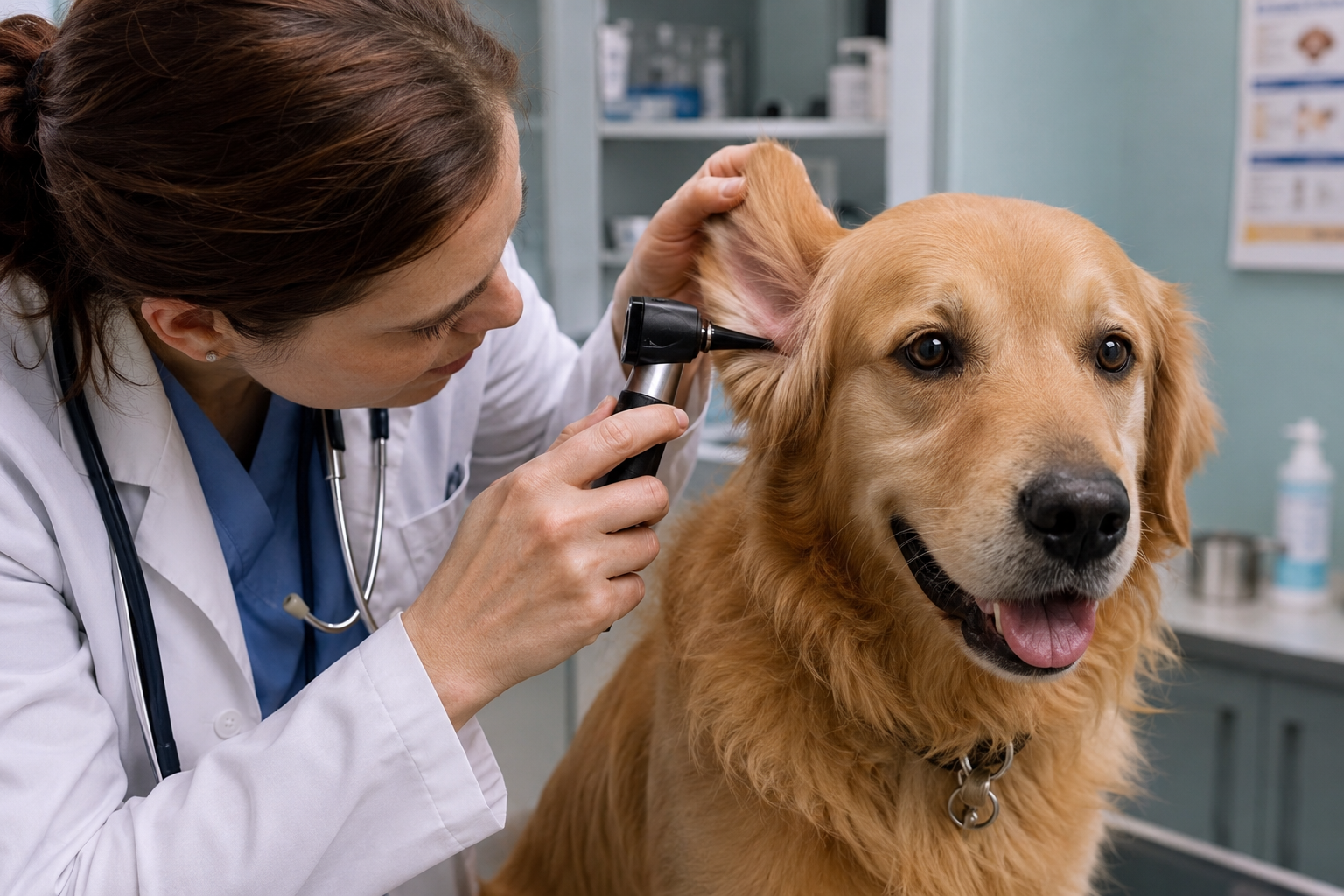
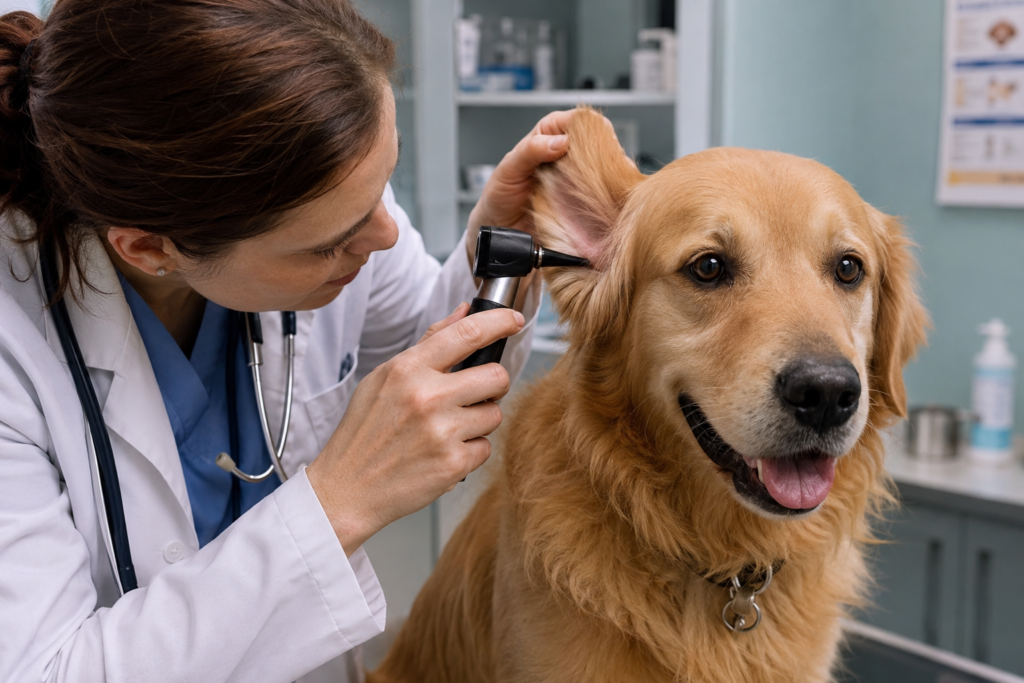
A veterinarian usually begins by examining the outside and inside of the ear. Depending on the symptoms, the veterinarian may use an otoscope to look deeper into the ear canal.
A sample of ear discharge may also be examined under a microscope. This can help identify yeast, bacteria, parasites, or other causes.
Finding the correct cause is important because different ear problems require different treatments. An ear infection caused by yeast does not necessarily need the same treatment as one caused by bacteria or parasites.
How to Prevent Ear Problems in Pets
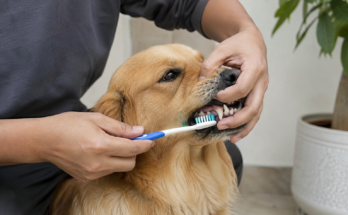
Good ear care can help reduce the risk of many common ear problems. Check your pet’s ears regularly for redness, unusual smell, discharge, or excessive wax.
Keep the ears dry, especially after swimming or bathing. If your pet has long or floppy ears, regular checks may be especially important.
Do not clean your pet’s ears too often unless your veterinarian recommends it. Overcleaning can irritate the sensitive skin inside the ear and may create additional problems.
Use only ear cleaning products recommended for pets. Never put household products or human medicines inside your pet’s ears without veterinary advice.
Good control of fleas, ticks, and other parasites can also help protect your pet’s ears.
When Should You See a Veterinarian?
You should contact a veterinarian if your pet has persistent itching, frequent head shaking, bad smelling ears, discharge, swelling, or obvious pain. A sudden head tilt, balance problem, or change in hearing should receive prompt veterinary attention.
It is better to have an ear problem checked early rather than waiting until the symptoms become severe. Ear problems can become painful and more difficult to treat when they are ignored.
Final Thoughts
Common ear problems in pets include ear infections, ear mites, allergies, excessive wax, foreign objects, hematomas, and inflammation. Many of these conditions can cause similar symptoms, so it is not always possible to know the exact cause just by looking at the ear.
Regular ear checks, good hygiene, parasite prevention, and proper veterinary care can help keep your pet’s ears healthy. If you notice unusual odor, discharge, redness, swelling, or repeated scratching, do not ignore it.
Healthy ears are an important part of your pet’s overall health and comfort. Paying attention to small changes can help you find problems early and give your pet a better chance of staying happy and comfortable.