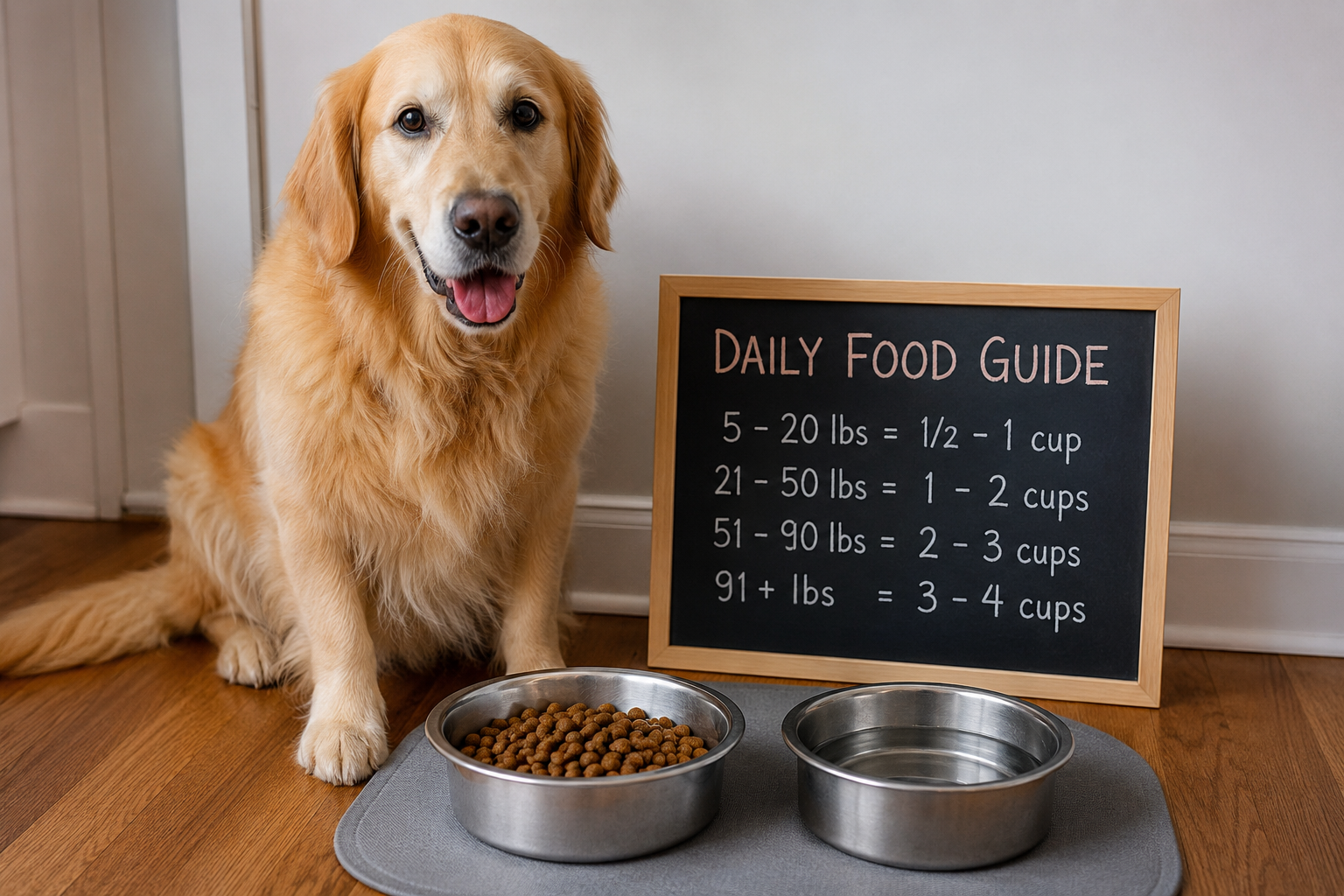
Knowing how much food your pet should eat each day is an important part of responsible pet care. Many pet owners give food based on what their pet seems to want, but this can sometimes lead to overfeeding and weight gain. On the other hand, giving too little food can prevent your pet from getting the nutrients and energy needed for a healthy life.
The right amount of pet food depends on several things, including your pet’s age, size, breed, activity level, health condition, and the type of food you are feeding. Every pet is different, so there is no single feeding amount that works for every dog or cat.
In this guide, we will explain how to determine the right daily food amount for your pet and how to create a healthy feeding routine.
Why the Right Amount of Pet Food Matters
Feeding your pet the correct amount helps maintain a healthy body weight and supports overall health. Too much food can cause obesity, while too little food can result in poor nutrition and low energy.
Pet obesity is becoming a common concern because many animals receive more calories than they actually need. Extra treats, table food, and large meal portions can quickly increase daily calorie intake.
A healthy feeding routine can help your pet maintain a suitable weight, stay active, and receive the nutrients needed for strong muscles, healthy bones, and good digestion.
Factors That Affect How Much Your Pet Should Eat
There are several factors to consider when deciding how much food your pet needs each day.
Your Pet’s Age
Age has a major effect on feeding requirements. Puppies and kittens usually need more calories compared with adult pets because they are growing quickly. They also often need to eat more frequently.
Adult pets generally need a stable amount of food based on their size and activity level. Senior pets may need fewer calories because they often become less active as they get older.
However, senior pets can have special nutritional needs, so it is important to choose food that is suitable for their age and health condition.
Your Pet’s Size
A small dog naturally needs less food than a large dog. The same applies to cats and other household pets.
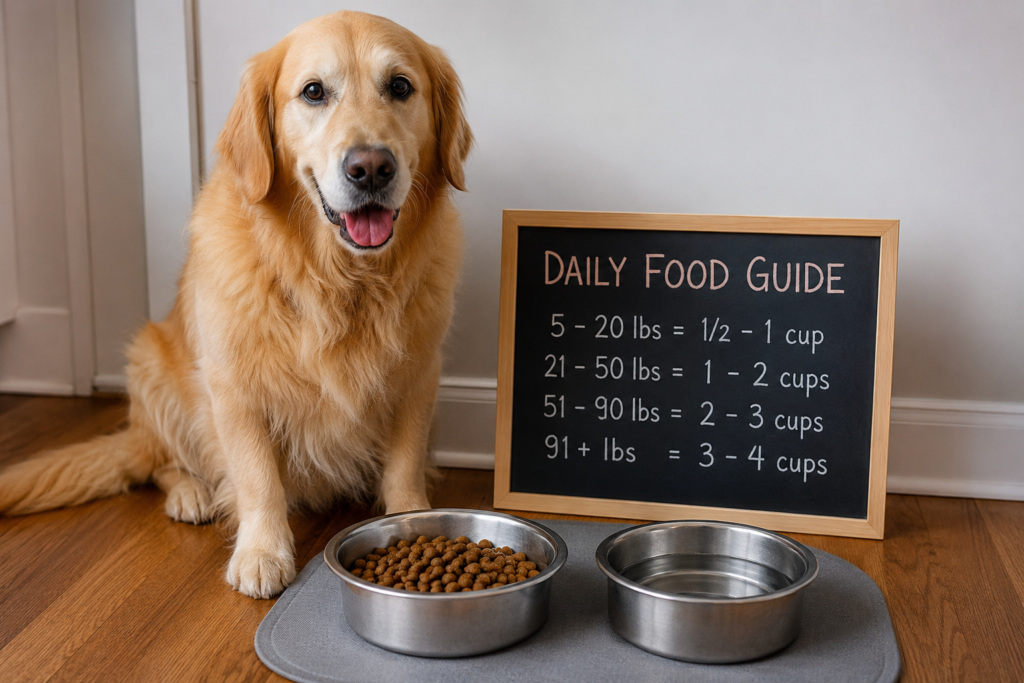
Most commercial pet food packages provide feeding guidelines based on body weight. These guidelines can be a useful starting point, but they are not perfect for every animal.
Two pets of the same weight may need different amounts of food because their activity levels and metabolism can be different.
Activity Level
An active pet usually needs more calories than a pet that spends most of the day resting.
For example, a working dog or a dog that exercises for several hours every day may need more food than a small dog that takes short walks and spends most of the day indoors.
Cats can also have different activity levels. A playful and active cat may burn more calories than a cat that sleeps most of the day.
You should consider how active your pet is when deciding the right daily food portion.
Check the Feeding Guide on Pet Food
One of the easiest ways to start determining the correct amount of food is to check the feeding guide on the package.
Pet food manufacturers usually provide recommended portions based on your pet’s weight and age. These recommendations are helpful, but you should treat them as a starting point rather than a strict rule.
Watch your pet’s weight and body condition after following the recommended amount. If your pet is gaining unnecessary weight, the portion may need to be reduced. If your pet is losing weight without a reason, the food amount may need to be increased or your pet may need a veterinary checkup.
How Much Should a Dog Eat Each Day?
The amount of food a dog needs depends mainly on its size, age, activity level, and health.
Small dogs usually require smaller portions, while large dogs need more food. Puppies often require several meals throughout the day because their bodies are growing.
An adult dog may do well with one or two meals per day, depending on its individual needs and feeding routine.
Instead of guessing the amount, measure your dog’s food using a proper measuring cup or kitchen scale. Measuring food makes it easier to control portions and maintain a healthy weight.
If your dog receives treats during the day, remember to include those calories in its total daily intake.
How Much Should a Cat Eat Each Day?
Cats also have different food requirements depending on their age, weight, activity level, and health.
An indoor cat that spends most of the day sleeping may need fewer calories than an outdoor cat that regularly moves around and explores.
Cats can be prone to weight gain when they have constant access to food. Free feeding may work for some cats, but portion controlled feeding is often easier when you need to manage your cat’s weight.
Follow the feeding recommendations on your cat food package and adjust the amount based on your cat’s body condition.
If you are unsure about the right portion, ask your veterinarian for guidance.
Wet Food and Dry Food Have Different Calorie Levels
The type of food you feed can also affect how much your pet needs.
Dry pet food usually contains more calories in a smaller amount because it has less water. Wet food contains a much higher percentage of water, so the same volume may contain fewer calories.
This means you should not assume that one cup of dry food is nutritionally equal to one cup of wet food.
Always check the calorie information and feeding instructions on the specific product you are using.
If you feed a combination of wet and dry food, make sure the total daily calories are appropriate for your pet.
Do Treats Count as Food?
Yes, treats count toward your pet’s daily calorie intake.
Many pet owners focus on the amount of regular food but forget about treats. A few treats may not seem like much, but several treats every day can add a significant number of calories.
Try to keep treats limited and choose healthier options when possible. You can also use small pieces of your pet’s regular food as rewards during training.
Avoid giving large amounts of table food because human foods can contain too many calories, salt, fat, or ingredients that are unsafe for pets.
Signs Your Pet May Be Eating Too Much
Weight gain is one of the most obvious signs that your pet may be eating more calories than it needs.
Other signs can include reduced activity, difficulty moving, or an inability to feel the ribs easily under the body fat.
A healthy pet should have a reasonable amount of body fat, but you should still be able to feel the ribs without pressing too hard.
If you notice that your pet is becoming overweight, do not suddenly reduce its food dramatically. Make gradual changes and speak with your veterinarian if you are concerned.
Signs Your Pet May Not Be Eating Enough
Weight loss, low energy, weakness, and a noticeable change in appetite can be signs that your pet is not getting enough food or may have another health problem.
Some pets naturally eat less during certain periods, but a sudden loss of appetite should not be ignored.
If your pet refuses food, loses weight quickly, vomits frequently, or shows other unusual symptoms, contact a veterinarian.
Changes in eating habits can sometimes be related to dental problems, digestive issues, stress, or other health conditions.
Create a Consistent Feeding Schedule
A consistent feeding schedule can make it easier to manage your pet’s food intake.
Try to feed your pet at similar times each day. This can help establish a routine and make it easier to notice changes in appetite.
For dogs, scheduled meals can also make it easier to manage bathroom routines and training.
For cats, regular meal times can help prevent constant eating and make portion control easier.
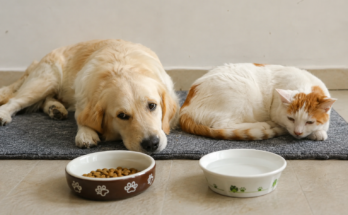
Always provide fresh drinking water throughout the day.
Adjust Food as Your Pet’s Needs Change
Your pet’s food requirements can change over time.
A young puppy will eventually become an adult dog and may need fewer calories per pound as growth slows. Similarly, an active adult pet may become less active with age.
Changes in activity, weight, pregnancy, illness, and certain medications can also affect calorie needs.
For this reason, do not assume that the same food portion will be correct for your pet forever. Check your pet’s weight regularly and adjust the feeding routine when necessary.
Ask Your Veterinarian for Personalized Advice
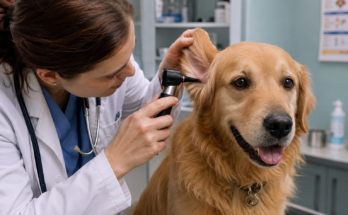
Pet food labels provide useful general information, but your veterinarian can provide advice based on your individual pet.
This is especially important if your pet is overweight, underweight, elderly, pregnant, very active, or dealing with a health condition.
Your veterinarian can help you determine an appropriate calorie intake and recommend suitable food based on your pet’s nutritional needs.
Final Thoughts
Knowing how much food your pet should eat each day is an important part of keeping your pet healthy. The correct amount depends on factors such as age, weight, breed, activity level, health, and the type of food.
Start by checking the feeding guide on your pet food package, measure portions carefully, and monitor your pet’s weight and body condition. Remember that treats and snacks also contribute to daily calories.
Most importantly, pay attention to your pet. Changes in weight, appetite, energy, or eating habits can provide useful clues about their health.
A balanced diet, proper portion control, regular exercise, fresh water, and routine veterinary care can help your pet stay healthy and active for many years. When you are unsure about how much food your pet needs, getting personalized advice from a veterinarian is always a smart choice.