Keeping your pet healthy all year is one of the most important responsibilities of being a pet owner. Whether you have a dog, cat, rabbit, bird, or another companion animal, good health depends on regular care, proper nutrition, exercise, cleanliness, and attention to changes in behavior. Pets cannot tell us when something is wrong, so owners need to understand their daily needs and notice small changes before they become serious problems.
A healthy pet is usually active, comfortable, interested in food, and behaves normally. However, every animal is different, and their health needs can change with age, breed, lifestyle, and environment. By following a simple pet care routine throughout the year, you can help your companion enjoy a longer, happier, and more comfortable life.
Provide a Balanced and Healthy Diet
Proper nutrition is one of the most important parts of keeping your pet healthy. Pets need food that provides the right amount of protein, fats, vitamins, minerals, and other essential nutrients. The best diet depends on the type of pet, age, size, activity level, and individual health needs.
Avoid feeding your pet too many treats or human foods. Some foods that are safe for people can be dangerous for animals. Chocolate, onions, garlic, grapes, raisins, and certain artificial sweeteners can be harmful to dogs and other pets. If you are unsure whether a particular food is safe, it is better to avoid giving it to your pet.
Portion control is also important. Overfeeding can lead to obesity, which may increase the risk of joint problems, diabetes, heart problems, and other health concerns. Follow feeding recommendations and adjust portions when necessary. Fresh drinking water should also be available throughout the day.
Schedule Regular Veterinary Checkups
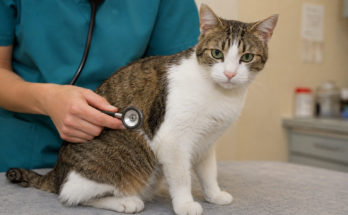
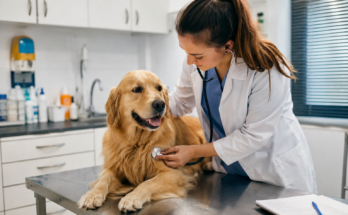
Regular veterinary visits are essential for maintaining good pet health. Even when your pet appears perfectly healthy, routine examinations can help detect problems at an early stage. Some health conditions develop quietly and may not show obvious symptoms until they become more serious.
During a checkup, a veterinarian can examine your pet’s weight, teeth, skin, coat, eyes, ears, heart, and overall condition. Vaccinations may also be recommended depending on your pet’s species, age, lifestyle, and location.
Annual checkups are often a good starting point for healthy adult pets, but some animals may need more frequent visits. Puppies, kittens, senior pets, and animals with ongoing health concerns may require additional care.
Keep Your Pet Active
Regular exercise is important for both physical and mental health. Dogs may benefit from daily walks, play sessions, training activities, and opportunities to explore safe environments. Cats can stay active through toys, climbing areas, scratching posts, and interactive games.
Other pets also need suitable activities. Rabbits may need safe areas to move around, while birds benefit from appropriate toys and supervised activity outside their cage when possible.
Exercise helps maintain a healthy weight and supports strong muscles and joints. It can also reduce boredom and unwanted behavior. The amount of activity your pet needs depends on their age, breed, health, and personality.
Maintain Good Dental Health
Dental care is sometimes forgotten, but it plays an important role in overall pet health. Plaque and tartar can build up on the teeth and may lead to bad breath, gum problems, pain, and infection.
Regularly check your pet’s mouth for unusual swelling, bleeding gums, broken teeth, or a strong unpleasant odor. If your pet allows it, brushing the teeth with products designed specifically for animals can help maintain oral hygiene.
Never use human toothpaste unless a veterinarian specifically recommends it. Some ingredients can be unsafe for pets. Professional dental cleaning may also be necessary for some animals.
Keep Your Pet Clean and Groomed
Regular grooming helps your pet stay comfortable and allows you to notice changes on the skin or body. Brushing can remove loose hair, dirt, and tangles while also helping you check for lumps, parasites, wounds, or irritated areas.
The grooming routine depends on the animal. Long haired dogs and cats may need frequent brushing, while short haired pets may require less grooming. Nails should also be trimmed when they become too long.
Bathing should be done when necessary and with pet safe products. Too many baths can sometimes dry out the skin. If you notice persistent itching, hair loss, redness, or skin irritation, speak with a veterinarian.
Protect Your Pet From Parasites
Parasites can affect pets throughout the year. Fleas, ticks, worms, and other parasites may cause discomfort and can sometimes lead to serious health problems.
Ask your veterinarian about appropriate parasite prevention for your pet. The right product and schedule depend on the animal, age, weight, lifestyle, and local parasite risks.
Check your pet regularly, especially after outdoor activities. Look at areas where parasites may hide, such as around the ears, neck, legs, and between the toes. Keeping your home and pet’s sleeping area clean can also support good hygiene.
Keep Vaccinations and Preventive Care Updated
Vaccinations can protect pets from several serious infectious diseases. Your veterinarian can recommend a vaccination schedule based on your pet’s age, lifestyle, and risk factors.
Preventive care is more than vaccinations. Regular parasite control, dental care, weight monitoring, and health examinations all contribute to long term pet wellness.
Keep a simple record of vaccinations, veterinary visits, medications, and other important health information. This can make it easier to stay organized and discuss your pet’s history with the veterinarian.
Give Your Pet a Safe Home Environment
A safe home is an important part of pet care. Pets are naturally curious, and they may chew, swallow, or interact with things that can hurt them. Keep harmful chemicals, medications, toxic plants, small objects, and unsafe foods away from your pet.
Make sure windows, balconies, doors, fences, cages, and other areas are secure. Pets that spend time outdoors should have protection from traffic, extreme weather, aggressive animals, and other hazards.
Your pet should also have a comfortable place to sleep and relax. Clean bedding and appropriate housing can make a noticeable difference in their comfort and wellbeing.
Pay Attention to Behavioral Changes
Knowing your pet’s normal behavior can help you recognize potential health problems. Changes in appetite, drinking habits, energy levels, sleeping patterns, bathroom habits, or social behavior should not be ignored.
For example, a normally active pet that suddenly becomes very tired may need attention. Similarly, sudden aggression, hiding, excessive vocalization, or loss of interest in normal activities can sometimes indicate discomfort or stress.
Do not wait too long if a change seems unusual or continues for several days. Contact a veterinarian when you are concerned, especially if your pet shows serious symptoms.
Support Your Pet’s Mental Health
Physical health is only one part of keeping a pet healthy. Mental stimulation and emotional wellbeing are also important. Pets can become bored or stressed when they do not receive enough attention, activity, or environmental enrichment.
Spend quality time with your pet every day. Play games, provide suitable toys, practice simple training, or allow safe opportunities for exploration. Cats may enjoy puzzle feeders and interactive toys, while dogs may enjoy scent games and training exercises.
Birds and other intelligent animals may also benefit from rotating safe toys and providing activities that encourage natural behaviors.
Prepare for Seasonal Changes
Different seasons can create different challenges for pets. During hot weather, make sure your pet has access to fresh water, shade, and a cool resting area. Avoid strenuous exercise during the hottest part of the day.
Cold weather can also be difficult for some animals. Provide appropriate shelter and warmth, especially for small, young, elderly, or short haired pets.
Seasonal changes may also affect parasites and allergies. Adjust your pet care routine when necessary and ask your veterinarian for advice if you notice seasonal health problems.
Maintain a Healthy Weight
A healthy weight can improve your pet’s quality of life and reduce the risk of several health problems. You should be able to monitor your pet’s body condition regularly rather than relying only on the number shown on a scale.
If your pet is gaining or losing weight unexpectedly, consider speaking with a veterinarian. Sudden weight changes can sometimes be connected to underlying health problems.
A balanced diet and appropriate exercise are the foundation of healthy weight management. Treats should be given in moderation and included as part of the overall daily food intake.
Build a Consistent Pet Care Routine
Consistency makes pet health care easier. Create a simple routine that includes feeding, exercise, grooming, cleaning, dental care, and observation. A routine also makes it easier to notice when something changes.
You do not need an expensive or complicated system. Even a basic calendar or reminder list can help you remember veterinary appointments, vaccinations, grooming sessions, and parasite prevention.
Most importantly, spend time with your pet every day. When you know how your pet normally looks, behaves, eats, sleeps, and plays, you are more likely to notice when something is different.
Final Thoughts
Keeping your pet healthy all year is about small, consistent efforts rather than one big action. A nutritious diet, regular exercise, veterinary checkups, dental care, grooming, parasite prevention, mental stimulation, and a safe environment can all contribute to better pet health.
Every pet has different needs, so it is important to adjust your care routine according to their species, age, lifestyle, and individual condition. Pay attention to changes and seek professional veterinary advice when something does not seem right.
With proper care, patience, and attention, you can help your pet stay active, comfortable, and happy throughout the year. Good pet health is not only about preventing illness. It is also about giving your companion the best possible quality of life every day.