Choosing the right food for your pet is one of the most important things you can do for their health and happiness. Pets need proper nutrition just like people do. The food you give your dog, cat, bird, or other pet can affect their energy, weight, digestion, skin, coat, and overall health. With so many pet food options available today, choosing the best one can sometimes feel confusing.
Every pet is different. Their food needs depend on their age, size, breed, activity level, health condition, and lifestyle. A food that works well for one pet may not be the right choice for another. Understanding basic pet nutrition can help you make a better decision and provide your pet with the nutrients they need every day.
Understand Your Pet’s Nutritional Needs
The first step in choosing the right pet food is understanding what your pet needs. Dogs and cats have different nutritional requirements, so you should always choose food made specifically for your type of pet.
Age is also important. Puppies and kittens need food that supports growth and development. Adult pets need balanced nutrition to maintain their health and energy. Senior pets may need food that supports healthy joints, digestion, and weight management.
Your pet’s activity level also matters. An active dog that spends a lot of time running and playing may need more calories than a dog that spends most of the day relaxing at home. Feeding the correct amount of food is just as important as choosing good quality food.
Check the Pet Food Ingredients
Reading the ingredient list is one of the best ways to understand what you are feeding your pet. Ingredients are usually listed according to their weight, with the ingredients used in the largest amounts appearing first.
Look for food that provides appropriate sources of protein, carbohydrates, fats, vitamins, and minerals. Protein is especially important for dogs and cats because it supports muscles and other body tissues.
For cats, animal based protein is particularly important because cats have specific nutritional needs that are different from dogs. Dogs can usually eat a wider variety of ingredients, but they still need a balanced diet that provides the nutrients required for good health.
Do not choose pet food based only on attractive packaging or advertising claims. Take some time to read the label and understand what is actually inside the food.
Choose Food According to Your Pet’s Age
Your pet’s age should always be considered when choosing food. Young pets are growing quickly and require nutrition that supports their developing bones, muscles, brain, and immune system.
Puppy and kitten food is generally designed to provide the extra nutrients needed during growth. Adult pet food is designed to maintain normal body condition and energy levels.
Senior pets may have different nutritional needs. Some older pets become less active and may gain weight more easily. Others may need additional support for their joints or digestion. Your veterinarian can help you decide whether your older pet would benefit from a special senior diet.
Feeding food that matches your pet’s life stage can help support healthy development and long term wellbeing.
Consider Your Pet’s Size and Breed
Pet size can also affect food choices. Small dogs often have different calorie and nutrient needs than large dogs. Large breed puppies, for example, may need carefully balanced nutrition because growing too quickly can create problems with their developing bones and joints.
Some pet food brands offer formulas for small, medium, and large breeds. These foods may have different calorie levels and kibble sizes.
Breed can also influence dietary needs. Some breeds may be more likely to gain weight, while others may have sensitive digestion or specific nutritional concerns. However, breed specific food is not always necessary. Your pet’s individual needs should be the main consideration.
Think About Your Pet’s Activity Level
A pet that is highly active usually needs more energy than a pet with a quiet lifestyle. Working dogs, sporting dogs, and pets that exercise regularly may require food with an appropriate calorie level to support their activity.
On the other hand, pets that spend most of their time indoors and do not exercise much can gain weight if they eat too many calories.
Obesity is a common problem in pets and can contribute to several health concerns. Feeding the correct portion and providing regular exercise can help your pet maintain a healthy body weight.
Always follow the feeding instructions on the food package as a starting point, but remember that individual pets may need different amounts.
Pay Attention to Your Pet’s Weight
Your pet’s weight is an important part of choosing the right food. If your pet is gaining too much weight, their current diet may provide more calories than they need.
If your pet is underweight, there may be another reason that needs attention. Simply giving more food is not always the best solution.
Regularly checking your pet’s body condition can help you notice changes early. You should be able to feel your pet’s ribs without seeing them prominently. Your veterinarian can help you determine what a healthy weight looks like for your particular pet.
If your pet experiences sudden weight loss or weight gain, talk to a veterinarian because changes in weight can sometimes be related to health problems.
Consider Food Allergies and Sensitivities
Some pets develop food allergies or sensitivities. Signs can include itchy skin, repeated ear problems, vomiting, diarrhea, excessive licking, or changes in stool.
If you think your pet has a food allergy, do not randomly change their diet several times. It is better to speak with a veterinarian. They may recommend a specific diet or an elimination feeding plan to identify the possible cause.
Limited ingredient pet food may be helpful for some pets, but it should be selected carefully. A food with fewer ingredients is not automatically healthier. The complete nutritional balance of the diet is more important.
Wet Food or Dry Food
Pet owners often wonder whether wet food or dry food is better. Both can be useful when they provide complete and balanced nutrition.
Dry pet food is convenient, easy to store, and simple to measure. It can also be useful for pets that prefer crunchy food.
Wet food contains a high amount of moisture and can be helpful for pets that do not drink enough water. Some pets also find wet food more appealing because of its smell and texture.
Some owners choose to feed a combination of wet and dry food. The best option depends on your pet’s preferences, health needs, and overall diet.
Avoid Giving Too Many Treats
Treats can be a nice way to reward your pet, but they should not replace their regular balanced food. Giving too many treats can lead to excess calories and weight gain.
Choose treats that are appropriate for your pet and give them in reasonable amounts. You can also use small portions of their normal food as rewards during training.
Avoid giving pets human foods without checking whether they are safe. Some common human foods can be dangerous for animals. If you are unsure about a particular food, ask your veterinarian before giving it to your pet.
Consider Your Pet’s Health Conditions
Some pets need special diets because of health conditions. Pets with certain digestive problems, kidney concerns, urinary problems, diabetes, or other medical issues may require specific nutritional management.
Do not choose a therapeutic diet without professional advice. Your veterinarian can assess your pet and recommend an appropriate food if necessary.
A healthy pet may simply need a complete and balanced diet that matches their life stage. A pet with a medical condition may need something more specific.
Change Pet Food Slowly
If you decide to change your pet’s food, avoid making the switch suddenly. A quick change can cause digestive problems such as loose stools, gas, vomiting, or reduced appetite.
A gradual transition is usually easier for pets. You can slowly mix the new food with the old food while increasing the amount of new food over several days.
Watch your pet during the transition. If they develop severe digestive problems or refuse food, contact your veterinarian.
Look for Complete and Balanced Nutrition
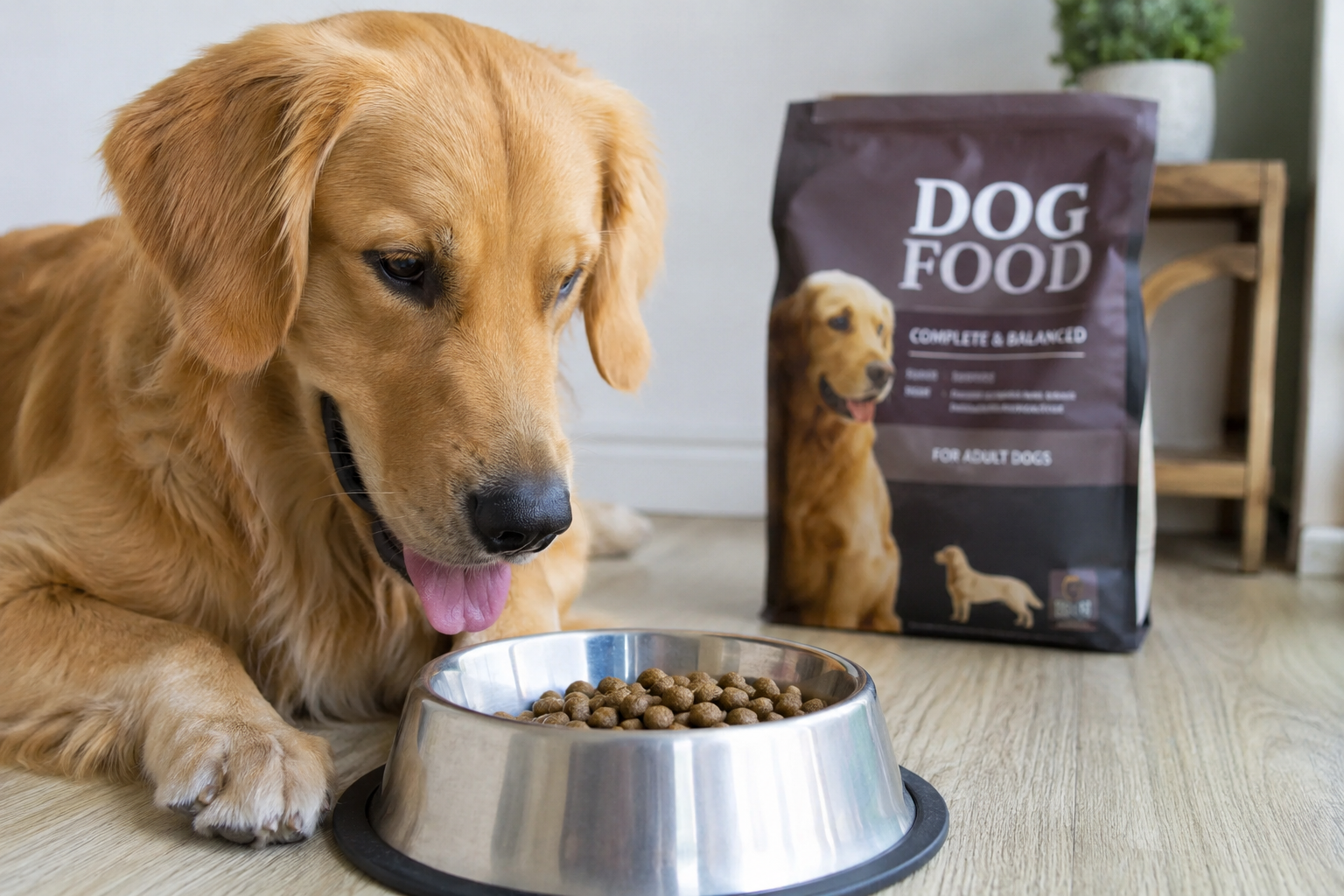
One of the most important things to check when choosing pet food is whether it is complete and balanced for your pet’s life stage.
A complete and balanced diet is designed to provide the essential nutrients your pet needs. This is more important than choosing food simply because it contains a particular trendy ingredient.
Remember that expensive food is not automatically the best food. A higher price does not always mean better nutrition. Focus on nutritional quality, appropriate ingredients, your pet’s needs, and professional guidance when necessary.
Ask Your Veterinarian for Advice
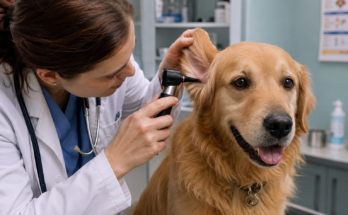
Your veterinarian can be one of your best sources of information when choosing pet food. They understand your pet’s health history and can recommend food based on their age, weight, activity level, and health needs.
If your pet has ongoing digestive problems, skin issues, weight concerns, or changes in appetite, professional advice is especially important.
It is also a good idea to discuss your pet’s diet during regular veterinary visits. Your pet’s nutritional needs can change as they grow older or develop new health concerns.
Final Thoughts
Choosing the right food for your pet does not have to be difficult. Start by understanding your pet’s age, size, activity level, weight, and health needs. Read the food label, check the ingredients, and make sure the diet provides complete and balanced nutrition.
Avoid choosing food only because of advertising or attractive packaging. Pay attention to how your pet responds to their diet and monitor their weight, energy, digestion, skin, and coat.
The best pet food is one that provides the nutrients your pet needs and fits their individual lifestyle. When you are unsure, talking with a veterinarian can help you make a safe and informed choice.
A healthy diet is one of the foundations of good pet health. By taking the time to choose the right pet food, you can help your companion stay active, comfortable, and happy for many years to come.