Keeping your pet at a healthy weight is one of the most important parts of responsible pet care. Many dogs and cats gain extra weight because they eat more food than they need or do not get enough daily activity. At first, a little extra weight may not seem like a serious problem, but being overweight can affect your pet’s health and quality of life.
A healthy weight helps your pet stay active, comfortable, and happy. It can also lower the risk of several health problems. Learning how to maintain a healthy weight in pets does not have to be difficult. With the right food, regular exercise, proper portions, and routine veterinary care, you can help your pet stay healthy for many years.
Why Healthy Weight Matters for Pets
A healthy weight is important for both dogs and cats. When pets carry too much body fat, their joints, heart, and other organs have to work harder. Overweight pets may also become less active because movement becomes uncomfortable.
Maintaining a healthy weight can help your pet move more easily and enjoy everyday activities. It can also support healthy joints, muscles, digestion, and overall energy levels. A pet at a healthy weight is generally better able to play, walk, explore, and interact with the family.
Being overweight can also make existing health problems harder to manage. This is why pet owners should pay attention to weight before the problem becomes serious.
Understand Your Pet’s Ideal Weight
Every pet is different. The ideal weight depends on factors such as breed, age, size, body structure, activity level, and overall health. There is no single weight that is perfect for every dog or cat.
Instead of focusing only on the number shown on a weighing scale, look at your pet’s body shape. You should be able to feel the ribs with a small amount of fat covering them. Your pet should also have a visible waist when viewed from above.
If you are unsure about your pet’s ideal weight, talk to a veterinarian. A veterinarian can examine your pet and recommend a healthy weight range based on individual needs.
Feed the Right Amount of Food
One of the easiest ways to help maintain a healthy weight in pets is to control food portions. Many owners accidentally give their pets too much food because they do not measure each meal.
Pet food packages usually provide feeding recommendations, but these are general guidelines. Your pet may need more or less food depending on age, activity, health, and body condition.
Use a measuring cup when serving food instead of guessing. If your pet gains weight, the daily food amount may need to be adjusted. If your pet loses weight without a clear reason, speak with your veterinarian.
Dividing the daily food amount into regular meals can also make feeding easier. It helps you keep track of how much your pet is eating throughout the day.
Choose Nutritious Pet Food
Good nutrition plays an important role in maintaining a healthy weight. Choose a pet food that provides balanced nutrition and is appropriate for your pet’s age and life stage.
Puppies and kittens have different nutritional needs than adult pets. Older pets may also need a different type of food because their activity level and nutritional requirements can change with age.
Look for pet food that provides quality protein and appropriate levels of fat and calories. If your pet needs to lose weight, your veterinarian may recommend a weight management food designed to provide nutrition while controlling calorie intake.
Remember that expensive food is not always the best choice. The important thing is that the food is complete, balanced, and suitable for your pet.
Be Careful With Pet Treats
Treats are a great way to reward your pet, but too many treats can contribute to weight gain. Many owners forget to include treats when thinking about their pet’s daily calorie intake.
Try to keep treats limited and choose smaller options when possible. You can also use small pieces of suitable vegetables or other healthy foods if they are safe for your pet.
Avoid giving your pet table scraps regularly. Human foods can contain too much fat, salt, sugar, or other ingredients that are not suitable for pets.
If you give treats during training, use very small portions. Your pet does not need a large treat to understand that it has done something right.
Give Your Pet Regular Exercise
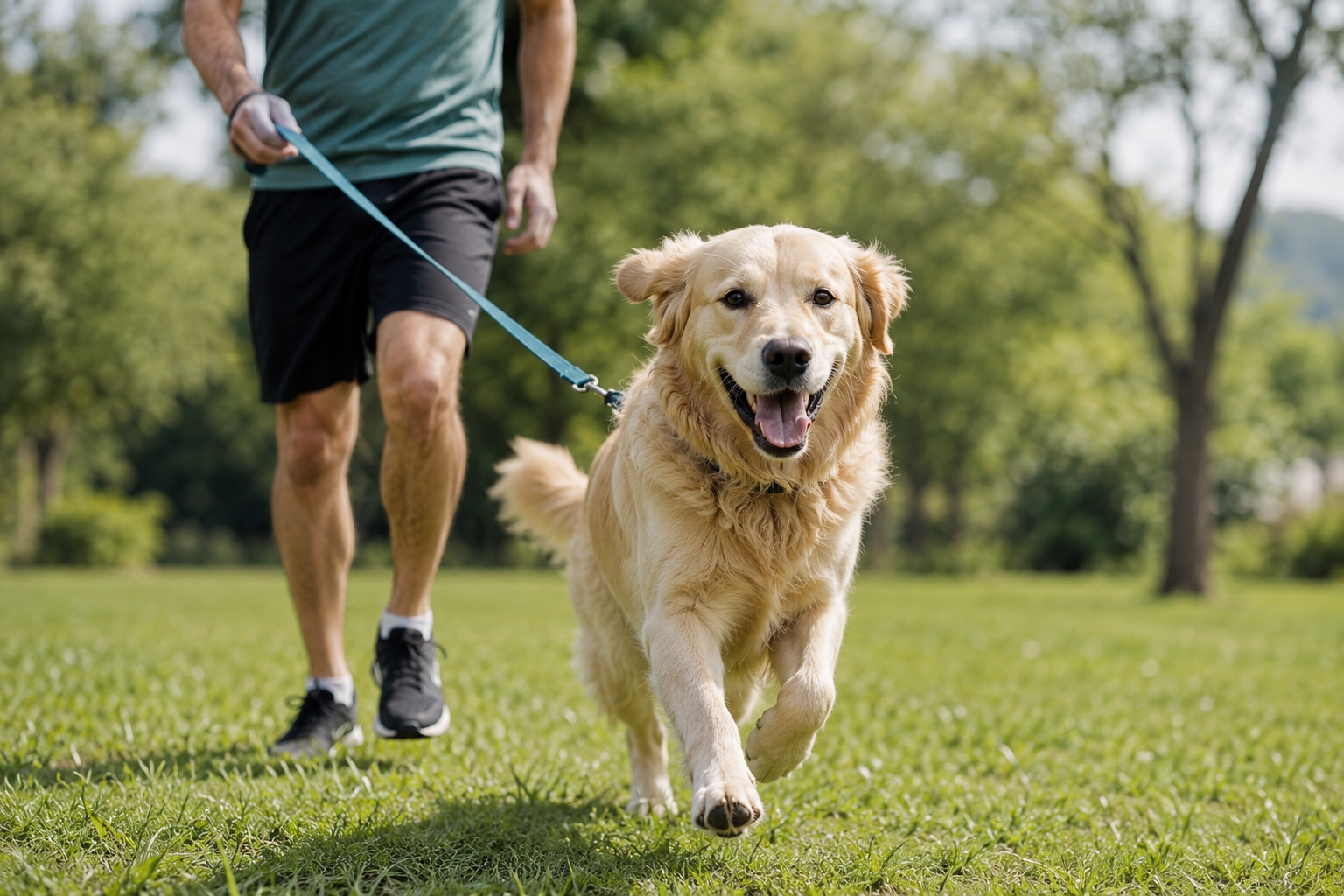
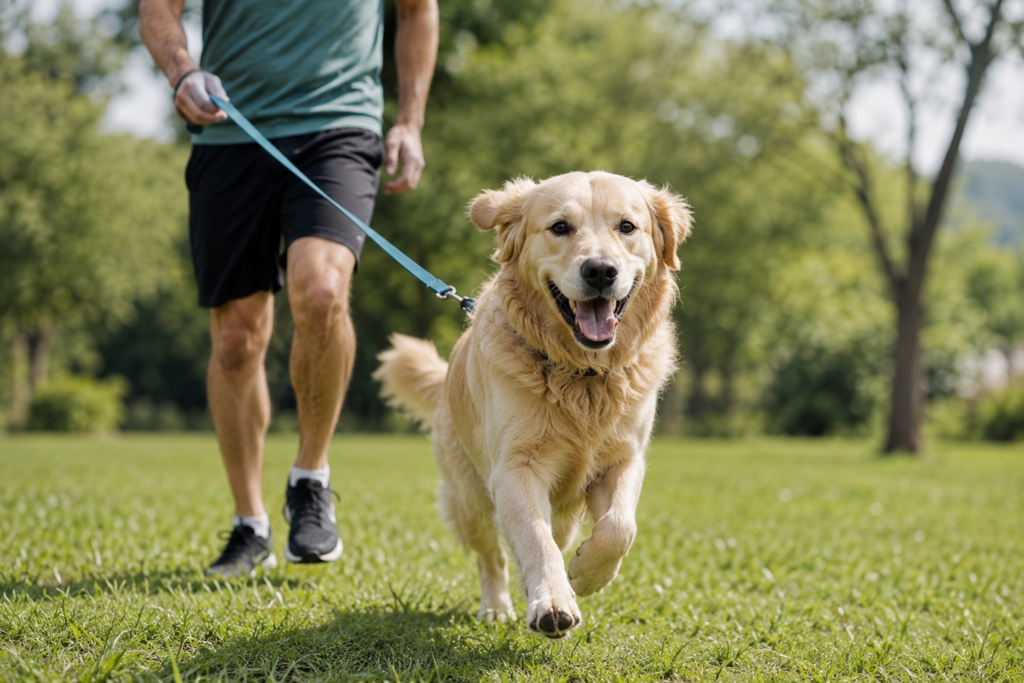
Exercise is another important part of maintaining a healthy weight in pets. Dogs usually benefit from regular walks, playtime, and other physical activities. Cats can stay active through interactive toys, climbing areas, chasing games, and short play sessions.
The amount of exercise your pet needs depends on age, breed, size, health, and energy level. A young active dog may need much more activity than an older dog.
Do not suddenly increase exercise if your pet has been inactive for a long time. Start slowly and increase activity gradually. If your pet has joint problems, breathing difficulties, or other health concerns, ask your veterinarian what type of exercise is appropriate.
Make Exercise Fun
Pets are more likely to stay active when exercise feels like play. You do not always need complicated activities to keep your pet moving.
For dogs, try playing fetch, taking different walking routes, or allowing safe opportunities to explore. You can also use simple training games that involve movement.
For cats, use toys that encourage chasing and jumping. Wand toys, balls, and interactive toys can help indoor cats get more physical activity.
Regular short activities can be very useful. Even a few minutes of active play several times a day can help your pet burn calories and stay mentally stimulated.
Avoid Free Feeding
Leaving food available all day may work for some pets, but it can make weight control difficult. Some dogs and cats are good at controlling how much they eat, while others will continue eating whenever food is available.
Free feeding can make it difficult for owners to know exactly how much their pet has eaten. Scheduled meals make portion control easier and allow you to notice changes in appetite.
If your pet is used to having food available all day, change the routine gradually. Offer measured meals at regular times and remove uneaten food after the recommended feeding period.
Watch Your Pet’s Weight Regularly
Weight management works best when you monitor your pet regularly. You do not have to weigh your pet every day. Checking body condition and weight periodically can help you notice changes early.
Small weight changes may be difficult to see, especially in pets with thick fur. Regular weighing can provide a clearer picture.
For smaller pets, you may be able to use a home scale. Larger dogs may need to be weighed at a veterinary clinic or pet facility.
Keep a simple record of your pet’s weight. If you notice steady weight gain or unexplained weight loss, discuss it with your veterinarian.
Consider Your Pet’s Age and Lifestyle
A pet’s calorie needs can change throughout life. Young pets often need more calories because they are growing and developing. Adult pets may need fewer calories if they have a lower activity level.
Older pets can also become less active. If they continue eating the same amount of food they needed when they were younger, they may slowly gain weight.
Changes in lifestyle can also affect weight. A dog that used to receive long daily walks may gain weight if exercise decreases. Similarly, an indoor cat may need fewer calories than a very active outdoor cat.
Pay attention to these changes and adjust feeding and activity when necessary.
Do Not Ignore Sudden Weight Changes
Weight gain is not always caused by overeating. Some medical conditions can affect a pet’s weight, appetite, energy, or metabolism.
If your pet suddenly gains weight, loses weight, becomes unusually hungry, drinks much more water, or becomes less active, contact a veterinarian. These changes may require professional evaluation.
Never put your pet on a strict diet without veterinary advice. Rapid weight loss can be dangerous, especially for cats. A veterinarian can help create a safe weight management plan.
Create a Healthy Routine
Pets usually do well when they have a consistent daily routine. Feed meals at regular times, provide daily exercise, and keep treats under control.
A routine also makes it easier for you to notice changes. If your pet suddenly refuses food or does not want to exercise, you may recognize the difference because you know what is normal for your pet.
Everyone in the household should follow the same feeding rules. If one family member gives extra treats while another carefully controls portions, maintaining a healthy weight becomes much harder.
Healthy Weight Management for Indoor Pets
Indoor pets can be more likely to gain weight because they may have fewer opportunities to move around. This is especially important for indoor cats.
Create opportunities for movement throughout the day. Use toys, climbing areas, scratching posts, and interactive games to encourage activity.
For dogs, regular walks are important even if they spend most of their time indoors. You can also provide supervised playtime in a safe area.
The goal is to make physical activity a normal part of everyday life.
Regular Veterinary Checkups
Routine veterinary visits are an important part of pet weight management. During a checkup, your veterinarian can assess your pet’s body condition and identify early signs of health problems.
Your veterinarian can also help you decide how much food your pet needs and whether the current diet is suitable. If your pet is overweight, you can work together to create realistic weight loss goals.
Professional guidance is especially important for pets with medical conditions, older pets, and animals that need significant weight loss.
Final Thoughts
Maintaining a healthy weight in pets is not about making your pet look a certain way. It is about helping your dog or cat live a healthier, more comfortable, and active life.
The most important steps are simple. Give your pet the right amount of nutritious food, control treats, provide regular exercise, monitor weight, and schedule routine veterinary checkups.
Small daily habits can make a big difference over time. By paying attention to your pet’s food, activity, and body condition, you can help prevent unhealthy weight gain and support better overall pet health.
A healthy weight can help your pet stay active, enjoy playtime, and remain part of your family for many happy years. Start with small changes, stay consistent, and always ask your veterinarian for advice when you are unsure about your pet’s nutritional or weight management needs.