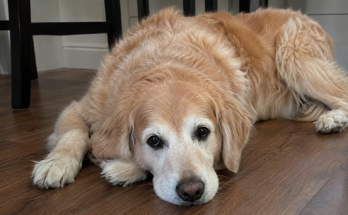
As pets grow older, their bodies naturally start to change. One of the most common problems seen in senior dogs and cats is joint pain. Older pets may not move as quickly as they did when they were young, and sometimes even simple activities like walking, climbing stairs, or jumping onto furniture can become difficult.
Joint problems in older pets can affect their daily life and make them less active. The good news is that many joint conditions can be managed with proper care, regular veterinary visits, healthy food, and a suitable lifestyle. Understanding the signs of joint problems can help pet owners notice changes early and get the right help.
What Are Joint Problems in Older Pets?
Joints are the places where two or more bones meet. They help your pet move, walk, run, jump, and play. Healthy joints have smooth surfaces and protective tissues that allow the bones to move comfortably.
As pets age, the tissues around their joints can become weaker. Cartilage may slowly wear down, muscles can lose strength, and inflammation may develop. These changes can lead to pain and stiffness.
Joint problems in older pets are especially common in dogs and cats that are overweight, have had previous injuries, or have certain genetic conditions. However, even pets that have always been healthy can develop joint problems as they get older.
Arthritis in Older Pets
Arthritis is one of the most common joint problems in senior pets. It happens when the protective cartilage inside a joint becomes damaged or wears away over time. This can cause inflammation, stiffness, and pain.
Arthritis can affect different joints, including the hips, knees, elbows, shoulders, and spine. Some pets may have mild arthritis while others may experience more serious discomfort.
Dogs with arthritis may walk slowly, avoid running, or have trouble getting up after resting. Cats can show different signs. They may stop jumping onto high places, spend more time sleeping, or have difficulty using the litter box.
Although arthritis cannot always be completely cured, treatment can help reduce pain and improve your pet’s quality of life.
Hip and Elbow Problems
Hip and elbow problems can become more noticeable as pets get older. Some dogs develop hip dysplasia when they are young, but the condition may become more painful later in life because of arthritis.
Hip problems can make it difficult for a dog to stand, climb stairs, or walk for long periods. You may notice that your dog is using one leg more than the other or has a different walking style.
Elbow problems can also cause stiffness and pain, especially after exercise or long periods of rest. Older dogs with elbow arthritis may avoid activities that require them to move their front legs frequently.
If you notice these changes, a veterinarian can examine your pet and recommend suitable treatment.
Knee Problems
The knees are important joints that support much of a pet’s body weight. Older dogs may develop knee problems because of previous injuries, arthritis, or weakness in the surrounding muscles.
A common issue is damage to the cranial cruciate ligament. This ligament helps stabilize the knee. When it becomes damaged, a dog may suddenly become lame or avoid putting weight on one leg.
Older dogs may also develop gradual knee stiffness. They may still walk normally but become slower or less interested in playing.
Cats can also develop knee and other joint problems, although their signs can be harder to notice.
Signs of Joint Problems in Older Pets
Pets cannot tell us when they are in pain, so owners need to pay attention to changes in behavior and movement.
Some common signs of joint problems in older pets include difficulty standing up, walking slowly, stiffness after sleeping, limping, avoiding stairs, and reduced interest in playing.
You may also notice that your pet does not jump onto furniture as often. Cats may stop using their favorite sleeping areas because they are too difficult to reach.
Other signs include licking or chewing a painful joint, becoming less social, sleeping more than usual, changes in appetite, and showing irritation when touched.
A pet with joint pain may also have trouble grooming. This is especially noticeable in older cats because grooming is an important part of their normal routine.
Why Weight Matters for Joint Health
Maintaining a healthy weight is one of the most important ways to protect your pet’s joints. Extra body weight puts additional pressure on the hips, knees, elbows, and other joints.
An overweight pet may develop joint problems more quickly and may also experience more discomfort if arthritis is already present.
If your older pet is overweight, talk to your veterinarian about a safe weight management plan. Avoid making sudden changes to your pet’s diet without professional advice.
Portion control, healthy food choices, and suitable exercise can help your pet reach and maintain a healthy weight.
Exercise for Older Pets
It may seem that an older pet with joint pain should avoid exercise completely, but gentle movement can actually be helpful. Regular low impact activity can help maintain muscle strength and flexibility.
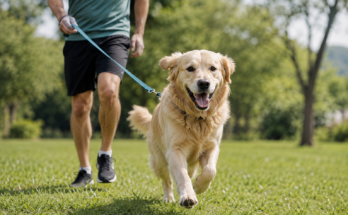
For dogs, short walks may be better than long and exhausting walks. Several short walks during the day can keep your dog moving without putting too much stress on painful joints.
Swimming may also be suitable for some dogs because the water supports the body while allowing movement. However, not every dog enjoys swimming, and pets with certain medical conditions may not be suitable for it.
Cats can benefit from gentle play. Toys that encourage slow movement can help them stay active without forcing them to jump too much.
The right amount of exercise depends on your pet’s age, health, weight, and joint condition. Your veterinarian can help you choose a safe routine.
Make Your Home More Comfortable
Small changes at home can make a big difference for an older pet with joint problems.
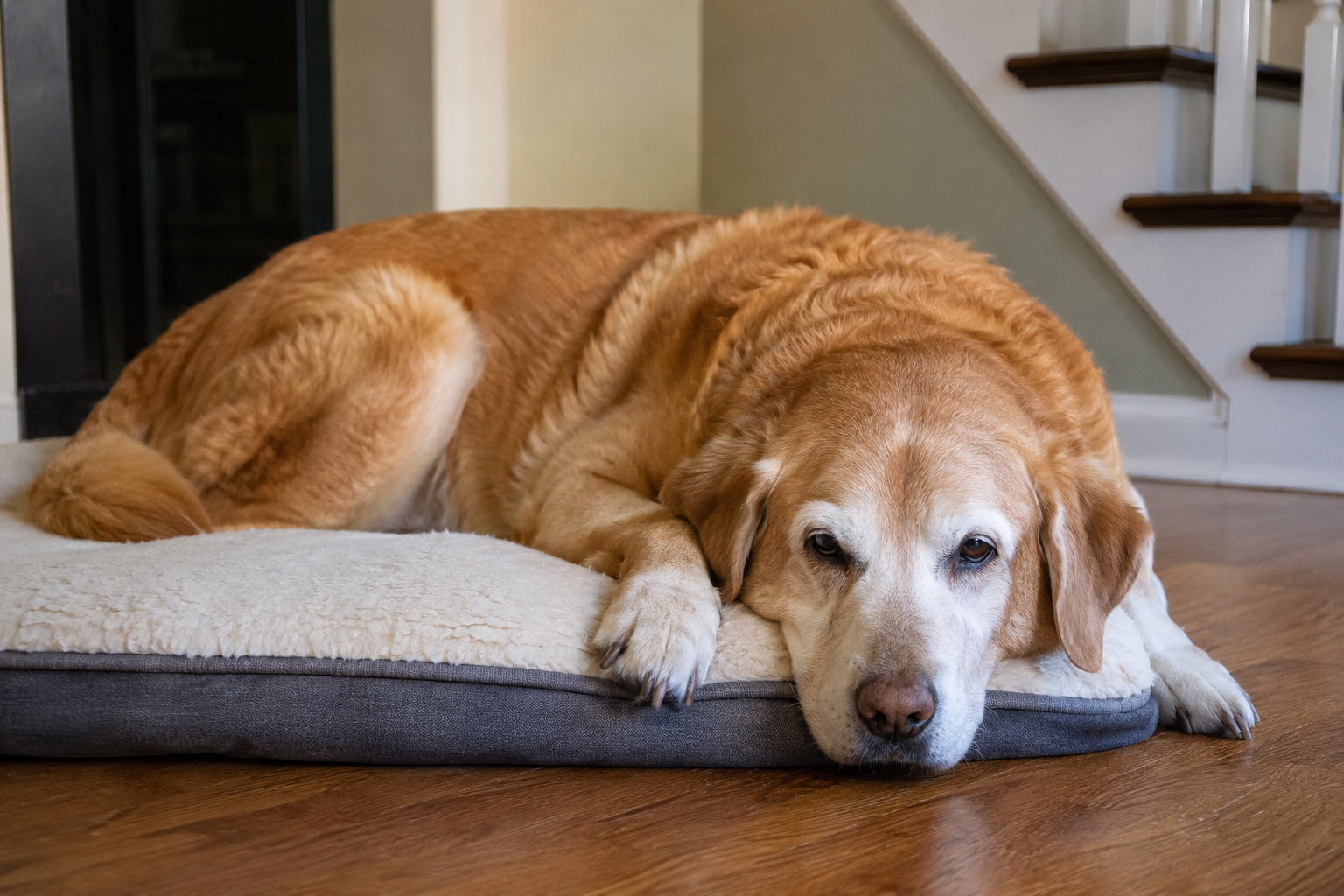
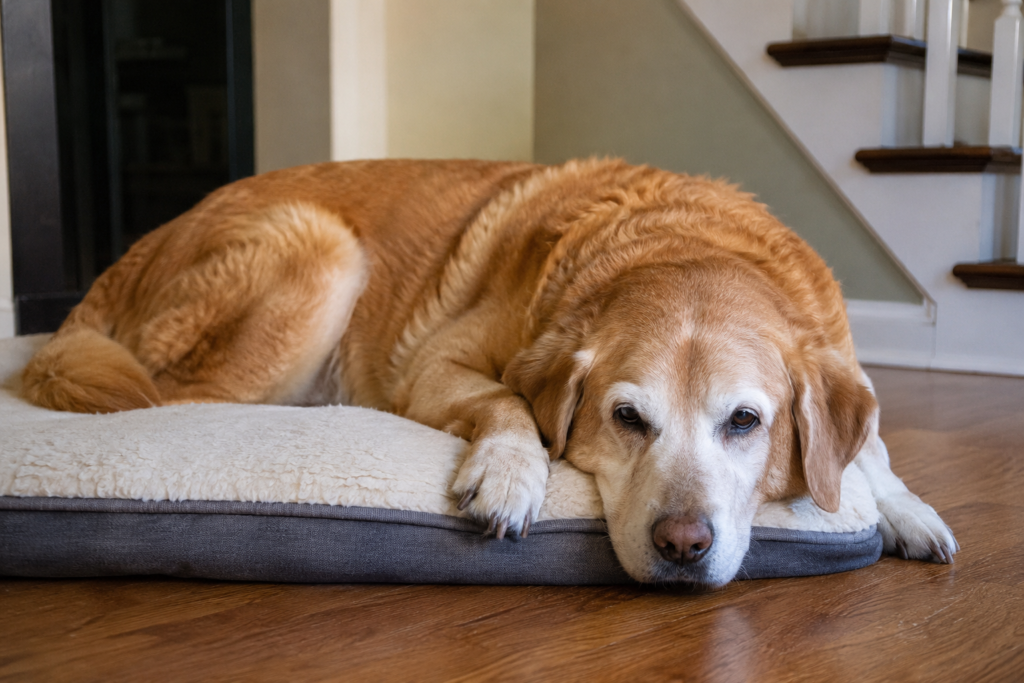
Provide a soft and comfortable bed in an easy to reach location. Avoid placing your pet’s bed in an area where they need to climb stairs frequently.
For cats, consider placing food, water, and litter boxes where they can easily reach them. A litter box with a lower entrance may be easier for a cat with stiff joints.
Dogs may benefit from rugs or mats on slippery floors. Hardwood, tile, and other smooth surfaces can make it difficult for an older dog to walk safely.
Pet ramps can also help dogs and cats reach furniture or other areas without jumping.
Veterinary Care for Joint Problems
If you notice signs of joint pain, it is important to schedule a veterinary examination. Joint problems can have different causes, and your veterinarian can help identify the specific issue.
During an examination, the veterinarian may check your pet’s movement, joints, muscles, and overall health. In some cases, X rays or other tests may be recommended.
Treatment depends on the cause and severity of the problem. It may include weight management, exercise changes, physical therapy, prescription pain relief, or other treatments.
Never give your pet human pain medication unless a veterinarian specifically tells you to do so. Some medicines that are safe for people can be dangerous or even life threatening to dogs and cats.
Joint Supplements for Older Pets
Some pet owners use joint supplements to support joint health. Products may contain ingredients such as glucosamine, chondroitin, or omega 3 fatty acids.
However, supplements are not suitable for every pet, and product quality can vary. A supplement should not replace proper veterinary care.
Before giving your older pet any supplement, speak with your veterinarian. They can help you decide whether a supplement is appropriate and which type may be safest for your pet.
Can Joint Problems Be Prevented?
Not every joint problem can be prevented, especially when genetics or previous injuries are involved. However, healthy habits throughout your pet’s life can support better joint health.
Keeping your pet at a healthy weight is very important. Regular but appropriate exercise can also help maintain strong muscles. Feeding a balanced diet and taking your pet for regular veterinary checkups can help identify problems before they become serious.
It is also helpful to avoid excessive jumping or intense exercise in pets that already have joint problems.
Helping Your Older Pet Stay Happy
Joint problems can change the way an older pet moves, but they do not have to stop your pet from enjoying life. With the right care, many senior pets can remain comfortable and active for years.
Pay attention to small changes in behavior. If your pet starts moving more slowly, avoids stairs, stops jumping, or seems uncomfortable after sleeping, do not simply assume that these changes are a normal part of aging.
Pain is not something your pet should have to live with without help. Early veterinary care can make a major difference.
Your older pet may need a little more support than before, but simple changes can help them feel more comfortable. A healthy weight, gentle exercise, a comfortable home, proper veterinary care, and suitable treatment can all support better joint health.
Final Thoughts
Common joint problems in older pets include arthritis, hip problems, knee problems, and elbow problems. These conditions can cause pain, stiffness, and reduced movement, but there are many ways to manage them.
The most important thing is to notice changes early. Watch how your pet walks, sleeps, plays, eats, and moves around the home. If something seems different, talk to your veterinarian.
Older pets deserve comfort, care, and patience. With proper attention and a healthy daily routine, you can help your senior dog or cat stay active, comfortable, and happy throughout their later years.