Pet poisoning is a serious problem that can happen when a dog or cat eats, licks, or comes into contact with something harmful. Many pet owners think their homes are completely safe for their animals, but common household products can sometimes be dangerous. Pets are naturally curious, and they often explore the world with their mouths. This can put them at risk of accidental poisoning.
Knowing the common causes of pet poisoning can help you protect your dog or cat. It is also important to understand the signs of poisoning and know what to do if you think your pet has eaten something toxic. Quick action can make a big difference in an emergency.
What Is Pet Poisoning?
Pet poisoning happens when an animal is exposed to a substance that is harmful to its body. A pet may swallow a poisonous substance, breathe it in, or get it on its skin or fur. Some toxins can cause mild stomach problems, while others can damage the liver, kidneys, heart, or nervous system.
Dogs and cats can react differently to the same substance. The amount they consume, their size, age, and overall health can also affect how serious the poisoning becomes.
Some cases of pet poisoning happen because an owner does not realize that a normal household item can be dangerous. This is why learning about common household dangers is an important part of responsible pet care.
Human Medicines Can Be Dangerous
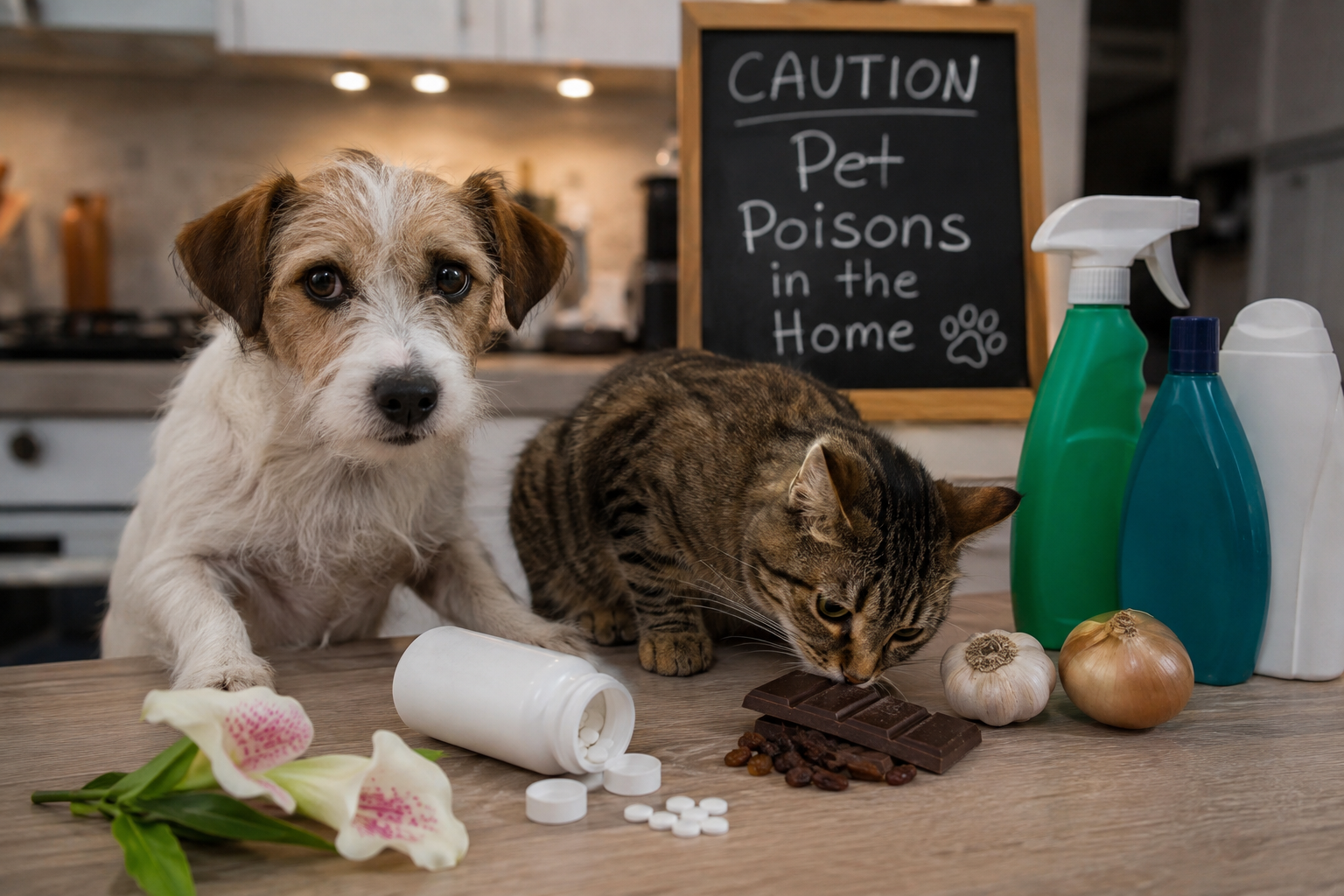
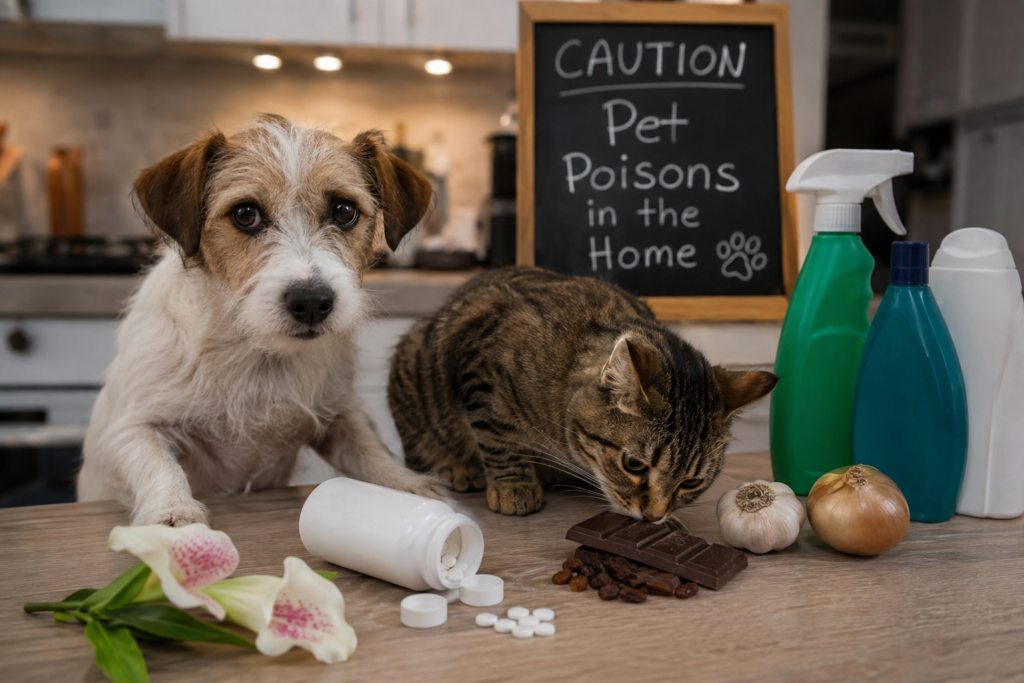
One of the most common causes of pet poisoning is human medication. Medicines that are safe for people can be extremely dangerous for dogs and cats. Pain medicines, cold medicines, antidepressants, and other prescription or over the counter drugs may cause serious health problems.
Pets may find pills on a table, floor, bedside table, or inside a bag. Some animals may even chew through medicine bottles.
Never give your pet human medicine unless a veterinarian specifically tells you to do so. Even a small amount of certain medicines can be harmful.
If your pet has swallowed medication, contact a veterinarian as soon as possible. Try to keep the medicine package because the veterinarian may need to know the name, strength, and amount that could have been eaten.
Cleaning Products
Many cleaning products contain chemicals that can be harmful to pets. Bleach, disinfectants, toilet cleaners, drain cleaners, detergents, and other household chemicals should always be stored away from animals.
Pets can be exposed to cleaning products by drinking from a bucket, licking a recently cleaned floor, or chewing on a bottle. Some chemicals can cause burns in the mouth and throat, while others may affect the stomach or breathing system.
Always follow the instructions on cleaning products and keep pets away from areas that have recently been treated with strong chemicals. Store all cleaning supplies in closed cabinets that your pet cannot reach.
Chocolate and Other Toxic Foods
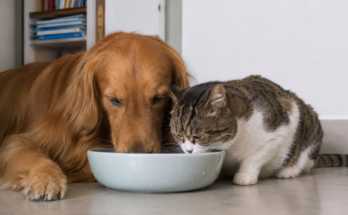
Chocolate is a well known food that can be poisonous to dogs and cats. Chocolate contains substances that pets cannot process properly. Dark chocolate and baking chocolate can be especially dangerous because they contain higher levels of toxic compounds.
Eating chocolate may cause vomiting, diarrhea, restlessness, increased heart rate, shaking, or seizures. Serious cases can become life threatening.
Other foods can also cause problems. Grapes and raisins can cause serious kidney problems in some dogs. Onions and garlic can damage red blood cells and may lead to anemia. Alcohol can be extremely dangerous for pets even in small amounts.
Do not assume that food is safe just because it is healthy for humans. Keep potentially dangerous foods away from pets and teach family members not to feed them table scraps without checking first.
Household Plants
Many popular houseplants and garden plants can be toxic to pets. Cats are especially known for chewing on plants, but dogs may also eat leaves or flowers.
Some plants can cause vomiting and stomach irritation, while others may cause serious heart, kidney, or nervous system problems.
Lilies are particularly dangerous for cats. Certain lilies can cause severe kidney damage even after a small amount of exposure. If you have cats, it is important to carefully check whether plants in your home are safe for them.
Before bringing a new plant into your home, research whether it is pet safe. If you are unsure about a plant your pet has eaten, contact a veterinarian quickly.
Insecticides and Pest Control Products
Products used to kill insects and pests can also cause pet poisoning. Insect sprays, ant killers, rat poison, mouse poison, and some flea products may be dangerous when used incorrectly.
Rat poison is especially concerning because pets may eat the product directly or eat a poisoned rodent. Different types of rat poison can affect the blood, brain, kidneys, or other organs.
Never use a pest control product around your pet unless you have checked that it is safe for animals. Follow the product instructions carefully and keep pets away from treated areas.
Antifreeze and Car Products
Car products are another serious household danger. Antifreeze is especially dangerous because it can have a sweet taste that attracts animals. Even a small amount can cause severe kidney damage and may be fatal.
Other automotive products, including some oils and chemicals, can also be harmful.
Keep these products in tightly closed containers and store them in a secure place. Clean up spills immediately and never allow pets to walk through or lick areas where chemicals have leaked.
Essential Oils and Fragrance Products
Essential oils are popular in many homes, but some can be harmful to pets. Cats can be particularly sensitive to certain essential oils because their bodies process some substances differently from humans.
Direct contact with concentrated oils or swallowing them can cause health problems. Strong fragrance products may also irritate the respiratory system of some animals.
If you use essential oils, diffusers, air fresheners, or scented products, make sure they are appropriate for your pets. Keep concentrated oils out of reach and talk to a veterinarian if you are unsure about a specific product.
Batteries and Small Household Items
Small objects can become dangerous when pets chew or swallow them. Batteries are especially concerning because they can cause chemical burns and other serious injuries.
Button batteries can be particularly dangerous because they may become stuck in the digestive system. Toys, coins, small magnets, and other objects can also cause choking or intestinal blockage.
Keep small household items away from pets, especially curious puppies and kittens. Check the floor regularly and keep bags, drawers, and containers closed.
Signs of Pet Poisoning
The signs of pet poisoning can vary depending on the substance and the amount involved. Some symptoms may appear quickly, while others may take several hours or even longer.
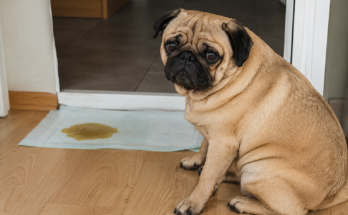
Common signs of poisoning include vomiting, diarrhea, excessive drooling, loss of appetite, weakness, shaking, confusion, unusual behavior, difficulty breathing, seizures, and collapse.
Some pets may also have pale gums, an increased heart rate, or problems walking. If your pet suddenly becomes sick and you think it may have eaten something dangerous, do not wait for symptoms to become severe.
What to Do If Your Pet Is Poisoned
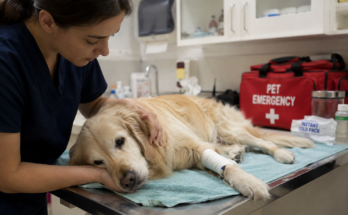
If you suspect pet poisoning, stay calm and contact a veterinarian immediately. Tell them what your pet may have eaten, how much may have been consumed, and approximately when it happened.
If possible, keep the product packaging, label, plant sample, or other information that can help identify the substance.
Do not make your pet vomit unless a veterinarian specifically tells you to do so. Making an animal vomit can sometimes cause more damage, especially if the substance is corrosive or could enter the lungs.
Do not give your pet milk, food, oil, or home remedies unless a veterinarian recommends it. Different poisons require different treatments, so professional advice is important.
If your pet is unconscious, having seizures, struggling to breathe, or collapsing, seek emergency veterinary care immediately.
How to Prevent Pet Poisoning
The best way to deal with pet poisoning is to prevent it from happening. Store medicines, cleaning products, chemicals, pesticides, and other dangerous items in closed cabinets.
Keep food that is toxic to pets away from kitchen counters and tables. Check plants before bringing them into your home. Keep trash cans securely closed because pets may search through garbage when they smell food.
It is also helpful to teach children about pet safety. Children may accidentally give pets foods, medicines, or other items that are dangerous. Everyone in the household should understand which things need to stay away from animals.
Regularly inspect your home for possible hazards. Remember that pets can reach places you may not expect. A curious cat can climb onto shelves, while a dog may chew through bags or containers.
Why Pet Owners Should Take Poisoning Seriously
Pet poisoning can become a medical emergency very quickly. Some toxins cause immediate symptoms, while others can damage internal organs before obvious signs appear.
This is why early veterinary advice is so important. Waiting to see whether your pet gets better can sometimes make treatment more difficult.
Every pet owner should have the contact information of a trusted veterinarian available. It is also useful to know where the nearest emergency veterinary clinic is located before an emergency happens.
Final Thoughts
Pet poisoning is a preventable problem, but accidents can still happen. Dogs and cats are naturally curious, and common household items can sometimes become dangerous when they are within reach.
Human medicines, cleaning products, toxic foods, plants, pesticides, antifreeze, essential oils, and batteries are some of the common household dangers that pet owners should know about.
The most important step is to keep harmful substances away from pets. If you believe your dog or cat has been exposed to a poisonous substance, contact a veterinarian immediately and follow their instructions.
A little preparation can protect your pet from a serious emergency. By making your home safer and learning the signs of pet poisoning, you can help your dog or cat live a healthier and safer life.