Dehydration in dogs and cats is a common health problem that pet owners should never ignore. Water is very important for every pet because it helps the body work properly. Dogs and cats need enough water to support digestion, control body temperature, protect their organs, and keep their blood circulation healthy. When a pet loses more water than it takes in, dehydration can happen.
Sometimes dehydration can be mild and easy to correct. However, severe dehydration can become dangerous and may require immediate veterinary care. Knowing the signs of dehydration in dogs and cats can help you notice a problem early and take the right action.
What Is Dehydration in Dogs and Cats?
Dehydration happens when a dog or cat does not have enough water in the body. Pets can lose water through urine, vomiting, diarrhea, heavy breathing, fever, or excessive activity. If they do not replace the lost water by drinking enough, their body can become dehydrated.
Dogs and cats may also become dehydrated when they are sick or when they simply do not feel like drinking. Cats can be especially difficult because some cats naturally drink very little water. This is one reason why pet owners should pay attention to changes in drinking habits.
Mild dehydration may cause tiredness and dry gums, while severe dehydration can affect the kidneys, heart, and other important organs.
Common Signs of Dehydration in Dogs and Cats
The signs of dehydration can be different from one pet to another. Some symptoms may appear slowly, while others can develop quickly. Here are some of the most common signs to watch for.
Dry or Sticky Gums
One of the easiest signs of dehydration to notice is a change in the gums. A healthy dog or cat usually has moist gums. When a pet is dehydrated, the gums may become dry, sticky, or less moist than normal.
You can gently lift your pet’s lip and look at the gums. If they feel unusually dry or sticky, your pet may not be getting enough water.
Dry gums can also happen because of other health problems, so this sign should be considered along with other symptoms.
Loss of Skin Elasticity
Another common sign of dehydration is reduced skin elasticity. Healthy skin usually returns to its normal position quickly after being gently lifted. When a pet is dehydrated, the skin may take longer to return.
You can carefully lift a small amount of skin over your pet’s shoulders and then release it. If the skin quickly goes back into place, that is generally a good sign. If it stays lifted for a moment or returns slowly, dehydration may be present.
This test is not always reliable, especially in older pets or pets with certain health conditions. It is better to use it together with other signs rather than depending on it alone.
Less Energy Than Normal
A dehydrated dog or cat may become tired, weak, or less interested in normal activities. Your pet may spend more time sleeping and may not want to play, walk, or interact with you.
If your normally active dog suddenly seems weak or your cat is hiding and sleeping much more than usual, dehydration could be one possible reason.
Low energy can also be caused by many other illnesses, so a sudden change in behavior should not be ignored.
Loss of Appetite
Dehydration can affect your pet’s appetite. A dog or cat that is not feeling well may refuse food or eat much less than usual.
If your pet stops eating and is also drinking less water, you should pay close attention. Not eating and not drinking can make dehydration worse, especially when the pet is already losing fluids because of vomiting or diarrhea.
Sunken Eyes
In more serious cases of dehydration, a pet’s eyes may appear sunken or less bright than usual. This happens when the body loses a significant amount of fluid.
Sunken eyes should be taken seriously, especially if they appear together with weakness, dry gums, vomiting, diarrhea, or other unusual symptoms.
If you notice this sign, contacting a veterinarian is important.
Thick or Dark Urine
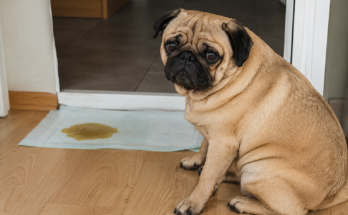
Changes in urine can also provide clues about your pet’s hydration. When a dog or cat is not getting enough water, the urine may become darker and more concentrated.
You may also notice that your pet urinates less often than normal. However, changes in urination can have many causes, including kidney problems and urinary conditions.
If your pet is drinking less and producing very little urine, veterinary advice is recommended.
Excessive Panting in Dogs
Dogs normally pant to cool themselves, especially after exercise or during hot weather. However, excessive panting can sometimes be a sign that your dog is struggling with heat or dehydration.
A dehydrated dog may pant heavily even after resting. If your dog has been outside in hot weather, make sure fresh water and a cool place are available.
Heavy panting combined with weakness, vomiting, confusion, or collapse can be an emergency.
Dry Nose
Many people believe that a dry nose always means a dog is dehydrated. This is not necessarily true. A dog’s nose can become dry for many normal reasons, such as sleeping, weather conditions, or being in a warm room.
For this reason, you should not use a dry nose alone to diagnose dehydration. Look for other signs such as dry gums, low energy, poor appetite, and changes in urination.
What Causes Dehydration in Dogs and Cats?
There are several reasons why pets can become dehydrated. One common cause is not drinking enough water. This can happen if the water bowl is empty, dirty, difficult to reach, or placed somewhere the pet does not like.
Vomiting and diarrhea are also major causes of fluid loss. A pet with repeated vomiting or diarrhea can lose a large amount of water in a short time.
Hot weather can increase the risk as well. Dogs that spend too much time outside in high temperatures can lose fluids through panting. Cats can also become dehydrated during hot weather, especially if they have limited access to fresh water.
Fever, certain illnesses, kidney problems, diabetes, and other medical conditions can also increase the risk of dehydration.
Why Cats Can Be at Risk of Dehydration
Cats can be particularly difficult when it comes to drinking water. Many cats have a low natural thirst drive and may not drink enough from a water bowl.
Cats that mainly eat dry food may need to get more of their daily water from drinking. Cats that eat wet food usually receive additional moisture from their meals.
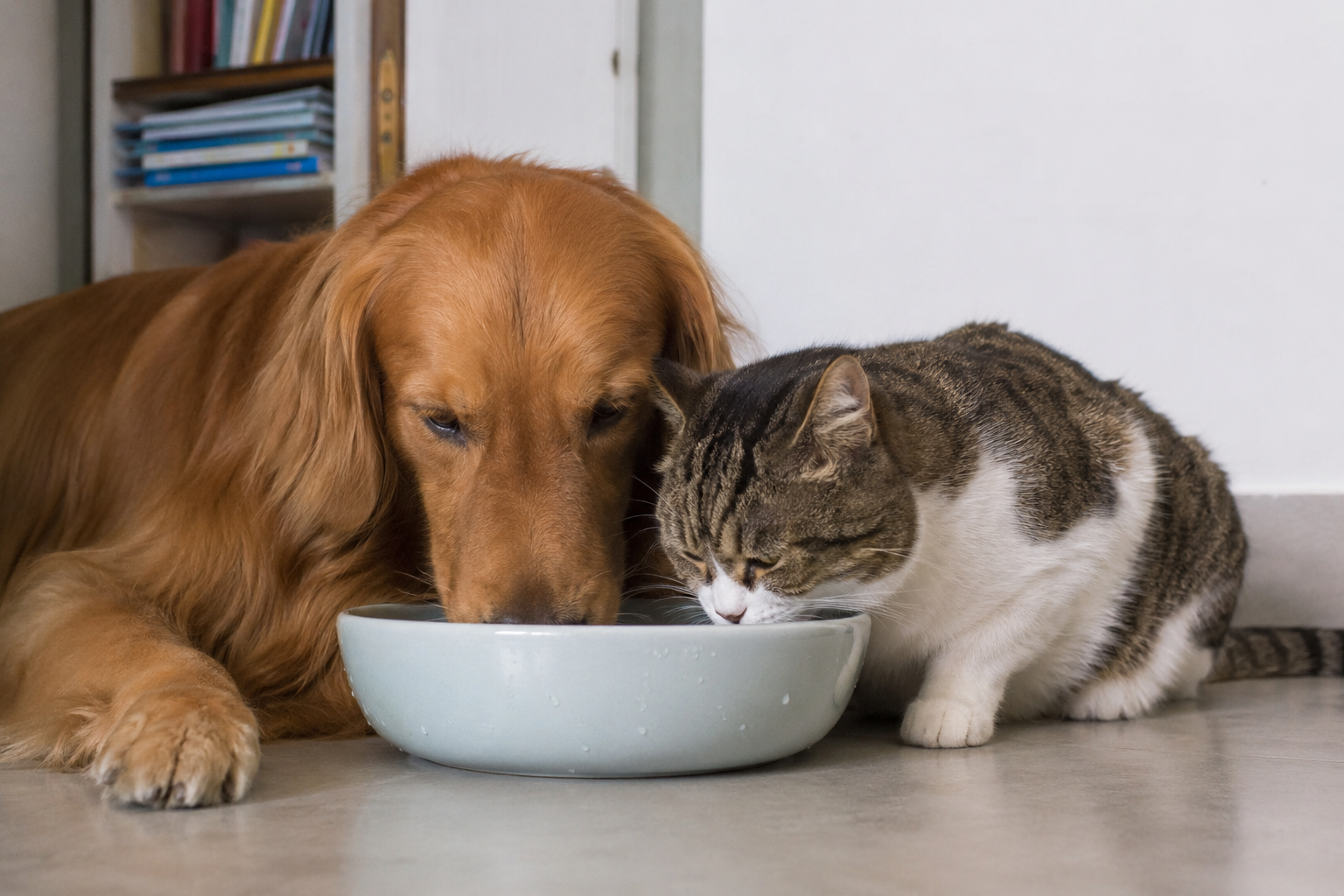
You can encourage your cat to drink by providing fresh water every day. Some cats prefer running water, so a pet water fountain may help. You can also place several water bowls around the home.
Keeping water away from dirty litter boxes and noisy areas may also encourage your cat to drink more.
How to Prevent Dehydration in Dogs and Cats
Preventing dehydration is easier than dealing with severe dehydration. Always make sure your pet has access to clean and fresh water.
Wash water bowls regularly and refill them when necessary. During hot weather, provide extra water and make sure your pet has a cool and shaded place to rest.
After exercise or outdoor activity, give your dog time to drink and cool down. Avoid intense exercise during the hottest part of the day.
For cats, consider adding wet food to their diet if it is suitable for them. You can also provide multiple water bowls or a pet fountain.
Regular veterinary checkups are also important because some diseases can increase the risk of dehydration.
What to Do If Your Pet Is Dehydrated
If you think your dog or cat is mildly dehydrated, make sure fresh water is available and encourage gentle drinking. Do not force a large amount of water into your pet’s mouth because this can cause problems.
If your pet has vomiting or diarrhea, offering water alone may not solve the underlying problem. Your pet may need treatment for the condition causing fluid loss.
Never give your pet human sports drinks or other products without speaking with a veterinarian first. Some products may contain ingredients that are not appropriate for animals.
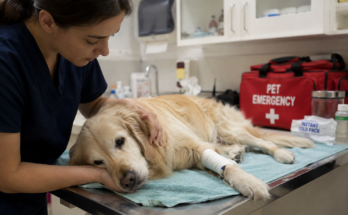
If your pet refuses water, seems very weak, has repeated vomiting or diarrhea, has sunken eyes, collapses, or shows signs of serious illness, contact a veterinarian as soon as possible.
When Is Dehydration an Emergency?
Severe dehydration can become life threatening. A pet that is extremely weak, confused, unable to stand, repeatedly vomiting, having severe diarrhea, or showing signs of collapse needs urgent veterinary attention.
Heat related dehydration is especially serious. If a dog or cat has been exposed to extreme heat and is showing heavy panting, weakness, vomiting, confusion, or collapse, do not wait for the condition to improve on its own.
Quick veterinary treatment can help restore fluids and address the cause of dehydration.
Final Thoughts
Knowing the signs of dehydration in dogs and cats can help pet owners protect their animals from serious health problems. Dry or sticky gums, low energy, loss of appetite, reduced urination, changes in skin elasticity, and sunken eyes can all be warning signs.
The best way to prevent dehydration is to provide clean drinking water every day and pay attention to changes in your pet’s normal behavior. Dogs and cats can become dehydrated because of hot weather, vomiting, diarrhea, illness, or simply not drinking enough water.
If you notice several signs of dehydration or your pet appears seriously unwell, it is safest to contact a veterinarian. Early attention can make a big difference and help your pet recover more quickly.
Your pet depends on you for basic needs like food, water, shelter, and care. By watching daily habits and noticing small changes, you can help keep your dog or cat comfortable, healthy, and properly hydrated.