Diarrhea is a common problem that many pet owners notice at some point. Dogs and cats can develop diarrhea for many different reasons. Sometimes it happens after eating something unusual, while other times it can be a sign of an infection or another health problem. Seeing your pet have loose or watery stools can be worrying, especially when you are not sure what to do.
The good news is that mild diarrhea may improve on its own when your pet gets proper care and enough rest. However, diarrhea should not always be ignored. If it continues for too long, becomes severe, or happens along with other symptoms, your pet may need veterinary care. In this article, we will discuss the common causes of diarrhea in pets, what you can do at home, what foods may help, and when you should contact a veterinarian.
What Causes Diarrhea in Pets?
There are many possible causes of diarrhea in dogs and cats. One of the most common reasons is eating something that does not agree with their stomach. Pets can be curious and may eat table scraps, spoiled food, garbage, plants, or other things they find around the house.
A sudden change in pet food can also cause digestive problems. If you switch your pet to a new food too quickly, their digestive system may not have enough time to adjust. This can lead to soft stools, gas, vomiting, or diarrhea.
Stress is another possible cause. Moving to a new home, traveling, meeting new animals, visiting a boarding facility, or experiencing changes in daily routine can affect some pets.
Parasites such as worms and certain infections can also cause diarrhea. In some cases, diarrhea may be related to food allergies, digestive diseases, medication, or more serious health conditions. This is why it is important to pay attention to other changes in your pet.
Check Your Pet’s Condition
When your pet has diarrhea, the first thing to do is look at their overall condition. A single episode of loose stool in an otherwise happy and active adult pet may not be an emergency.
Watch how your pet behaves. Is your dog still interested in food? Is your cat drinking water? Is your pet active and alert? Or are they weak, tired, hiding, or refusing food?
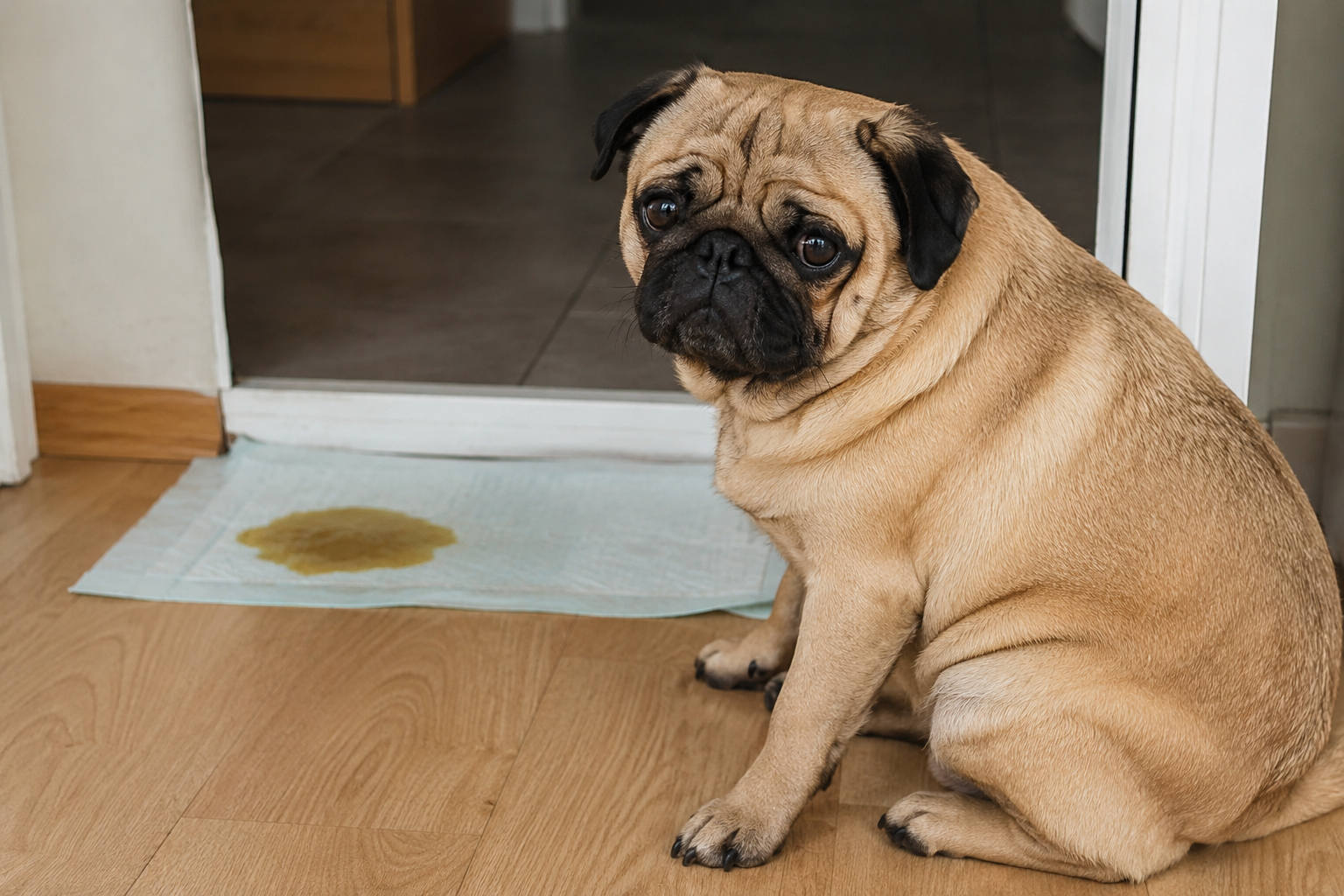
Also look at the stool if possible. Notice its color, consistency, and whether there is mucus or blood. This information can be useful if you need to speak with a veterinarian.
If diarrhea happens once and your pet otherwise seems normal, you can usually monitor them closely. If it happens repeatedly or your pet looks sick, it is better to seek professional advice.
Keep Your Pet Hydrated
One of the biggest concerns with diarrhea is dehydration. Loose stools can cause your pet to lose a significant amount of water and important electrolytes. Small pets, puppies, kittens, and older animals can become dehydrated more quickly.
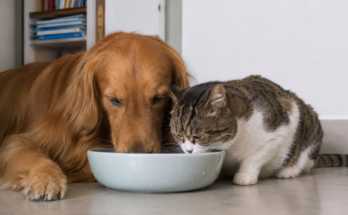
Make sure your pet has access to fresh, clean water. Encourage them to drink, but do not force large amounts of water into their mouth.
If your pet is drinking normally and keeping water down, continue to provide fresh water throughout the day. You can also ask your veterinarian about appropriate electrolyte solutions for pets if dehydration is a concern.
Signs of dehydration can include dry or sticky gums, weakness, sunken eyes, and reduced energy. If you notice these signs, contact a veterinarian as soon as possible.
Give Your Pet a Simple Diet
Food can play an important role in helping your pet’s digestive system settle. For mild diarrhea, some veterinarians may recommend a temporary bland diet depending on the pet’s age, health, and individual situation.
A bland diet is usually easy to digest and contains simple ingredients. For dogs, a veterinarian may recommend foods such as plain cooked chicken with white rice for a short period. However, this should not replace a complete and balanced pet diet for an extended time.
Cats have different nutritional needs and should not be placed on homemade diets without veterinary guidance. Cats can also become seriously ill if they stop eating for too long.
Feed small portions rather than giving a large meal. Smaller meals can be easier for an irritated digestive system to handle.
If your pet has an existing medical condition, is very young, is elderly, or takes medication, speak with your veterinarian before making major changes to their diet.
Avoid Giving Human Medicine
One common mistake pet owners make is giving human medicine when their pet has diarrhea. This can be dangerous.
Some human medications can be harmful to dogs and cats, even in small amounts. Products designed to stop diarrhea may also hide symptoms of a more serious condition.
Never give your pet medication unless a veterinarian has specifically told you to use it and has provided instructions about the correct amount.
Your veterinarian can determine whether medication is appropriate based on your pet’s age, weight, symptoms, and possible cause of diarrhea.
Watch for Other Symptoms
Diarrhea becomes more concerning when it appears with other symptoms. Pay attention to vomiting, loss of appetite, weakness, fever, abdominal pain, or unusual behavior.
Blood in the stool is another important warning sign. Black or tarry stool can also indicate bleeding in the digestive system.
If your pet is repeatedly vomiting and having diarrhea, dehydration can develop quickly. A pet that cannot keep water down needs prompt veterinary attention.
You should also take diarrhea seriously if your pet seems painful, extremely tired, confused, or unable to stand normally.
When to Call a Veterinarian
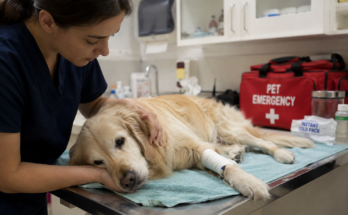
Not every case of diarrhea requires an emergency visit, but some situations need professional care.
Contact your veterinarian if diarrhea continues, becomes frequent, or keeps coming back. You should also contact a veterinarian if your pet refuses food or water, has repeated vomiting, shows signs of dehydration, or seems weak or painful.
Puppies and kittens need extra attention because they can become dehydrated quickly. Older pets and pets with existing health problems may also need earlier veterinary evaluation.
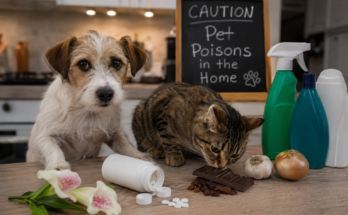
If you think your pet ate a poisonous substance, medication, chemical, foreign object, or another dangerous item, do not wait for diarrhea to become severe. Contact a veterinarian immediately.
Be Careful With Puppies and Kittens
Diarrhea in young pets should always be taken seriously. Puppies and kittens have smaller bodies and can lose fluids quickly.
Parasites and infections are common concerns in young animals. Some serious diseases can begin with diarrhea and may become dangerous without treatment.
If a puppy or kitten has repeated diarrhea, vomiting, refuses food, becomes weak, or acts unusually tired, contact a veterinarian promptly.
Do not assume that diarrhea in a young pet is simply caused by something they ate. Early veterinary care can make a major difference.
Keep the Environment Clean
When your pet has diarrhea, keeping their living area clean is very important. Clean accidents quickly and wash your hands after handling stool.
Some infections and parasites can spread between animals. If you have more than one pet, keep a close eye on the others and clean shared areas regularly.
Wash food and water bowls frequently. Clean bedding if it becomes dirty, and keep your pet away from garbage and spoiled food.
Good hygiene can help reduce the risk of repeated digestive problems and protect other pets in the household.
Think About What Your Pet Ate
Try to remember what your pet ate during the previous day or two. Did you introduce a new food? Did your pet get extra treats? Did they eat table scraps? Could they have reached a garbage bin?
This information can help you understand what may have caused the problem.
If your pet repeatedly develops diarrhea after eating a particular food, talk to your veterinarian. Food intolerance or another digestive issue may be involved.
Keeping a simple record of your pet’s meals, treats, stool changes, and other symptoms can also be helpful when discussing the problem with a veterinarian.
Preventing Diarrhea in the Future
You cannot prevent every case of diarrhea, but there are several ways to reduce the risk. Give your pet a consistent, balanced diet that is appropriate for their age and health.
When changing pet food, make the change gradually rather than switching suddenly. Avoid giving your pet large amounts of human food, fatty foods, spoiled food, or foods that are unsafe for animals.
Keep garbage bins closed and store medications and household chemicals where pets cannot reach them.
Regular veterinary checkups, parasite prevention, vaccinations when appropriate, and good hygiene can also help protect your pet’s digestive health.
Can Probiotics Help Pets With Diarrhea?
Some veterinarians may recommend pet specific probiotics to support healthy digestion. Probiotics contain beneficial bacteria that can help maintain a healthy balance in the digestive system.
However, not every probiotic product is suitable for every pet. Human supplements may contain ingredients that are not appropriate for animals.
Before giving your pet a probiotic supplement, ask your veterinarian which product and amount are suitable.
Final Thoughts
Diarrhea is one of the most common digestive problems in pets, and mild cases may improve with careful monitoring, proper hydration, and a simple diet. The most important thing is to watch your pet’s overall condition and notice any changes.
Do not give human medicine without veterinary advice, and take repeated or severe diarrhea seriously. Blood in the stool, vomiting, dehydration, weakness, pain, loss of appetite, or unusual behavior are reasons to contact a veterinarian.
Young pets, older pets, and animals with existing health problems may need veterinary attention sooner. When you are unsure about your pet’s condition, it is always safer to ask a professional.
By paying attention to your pet’s food, water intake, behavior, and bathroom habits, you can notice digestive problems early. Good nutrition, regular veterinary care, proper hygiene, and a safe home environment can also help keep your pet’s digestive system healthy.